
Most people clean their homes regularly, yet many hidden areas remain untouched for months. While visible surfaces may look clean, dirt, dust, and bacteria often settle in places that are easy to overlook. These hidden areas can quietly impact indoor hygiene, air quality, and overall comfort without obvious signs.
Understanding where these overlooked spots are helps homeowners adopt a more complete and effective cleaning routine.
Behind and Under Large Appliances
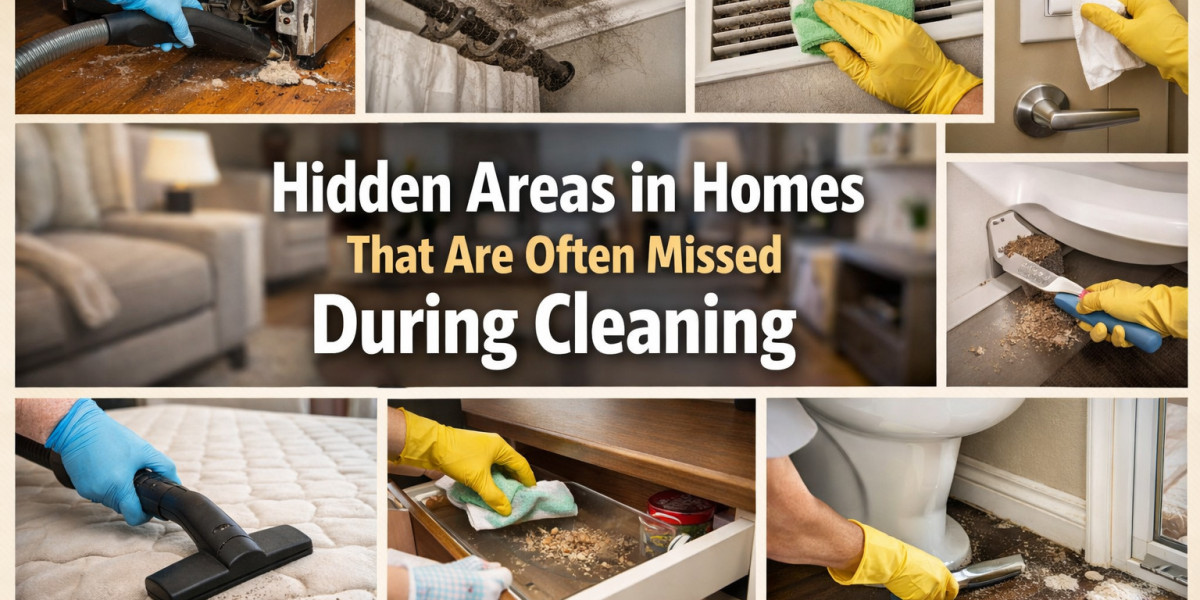
Appliances such as refrigerators, ovens, dishwashers, and washing machines are rarely moved during routine cleaning. Over time, dust, grease, moisture, and food particles build up behind and underneath them.
These hidden spaces can attract pests and contribute to unpleasant odors. Cleaning behind appliances periodically improves hygiene and prevents long-term buildup that becomes harder to remove.
Skirting Boards and Baseboards
Skirting boards frame every room, yet they are commonly ignored. Dust, pet hair, and scuff marks collect along their edges, especially in high-traffic areas.
Even when floors are spotless, dirty baseboards can make a room feel unfinished. Regular dusting and wiping help maintain a polished and hygienic appearance.
Light Switches, Door Handles, and Control Panels
High-touch surfaces are among the most overlooked areas in home cleaning. Light switches, door handles, appliance buttons, and remote controls are touched multiple times a day.
Because of frequent contact, these areas can harbor germs and bacteria. Cleaning them regularly supports better hygiene and reduces the spread of contaminants within the home.
Air Vents and Ventilation Covers
Air vents, extractor fans, and ventilation covers play an important role in indoor air circulation. However, they easily trap dust, grease, and airborne particles.
When these areas are not cleaned, dust can circulate throughout the home, affecting indoor air quality. Keeping vents clean helps reduce allergens and improves airflow.
Mattresses and Bed Frames
While bedding is washed often, mattresses and bed frames are frequently forgotten. Dust mites, dead skin cells, and allergens accumulate inside mattresses over time.
Cleaning mattress surfaces and bed frames contributes to better sleep hygiene and helps reduce allergy symptoms, especially in bedrooms.
Curtains, Blinds, and Window Tracks
Soft furnishings such as curtains and blinds collect dust, pollen, and odors. Window tracks also trap dirt, moisture, and debris that are rarely noticed.
Ignoring these areas can affect air quality and make rooms feel less fresh. Periodic cleaning keeps windows and coverings hygienic and well-maintained.
Behind Toilets and Bathroom Fixtures
Bathrooms are cleaned regularly, but hidden areas behind toilets, under sinks, and around plumbing fixtures are often missed. Moist conditions make these spots ideal for bacteria and mold growth.
Paying attention to these areas helps prevent unpleasant smells and supports a healthier bathroom environment.
Inside Cabinets and Drawers
Kitchen and bathroom cabinets may look clean on the outside, but crumbs, spills, and dust can collect inside drawers and shelves.
Cleaning cabinet interiors improves hygiene, supports food safety, and keeps storage areas organized and sanitary.
Ceiling Corners and High Surfaces
Ceiling corners, high shelves, and the tops of wardrobes are easy to forget because they’re out of reach. These areas quietly gather dust and cobwebs.
Over time, this dust can fall into living spaces. Occasional cleaning of high surfaces reduces airborne dust and keeps rooms cleaner overall.
Why Cleaning Hidden Areas Matters
Hidden dirt does not stay hidden forever. Dust, allergens, and bacteria spread through air movement and daily activity. Neglecting these areas can lead to:
Reduced indoor air quality
Increased allergens
Lingering odors
Incomplete home hygiene
A thorough cleaning approach addresses both visible and hidden areas for long-term cleanliness.
Final Thoughts
A clean home is not just about what you can see. Hidden areas play a crucial role in maintaining hygiene, comfort, and air quality. By including overlooked spaces in regular cleaning routines, homeowners can achieve a healthier and more balanced living environment.
Consistent attention to these areas prevents buildup and supports better overall cleanliness throughout the home.
❓ Frequently Asked Questions (FAQs)
What are the most commonly missed areas during home cleaning?
Behind appliances, air vents, skirting boards, mattresses, light switches, and inside cabinets are among the most overlooked areas.
How often should hidden areas be cleaned?
Most hidden areas should be cleaned every two to three months, while high-touch surfaces should be cleaned weekly.
Do hidden cleaning areas affect indoor air quality?
Yes. Dust and allergens from vents, curtains, and mattresses can circulate in the air and impact indoor air quality.
Why is cleaning behind appliances important?
These areas collect grease, moisture, and debris that can attract pests and cause hygiene issues if ignored.
Is deep cleaning necessary for hidden spaces?
Occasional deep cleaning helps remove built-up dirt and prevents long-term hygiene problems that surface cleaning cannot address.