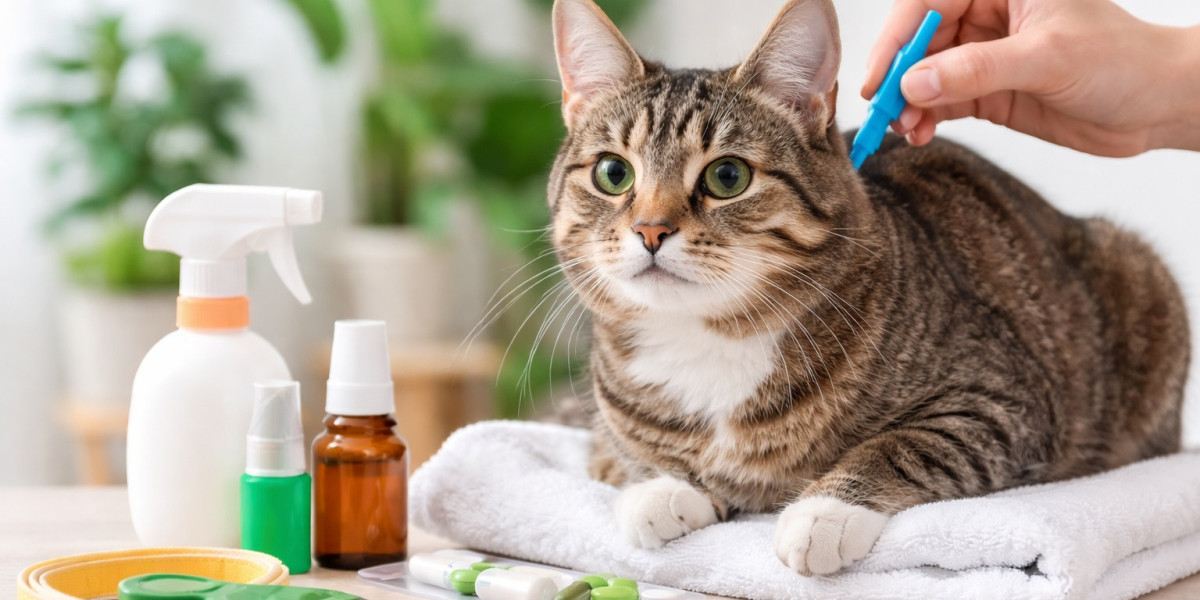

Fleas are one of the most common and frustrating parasites affecting cats. These tiny pests can turn a happy, relaxed cat into an itchy, uncomfortable pet within days. In many cases, fleas spread quickly through the home, affecting carpets, furniture, and even other pets.
For cat owners in the United States, understanding cat flea treatment options is essential to protecting both pets and the household. From topical medications to natural solutions and preventive care, there are several effective ways to eliminate fleas and stop future infestations.
This guide explains how fleas affect cats, how to treat them safely, and what to avoid—especially the dangerous mistake many pet owners make: asking, "Can you use dog flea treatment on cats?"
Understanding Fleas and Why They Affect Cats
Fleas are tiny parasites that survive by feeding on animal blood. The most common species that affects cats is the Ctenocephalides felis, commonly called the cat flea.
Even indoor cats are not completely safe from fleas. Fleas can enter homes through:
Other pets
Shoes or clothing
Visitors
Yard infestations
Wildlife like squirrels or raccoons
Once fleas enter a home, they reproduce extremely fast. A single flea can lay 50 eggs per day, which quickly fall into carpets, bedding, and furniture.
Within a few weeks, a minor flea problem can become a serious infestation.
Signs Your Cat May Have Fleas
Detecting fleas early helps prevent larger infestations and keeps your cat comfortable.
Common symptoms include:
Excessive scratching
Frequent biting or licking of skin
Hair loss
Red or irritated skin
Small black specks (flea dirt)
Restlessness or agitation
Some cats develop flea allergy dermatitis, which causes intense itching from even a single flea bite.
If you notice these signs, immediate cat flea treatment is important.
Why Immediate Cat Flea Treatment Is Important
Fleas are not just irritating—they can cause real health problems for cats.
1. Skin Infections
Continuous scratching can damage skin and lead to bacterial infections.
2. Flea Allergy Dermatitis
Some cats are allergic to flea saliva, which causes severe itching and inflammation.
3. Tapeworms
Cats can swallow fleas while grooming, which may lead to tapeworm infections.
4. Anemia
Severe flea infestations can cause blood loss, especially dangerous for kittens.
Early cat flea treatment protects your cat’s health and prevents household infestations.
Best Flea Treatment Options for Cats
Choosing the best flea treatment for cats depends on your cat’s age, lifestyle, and health. Here are the most common treatment options used by veterinarians across the USA.
1. Topical Flea Treatments
Topical treatments are applied to the skin, usually between the shoulder blades.
Common benefits:
Kills fleas quickly
Prevents new infestations
Usually lasts 30 days
Popular ingredients include:
Fipronil
Imidacloprid
Selamectin
These treatments are widely considered one of the best flea treatment for cats options for long-term protection.
2. Oral Flea Medications
Oral medications come in pill form and work by killing fleas when they bite the cat.
Advantages include:
Fast flea elimination
No greasy residue
Easy monthly protection
However, some cats may resist pills, so consult a veterinarian before choosing oral medication.
3. Flea Collars
Modern flea collars are much more effective than older versions.
Benefits include:
Long-lasting protection (up to 8 months)
Convenient and low maintenance
Continuous flea prevention
High-quality collars release small amounts of medication that spread across the cat’s skin.
4. Flea Shampoos
Flea shampoos provide immediate relief by killing fleas during bathing.
However:
Effects are temporary
They do not prevent future infestations
Shampoos work best when combined with other cat flea treatment options.
5. Flea Combs
A flea comb is a simple tool that removes fleas and flea dirt.
Benefits include:
Safe for kittens
Chemical-free
Useful for monitoring flea activity
Although combs alone cannot eliminate infestations, they help support other treatments.
Can You Use Dog Flea Treatment on Cats?
One of the most important safety questions pet owners ask is:
Can you use dog flea treatment on cats?
The answer is NO — never use dog flea treatment on cats.
Many dog flea products contain permethrin, an ingredient that is extremely toxic to cats.
Exposure can cause:
Tremors
Seizures
Muscle spasms
Drooling
In severe cases, death
Cats lack the enzymes needed to process permethrin safely.
Even small amounts of dog flea treatment can be dangerous.
Always purchase flea medications specifically labeled for cats.
If accidental exposure occurs, contact a veterinarian immediately.
Treating Your Home for Fleas
Effective cat flea treatment must include the home environment.
Fleas spend most of their life cycle off the pet, hiding in carpets, furniture, and bedding.
Home Treatment Checklist
To eliminate fleas from the environment:
Vacuum carpets daily
Wash pet bedding in hot water
Clean furniture and rugs
Use flea sprays designed for indoor use
Empty vacuum bags immediately
Vacuuming is particularly effective because it removes flea eggs and larvae before they hatch.
Outdoor Flea Prevention
For homes with yards, outdoor flea control is also important.
Fleas thrive in:
Moist soil
Shaded areas
Tall grass
Leaf piles
To reduce outdoor flea populations:
Keep lawns trimmed
Remove yard debris
Avoid wildlife attraction
Consider pet-safe outdoor flea treatments
Preventing fleas outside reduces reinfestation indoors.
Natural Flea Control Options
Some cat owners prefer natural or chemical-free flea control methods.
While natural methods may help reduce flea populations, they usually work best alongside veterinarian-approved treatments.
Common natural approaches include:
1. Diatomaceous Earth
A natural powder that dehydrates fleas.
Use only food-grade versions and avoid inhalation.
2. Apple Cider Vinegar Sprays
Some owners use diluted vinegar sprays to discourage fleas.
3. Regular Grooming
Frequent brushing helps detect fleas early.
However, natural remedies rarely replace the effectiveness of the best flea treatment for cats available through veterinarians.
Flea Treatment for Indoor Cats
Many pet owners believe indoor cats cannot get fleas.
In reality, fleas can enter homes through:
Clothing
Shoes
Other pets
Visitors
Apartment hallways
For this reason, veterinarians often recommend year-round cat flea treatment, even for indoor cats.
Monthly prevention is easier than dealing with a full infestation later.
Flea Prevention Tips for Cat Owners
Preventing fleas is much easier than eliminating them.
Follow these tips to keep your cat flea-free:
Maintain Monthly Prevention
Use veterinarian-approved flea preventatives regularly.
Groom Your Cat Often
Brushing helps detect fleas early.
Keep Living Spaces Clean
Vacuum frequently and wash bedding weekly.
Check Other Pets
Dogs and cats should all receive flea prevention.
Monitor Outdoor Exposure
Cats that go outdoors need stronger prevention plans.
A proactive routine ensures that cat flea treatment works effectively and consistently.
How Long Does Flea Treatment Take to Work?
Most modern flea medications begin killing fleas within 12 to 24 hours.
However, complete elimination may take several weeks because:
Eggs hatch gradually
Larvae mature over time
Environmental fleas continue emerging
Consistency is key.
Monthly treatments combined with home cleaning usually eliminate infestations within 4–8 weeks.
Choosing the Best Flea Treatment for Cats
Selecting the best flea treatment for cats depends on several factors.
Consider:
Your cat’s age
Health conditions
Indoor vs outdoor lifestyle
Presence of other pets
Severity of infestation
Veterinarians often recommend prescription flea medications because they provide stronger protection than many over-the-counter products.
Future Trends in Cat Flea Treatment
The pet care industry continues to improve flea prevention technology.
New trends in the USA include:
Longer-Lasting Treatments
Some products now protect cats for up to 3 months.
Combination Parasite Protection
Modern treatments may protect against:
Fleas
Ticks
Ear mites
Heartworms
Intestinal parasites
Natural and Eco-Friendly Options
Pet owners increasingly seek plant-based solutions.
Smart Pet Health Monitoring
Wearable pet devices may soon help detect scratching patterns that indicate flea problems.
These innovations are making cat flea treatment safer and more effective than ever before.
Conclusion
Fleas are a common but manageable problem for cat owners. With the right approach, infestations can be eliminated quickly and prevented from returning.
The key steps include choosing an effective cat flea treatment, maintaining consistent prevention, and keeping your home environment clean.
Always remember that the best flea treatment for cats is one specifically formulated for felines. Never experiment with dog medications, and always consult a veterinarian if you're unsure about the safest option.
By staying proactive and informed, cat owners can protect their pets from discomfort, disease, and the stress caused by fleas.
FAQs
1. What is the most effective cat flea treatment?
The most effective cat flea treatment typically includes veterinarian-approved topical or oral medications that kill fleas quickly and prevent reinfestation for 30 days or longer.
2. What is the best flea treatment for cats available in the USA?
The best flea treatment for cats often includes prescription topical treatments, oral medications, or long-lasting flea collars recommended by veterinarians.
3. Can you use dog flea treatment on cats?
No. If you are wondering, can you use dog flea treatment on cats? The answer is no. Many dog flea medications contain permethrin, which is highly toxic and potentially fatal for cats.
4. How quickly does flea treatment work on cats?
Most flea treatments start killing fleas within 12–24 hours, but complete elimination may take several weeks due to flea eggs and larvae in the environment.
5. Do indoor cats really need flea treatment?
Yes. Even indoor cats can get fleas through clothing, visitors, or other pets. Regular cat flea treatment helps prevent infestations before they begin.
Read more: Healthy Diet with Anti Yeast Dog Food