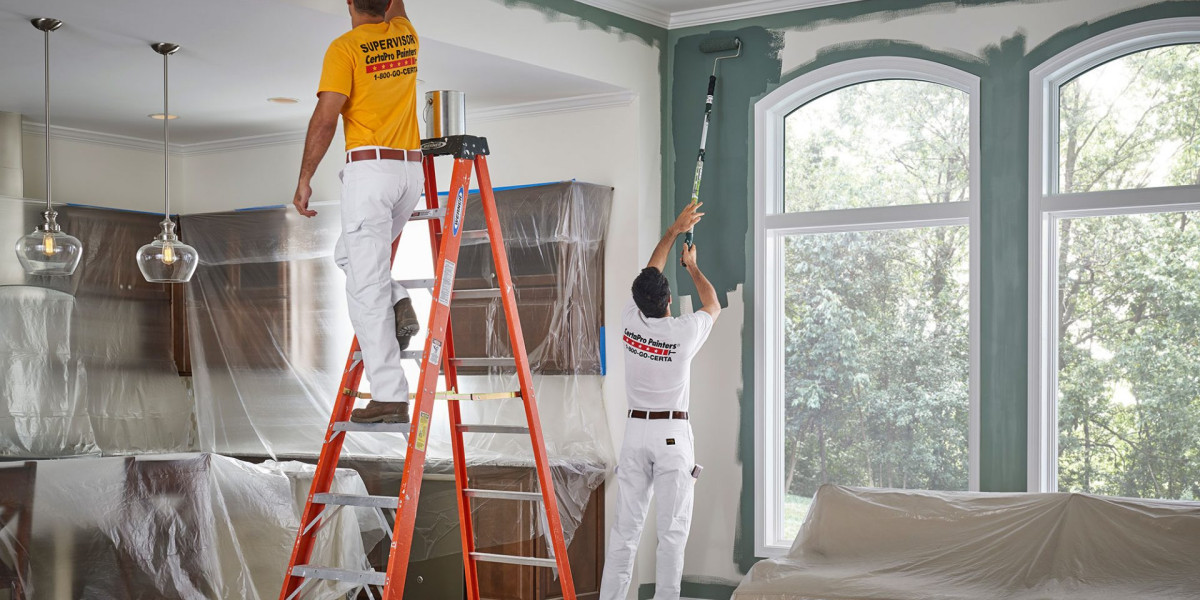

Painting the inside of a home is one of the fastest ways to make any space look fresh, clean, and modern. Whether you are renovating a single room or the whole house, a good paint job can change the entire look of your home. But before you start planning colors, you will need to understand how much the work will cost. Many homeowners feel confused about pricing, especially when it comes to labor charges. That is why we created this simple and clear guide to help you understand everything step-by-step.
In this blog, we break down how painters charge, what affects the total cost, and how you can estimate the budget for your project. We have written everything in very easy English so that anyone can read and understand it.
Why Understanding Labor Cost Matters
When painting a home, the total price usually includes two things:
Labor cost – this is what you pay the painter for their work
Material cost – paint, primer, tools, and other supplies
Labor usually makes up the biggest part of the total amount. That is why knowing how painters calculate charges helps you plan better and avoid surprises.
Many professionals charge using a simple and clear method called interior painting labor cost per square foot. It is one of the easiest ways to estimate the budget for your project.
How Painters Usually Calculate the Charges
Painters use a few different methods to charge customers:
1. Per square foot
This is the most common method because it is fair, simple, and easy to estimate. The painter checks the size of the walls and then tells you the cost based on how many square feet need to be painted.
2. Per room
Some painters give a fixed price for each room. This may depend on room size, height of the walls, and the number of doors or windows.
3. Hourly rate
A few painters charge by the hour, but this method is less predictable for homeowners.
4. Flat project rate
In some cases, painters offer one price for the whole job after checking the home.
In this blog, we focus on square-foot pricing because it is the most transparent and easy for customers to understand.
What Affects the Labor Cost?
Many factors can change the overall labor charge. Painters do not just apply paint—they also prepare the walls, repair imperfections, and make sure the final finish is smooth. These steps take time and skill.
Here are the main things that affect the price:
1. Size of the Area
Larger rooms or bigger homes require more work and time. The more square feet, the higher the total cost.
2. Wall Height
Standard homes have 8–10 foot walls. If your walls are taller, painters will need extra ladders, more time, and more effort.
3. Wall Condition
If the walls have cracks, holes, stains, or damage, the painter needs to fix them before applying paint.
Extra work can include:
Sanding
Patching
Priming
Filling gaps
Removing old paint
These tasks increase the labor cost.
4. Number of Doors and Windows
Doors and windows interrupt the painting flow. Painters have to cut around edges, frames, and corners, which takes more time.
5. Type of Paint Finish
Different finishes take different effort levels:
Flat paint – easy and fast
Eggshell or satin – needs a smoother base
Semi-gloss or gloss – needs careful preparation
Higher-shine paints require more precision.
6. Number of Coats Required
Dark colors often require more coats, and light colors may need less. If you are covering dark paint with a lighter shade, you may need a primer layer too.
7. Location
Costs vary depending on where you live. Urban areas usually have higher labor rates than rural locations.
How Much Do Painters Charge Per Square Foot?
In most regions, painters follow the industry standard. This method is called interior painting labor cost per square foot, and it helps you estimate the total price easily.
The average labor cost usually depends on wall condition, prep work, and paint type. A basic job with minimal prep will cost less. More detailed work, like repairing walls or applying multiple coats, will cost more.
When a homeowner asks a painter for an estimate, the painter measures the wall area and gives a per-square-foot rate. This makes it very easy to compare different quotes from different painters.
How to Calculate the Cost for Your Home
You can estimate the cost like this:
Step 1: Measure your walls
Add up the length of all walls in the room and multiply by the height.
Step 2: Subtract large windows or doors
These areas do not need paint.
Step 3: Multiply by the painter’s square-foot price
This gives you a close estimate of the labor cost.
If you ask for a quote from professionals, they will calculate everything for you, but knowing the basic math helps you understand how they reach their price.
Why Square-Foot Pricing Is Better for Homeowners
There are many reasons why this pricing method is helpful:
✔ Easy to estimate
You know exactly how the painter calculated the cost.
✔ Fair for both customer and painter
Larger homes cost more, smaller homes cost less.
✔ Helps you compare multiple quotes
You can check which painter offers the best value.
✔ No hidden charges
Everything is based on clear measurements.
This is why many professionals use the interior painting labor cost per square foot method to give accurate and transparent estimates.
How to Save Money on Interior Painting
If you want to reduce the total labor cost, here are some simple tips:
✔ Move furniture yourself
This reduces the painter’s workload.
✔ Fix small cracks before the painter arrives
Simple repairs can save time.
✔ Choose similar colors
Switching from one dark color to another may need fewer coats.
✔ Paint during off-season
Painters may offer discounts during slow months.
✔ Get multiple quotes
Compare prices before choosing a painter.
Signs You Are Getting a Good Painter
Not all painters offer the same quality. A good painter should:
Arrive on time
Give a clear quote
Explain the work process
Use good quality tools
Work carefully without making a mess
Provide a finish that looks smooth and clean
Good painters also explain the interior painting labor cost per square foot clearly so you know exactly what you’re paying for.
Conclusion
Painting the interior of a home is one of the most affordable and effective ways to update your space. But before starting the job, it is important to understand labor costs so you can plan your budget properly. The easiest method that most painters use is calculating the interior painting labor cost per square foot, which makes the entire process transparent and simple.
By understanding what affects the price, you can choose the right painter, avoid surprise charges, and make sure the work fits your budget. A well-painted home does not just look beautiful—it also feels fresher, cleaner, and more comfortable.