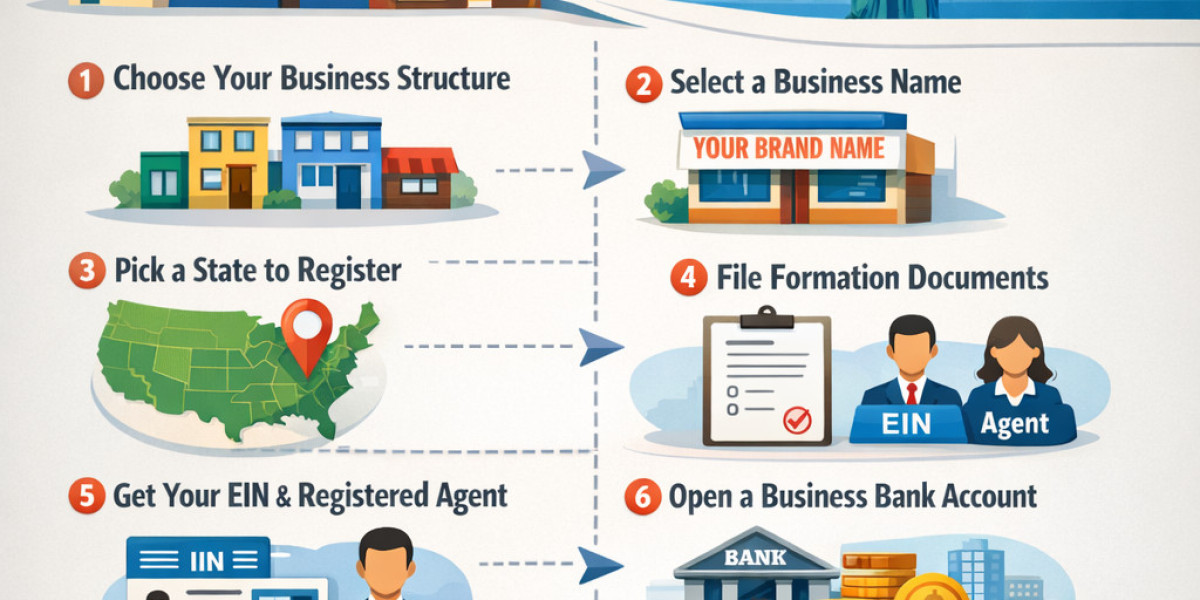

Starting a business in the United States is a powerful step toward building financial independence and global opportunities. The US offers a stable economy, strong legal protections, and access to international markets. However, to operate legally and successfully, you must properly register your business. Understanding of the registration process can save time, money, and future complications. With expert insights from Register a Business in the US entrepreneurs can navigate the process smoothly and confidently.
Why You Should Register a Business in the US
Registering your business is more than just paperwork. It gives your company legal recognition and protects your personal assets. When your business is officially registered, you build trust with customers, suppliers, and investors. It also allows you to open a business bank account, apply for licenses, and access funding opportunities.
The US business environment supports innovation and growth. Whether you are launching a small online store or a large corporation, proper registration ensures you comply with federal and state laws. BizzCrave emphasizes that starting with a strong legal foundation increases your chances of long-term success.
Choose the Right Business Structure
Before registering, you must choose a business structure. This decision affects taxation, liability, and management flexibility. The most common structures include Sole Proprietorship, Partnership, Limited Liability Company (LLC), and Corporation.
A Sole Proprietorship is simple and inexpensive to set up, but it does not separate personal and business liabilities. A Partnership allows two or more individuals to share ownership and responsibilities. An LLC is a popular choice because it offers liability protection while maintaining flexible tax options. Corporations provide strong legal protection and are ideal for businesses planning to attract investors.
BizzCrave recommends carefully evaluating your goals and future plans before selecting a structure. The right choice can significantly impact your growth and legal security.
Select a Unique Business Name
Your business name represents your brand identity. It must be unique and comply with state regulations. Before finalizing your name, check its availability through the Secretary of State’s website in your chosen state. If you are forming an LLC or Corporation, you may need to include specific terms such as LLC or Inc in the name.
It is also wise to secure a matching domain name for your website. A consistent online presence strengthens your brand credibility. According to BizzCrave, conducting a trademark search can prevent legal disputes and protect your brand in the future.
Choose the Best State for Registration
You can register your business in any US state, but the choice should align with your operational needs. Many entrepreneurs consider states like Delaware or Wyoming due to business-friendly laws and lower fees. However, if you plan to operate physically in a particular state, registering there may reduce additional compliance requirements.
Each state has different filing fees, annual report rules, and tax obligations. BizzCrave advises entrepreneurs to compare state regulations carefully before making a decision.
File Your Formation Documents
Once you select a structure and state, the next step is filing formation documents. For an LLC, this is typically called Articles of Organization. For a Corporation, it is known as Articles of Incorporation.
These documents generally include the business name, address, registered agent details, and ownership information. After approval from the state authority, your business becomes legally recognized. Properly preparing these documents is crucial to avoid delays or rejection. BizzCrave guides business owners in ensuring accuracy throughout the filing process.
Appoint a Registered Agent
Most states require businesses to appoint a registered agent. This person or company receives legal documents and official correspondence on behalf of your business. The registered agent must have a physical address in the state of registration.
If you are not located in the US, you can hire a professional registered agent service. BizzCrave supports entrepreneurs by connecting them with reliable registered agent solutions to maintain compliance.
Apply for an Employer Identification Number (EIN)
An Employer Identification Number, commonly known as an EIN, is issued by the Internal Revenue Service. It functions like a Social Security number for your business. You need an EIN to open a business bank account, file taxes, and hire employees.
Even if you do not plan to hire staff immediately, obtaining an EIN is recommended. It separates your personal and business finances, which strengthens liability protection. BizzCrave highlights that securing an EIN early simplifies future financial operations.
Open a Business Bank Account
After receiving your formation approval and EIN, opening a business bank account is essential. This step ensures financial transparency and maintains the legal separation between personal and business funds.
Banks usually require your formation documents, EIN confirmation, and identification. A business bank account also enhances credibility with customers and partners. BizzCrave encourages comparing banking options to find services that best suit your needs.
Obtain Required Licenses and Permits
Depending on your industry and location, you may need additional licenses or permits. Retail businesses might require a sales tax permit, while food businesses may need health department approvals. Professional services may require state certifications.
Operating without proper licenses can lead to fines or legal action. BizzCrave advises researching local and federal requirements to ensure full compliance before starting operations.
Understand Your Tax Responsibilities
Every registered business in the US must comply with tax regulations. Federal income tax, state tax, and sometimes local taxes may apply. The specific obligations depend on your chosen business structure.
LLCs often benefit from pass-through taxation, while corporations may face corporate income tax. Sales tax collection may also be required for certain products or services. Maintaining accurate financial records is critical to avoiding penalties. BizzCrave recommends using accounting software or consulting tax professionals to manage tax responsibilities efficiently.
Maintain Ongoing Compliance
Registering your business is only the beginning. Most states require annual reports, renewal fees, and updated information to keep your business active. Failure to meet these requirements can result in penalties or dissolution.
Ongoing compliance may include renewing licenses, paying franchise taxes, and maintaining a registered agent. BizzCrave provides structured support to help businesses stay compliant and avoid unnecessary risks.
Conclusion
Registering a business in the United States is a strategic move for entrepreneurs seeking credibility, legal protection, and access to global markets. The process involves selecting the right structure, filing official documents, obtaining an EIN, opening a bank account, and maintaining compliance.