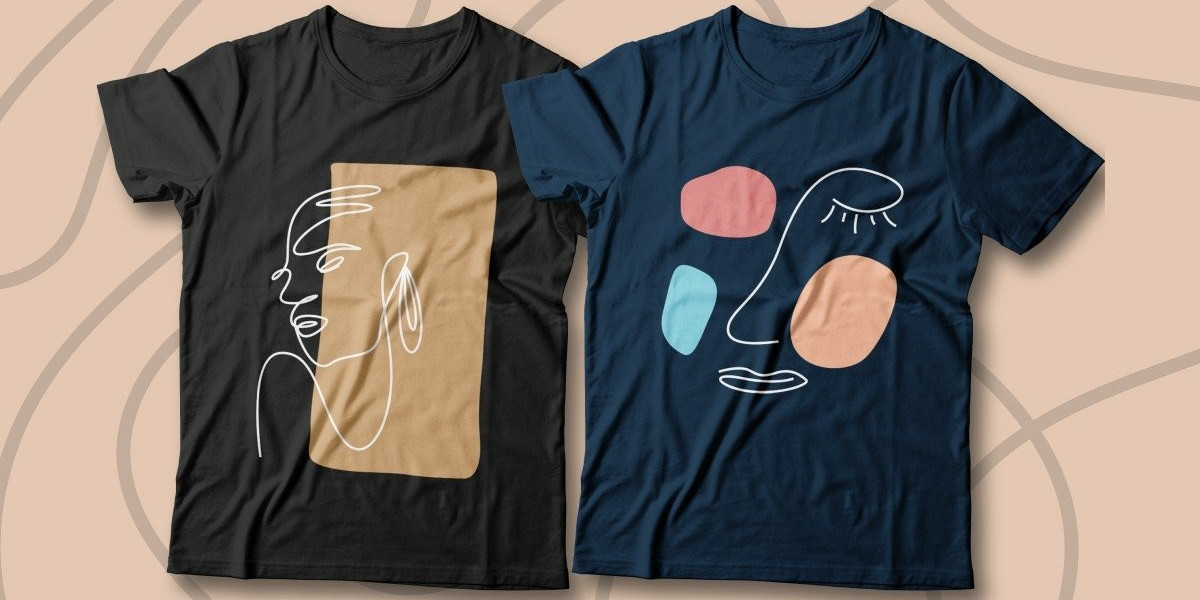

If you’re offering t-shirt design in Germantown, MD, or anywhere else for that matter, you’ve probably asked yourself one big question:
“How much should I charge?”
And let’s be honest — pricing your custom T-shirt designs can feel overwhelming. You don’t want to scare customers away with high prices. But you also don’t want to undercharge and feel exhausted, undervalued, and barely profitable.
Pricing isn’t just numbers.
It’s confidence.
It’s a strategy.
It’s survival.
So let’s walk through this together — step by step — and help you price your custom T-shirt designs to protect your profit and honor your creativity.
First: Stop Undervaluing Your Work
Before we talk formulas, let’s talk mindset.
Your designs are not “just T-shirts.”
They represent:
Your creativity
Your time
Your skills
Your equipment
Your brand reputation
Your customer experience
When you underprice, you’re not being generous — you’re hurting your business.
Profit is not greed.
Profit is what allows you to grow, upgrade equipment, market better, and serve clients at a higher level.
Now that we’ve set the tone, let’s get practical.
Step 1: Calculate Your Real Costs
You cannot price for profit if you don’t know your costs.
And I mean your real costs — not just the blank shirt.
Here’s what you need to factor in:
1. Blank T-Shirt Cost
This depends on:
Fabric type (cotton, blended, premium)
Brand quality
Bulk quantity
Example:
If a blank shirt costs you $4.00 in bulk, that’s your starting point.
2. Printing Costs
Are you using:
Screen printing?
Direct-to-garment (DTG)?
Heat transfer?
Embroidery?
Each method has different costs for:
Ink
Screens
Setup
Machine wear
Labor
Let’s say printing costs you $3.00 per shirt.
3. Labor
Your time matters.
Designing, setting up files, preparing screens, operating machines, packaging — all of it counts.
Even if you’re doing it yourself, assign an hourly rate.
If it takes 10 hours to complete a 50-shirt order and you value your time at $25/hour:
Labor cost = $250 ÷ 50 shirts = $5 per shirt
4. Overhead Costs
This is where many business owners forget to calculate properly.
Overhead includes:
Rent
Utilities
Software subscriptions
Equipment maintenance
Marketing expenses
Website costs
You should distribute a portion of the overhead to each shirt.
Example:
If monthly overhead is $2,000 and you produce 500 shirts per month:
Overhead per shirt = $4
Example Cost Breakdown
Let’s calculate:
Blank shirt: $4
Printing: $3
Labor: $5
Overhead: $4
Total cost per shirt = $16
Now here’s the truth…
If you sell it for $18, you’re barely surviving.
Step 2: Add a Healthy Profit Margin
This is where business becomes sustainable.
Most successful apparel businesses aim for a 40%–60% profit margin.
Let’s say you want a 50% margin.
Cost per shirt: $16
50% markup: $8
Selling price: $24 per shirt
Now you’re making $8 profit per shirt.
If you sell 200 shirts a month, that’s $1,600 in profit.
That’s growth money.
That’s stability.
That’s breathing room.
Step 3: Consider Your Market Position
Pricing isn’t just math.
It’s perception.
Ask yourself:
Are you positioning as premium?
Are you targeting schools and bulk orders?
Are you selling fashion-forward retail designs?
Are you printing for corporate branding?
If you’re selling high-quality, custom-designed apparel with premium materials, your pricing should reflect that.
Cheap pricing attracts bargain hunters.
Strategic pricing attracts serious customers.
And serious customers respect quality.
Step 4: Understand Bulk Pricing Strategy
Custom T-shirt businesses thrive on volume.
The more shirts a client orders, the lower your cost per unit becomes.
So offer tiered pricing.
For example:
1–24 shirts: $28 each
25–49 shirts: $24 each
50–99 shirts: $21 each
100+ shirts: $18 each
This does two powerful things:
Encourages bigger orders
Protects your margins
Psychologically, customers love feeling like they’re getting a deal.
And you love moving more inventory.
Win-win.
Step 5: Don’t Forget Design Fees
Here’s a common mistake:
People include custom design work for free.
Stop doing that.
If you’re creating original artwork, logos, typography layouts, or illustrations — charge for it.
You can:
Charge a flat design fee ($50–$300+, depending on complexity)
Or bundle it into a premium package
Your creativity has value beyond ink on fabric.
Step 6: Research Your Competition (But Don’t Copy Them)
Look at what other T-shirt design businesses in your area are charging.
But don’t blindly match them.
Ask:
Are they using cheaper materials?
Are they outsourcing overseas?
Are they cutting corners?
Do they have different overhead?
Competing solely on price is a dangerous game.
Compete on:
Quality
Service
Speed
Creativity
Experience
That’s how long-term brands are built.
Step 7: Factor in Emotional Value
This part is rarely talked about.
But it matters.
Custom T-shirts are often created for:
Family reunions
Weddings
School pride
Church groups
Startup launches
Fundraisers
Sports teams
These aren’t just shirts.
They’re memories.
Their identity.
They belong.
When you understand that emotional value, you realize pricing shouldn’t always be a race to the bottom.
People pay more for meaning.
Step 8: Leave Room for Growth
When pricing, ask yourself:
Can this price support:
New equipment?
Hiring staff?
Marketing campaigns?
Website improvements?
Unexpected repairs?
If your pricing only covers today’s costs, your business will struggle tomorrow.
Profit funds progress.
Step 9: Test and Adjust
Pricing is not permanent.
You can test different price points.
If sales are strong and customers aren’t pushing back, you may be underpricing.
If customers consistently hesitate, analyze:
Are you targeting the wrong audience?
Is your perceived value too low?
Is your branding weak?
Or is the price genuinely too high?
Pricing is strategy, not guesswork.
Common Pricing Mistakes to Avoid
Let’s protect you from heartbreak.
❌ Pricing Based on Emotion
“$15 feels fair.”
That’s not a strategy. That’s guessing.
❌ Copying Big Retail Brands
You are not Walmart.
They rely on mass production at massive scale.
Your strength is customization and service.
❌ Ignoring Hidden Costs
Machine maintenance, spoiled prints, misprints, refunds — they all happen.
Plan for them.
❌ Discounting Too Often
Constant discounts train customers to wait.
Value your brand.
Final Thoughts: Price With Confidence
Pricing your custom T-shirt designs isn’t just about making money.
It’s about building something sustainable.
It’s about waking up excited to create — not stressed about bills.
It’s about turning your talent into a thriving business.
Remember:
✔ Know your costs
✔ Add healthy profit margins
✔ Position your brand intentionally
✔ Respect your creativity
✔ Think long-term
You didn’t start this journey to barely survive.
You started it because you believe in your work.
Price it as you believe in it.
Because when you price with confidence, your customers feel it — and your business grows with it.