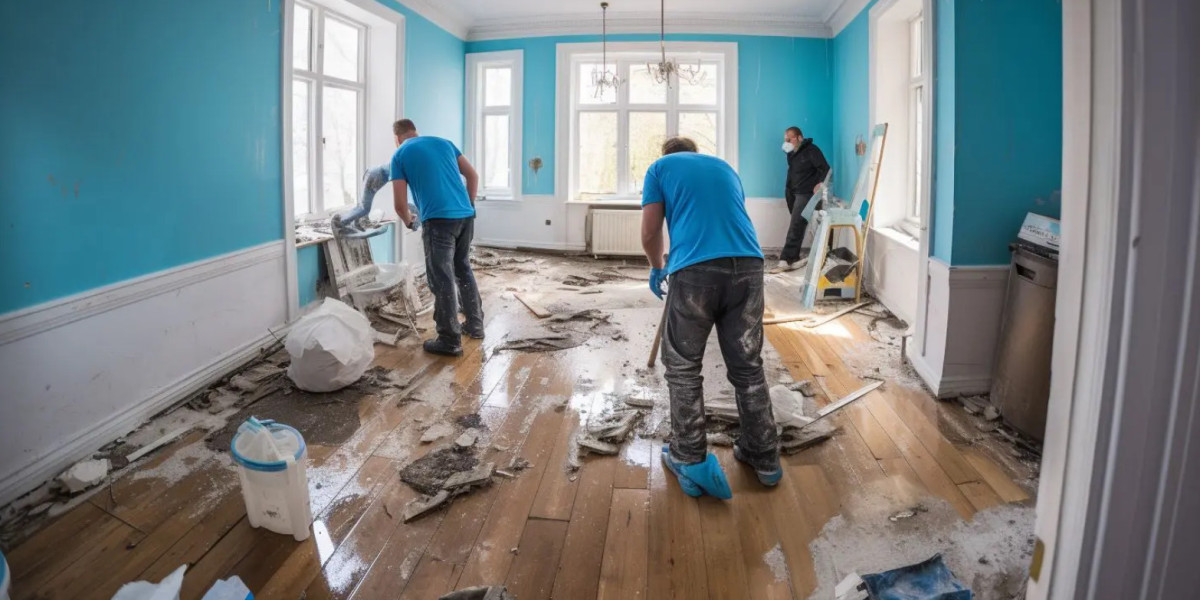

A ceiling leak is rarely just a "drip" problem; it is a structural intrusion. When water breaches your ceiling, it doesn't just sit on the surface waiting to be wiped away. It follows the path of least resistance, often migrating into areas that are completely invisible to the naked eye. If you are dealing with the aftermath of a pipe burst or a roof failure, What You Should Know is that time is your greatest enemy. Professional Water Damage Restoration King George, VA is often necessary because moisture trapped behind walls can lead to secondary damage that costs thousands more than the initial repair.
At Clearview Water Damage, we’ve seen how "dry" ceilings can actually be holding gallons of water within the building envelope. Here is a deep dive into the secret hiding places of moisture after a ceiling leak.
1. Cellulose and Fiberglass Insulation
One of the most common places for moisture to hide is inside your attic or floor joist insulation.
- Fiberglass Batts: These act like a giant sponge. While the glass fibers themselves don't absorb water, the spaces between them trap it, weighing down the material and stripping it of its R-value (insulating capability).
- Blown-in Cellulose: This is even more problematic. Made of recycled paper, cellulose becomes a soggy, heavy mat that stays wet for weeks.
If moisture remains here, it creates a "wet blanket" effect against your ceiling drywall, leading to sagging and eventual collapse.
2. The Interior of Wall Cavities
Gravity is a powerful force. When water leaks through a ceiling, it doesn't just stay in the horizontal plane. It often travels to the edge of the room and runs down the interior of the wall studs. This is a primary concern for Water Damage Restoration King George, VA experts because you cannot see this moisture without specialized tools.
The water pools at the bottom of the wall, soaking into the sill plate (the horizontal wood at the base of the wall). Because there is very little airflow inside a wall cavity, this water can remain trapped for a long time, rotting the wood and inviting black mold growth behind your wallpaper or paint.
3. Layered Flooring Above the Leak
If your ceiling leak originated from a bathroom or kitchen on the floor above, the moisture is likely trapped between the flooring layers.
- Subflooring: Plywood or OSB subfloors can absorb water and begin to delaminate or swell.
- Underlayment: Padding under carpets or the thin foam under laminate flooring is notorious for holding moisture.
Even if the floor looks dry on top, the "sandwich" of materials prevents evaporation. This often leads to warping, cupping, or buckling of hardwood floors several days after the initial leak was "fixed."
4. Electrical Conduits and Junction Boxes
Water and electricity are a dangerous combination. Moisture can easily find its way into light fixtures, ceiling fans, and electrical boxes.
- Corrosion: Over time, trapped moisture causes wires and connectors to corrode, leading to flickering lights or shorts.
- Fire Hazard: Even a small amount of residual moisture can cause an electrical arc.
If you notice a leak near a light fixture, it is vital to have a professional water mitigation company inspect the wiring to ensure no water is sitting inside the protective conduits.
5. HVAC Ductwork and Vents
Your HVAC system can inadvertently become a reservoir for leak water. If a pipe bursts near a duct, water can enter the seams of the metal or flex-ducting.
- Condensation issues: Water trapped in ducts can lead to high humidity levels every time the AC or heater kicks on.
- Spore Distribution: If mold begins to grow inside the damp dust of your ductwork, the system will blow those spores throughout the entire house, compromising your indoor air quality.
The Hidden Danger: Structural Framing
The "bones" of your home—the wooden joists and beams—are porous. When they get wet, they undergo a process called capillary action, where the water is pulled deep into the grain of the wood.
If this wood isn't dried using high-velocity air movers and industrial dehumidifiers, it can lead to dry rot or structural weakening. Structural drying is a specialized process that goes beyond just cleaning up the puddle; it involves monitoring the moisture content of the wood until it reaches its "dry standard."
Signs You Have Hidden Moisture
If you aren't sure if the water has been fully removed, look for these "red flags":
- Musty Odors: A persistent earthy or "old basement" smell is a surefire sign of mold and hidden dampness.
- Peeling Paint or Wallpaper: As moisture tries to escape the drywall, it pushes against the finish, causing it to bubble or flake.
- Discoloration: Yellow, brown, or copper-colored rings on the ceiling or walls indicate that the material behind them is still saturated.
- Increased Humidity: If a room feels "heavy" or damp compared to the rest of the house, there is likely an active evaporation process happening behind the scenes.
How Professionals Find the "Invisible" Water
Standard visual inspections aren't enough for modern flood restoration. Professionals use a variety of high-tech tools to find moisture:
- Thermal Imaging Cameras: These cameras detect temperature differences. Since wet areas are usually cooler than dry areas due to evaporation, they "glow" on the screen, revealing the exact path of the water behind the wall.
- Moisture Meters: These devices provide a digital reading of the moisture percentage inside wood, drywall, and masonry.
- Borescopes: Small cameras inserted through tiny holes to look inside wall cavities without tearing down the entire wall.
Conclusion
A ceiling leak is like an iceberg—the part you see is only a fraction of the total problem. Leaving moisture to "dry on its own" is a gamble that usually results in mold, structural damage, and a much higher repair bill later on.
Whether it's a slow roof leak or a catastrophic pipe burst, getting a professional assessment is the only way to ensure your home is truly dry.