
In the modern energy sector, aluminum conductors have emerged as a preferred solution for overhead transmission and distribution networks. Their combination of lightweight, durability, and electrical efficiency makes them ideal for utilities, EPC contractors, and industrial power projects. As a global manufacturer of overhead conductors and power cables, HNBF Power delivers premium aluminum conductor solutions tailored to meet diverse energy infrastructure needs.
What Are Aluminum Conductors?
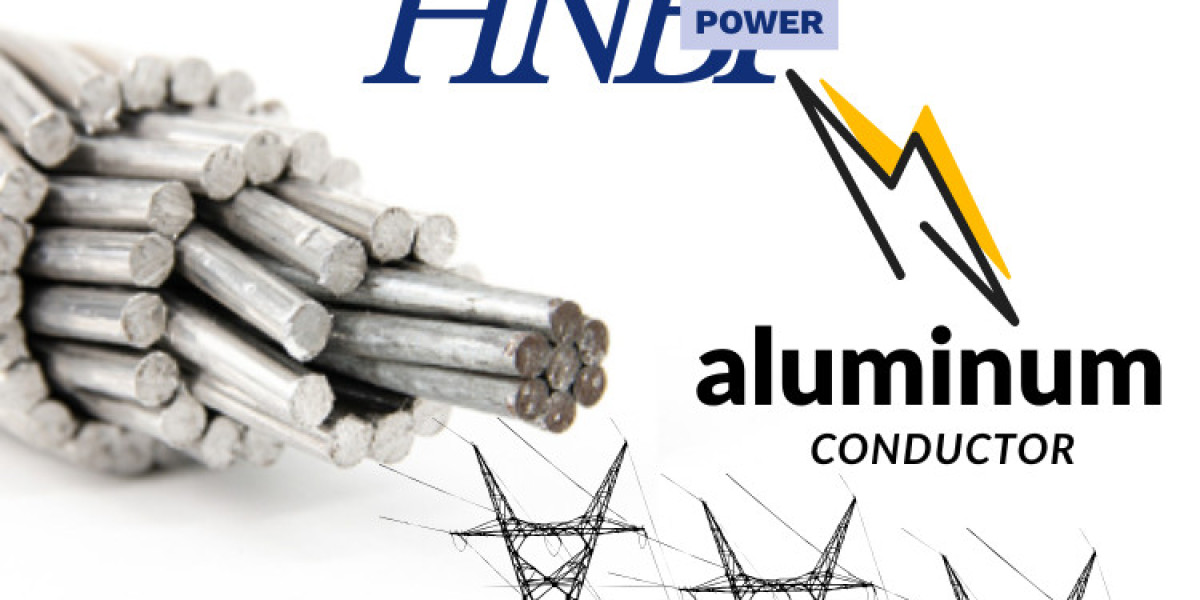
Aluminum conductors are electrical wires made primarily of high-purity aluminum or aluminum alloys, designed to carry electricity efficiently over long distances. Unlike copper, aluminum offers a lighter weight without compromising conductivity, making installation easier and cost-effective.
Aluminum conductors come in multiple forms, including:
AAC (All Aluminum Conductor): Pure aluminum, suitable for short to medium spans.
AAAC (All Aluminum Alloy Conductor): Enhanced strength through alloying, ideal for longer spans and higher mechanical loads.
ACSR (Aluminum Conductor Steel Reinforced): Aluminum strands around a steel core, combining conductivity and tensile strength for high-voltage transmission.
HNBF Power specializes in all these varieties, ensuring reliability and compliance with global standards for overhead conductors.
Advantages of Aluminum Conductors
The growing preference for aluminum conductors in modern grids stems from several key advantages:
Lightweight and Easy Handling
Aluminum is approximately 30% lighter than copper, reducing transportation and installation costs. Its lower weight also allows for longer spans between poles or towers, enhancing project flexibility.Cost-Effective Solution
With lower raw material costs compared to copper, aluminum conductors offer a high-performance, economical alternative for both utility-scale and industrial projects.Excellent Corrosion Resistance
Aluminum naturally forms a protective oxide layer, improving durability in harsh environmental conditions. For coastal or industrial regions, AAAC or ACSR options from HNBF Power provide long-lasting reliability.Superior Conductivity for Size
Modern aluminum conductor designs ensure high electrical conductivity, making them suitable for medium and high-voltage transmission lines. HNBF Power carefully engineers each conductor to balance electrical performance with mechanical strength.Sustainability
Aluminum is highly recyclable, reducing environmental impact while supporting sustainable energy infrastructure initiatives.
Applications of Aluminum Conductors
Aluminum conductors serve diverse applications across transmission and distribution networks:
Overhead Power Lines: AAC, AAAC, and ACSR conductors are widely used for high-voltage transmission across urban, rural, and industrial areas.
Industrial Energy Systems: Aluminum conductors are ideal for delivering power in manufacturing plants, warehouses, and industrial facilities.
Utilities and EPC Projects: Lightweight and durable aluminum conductors simplify deployment in complex grid expansion projects.
By choosing HNBF Power aluminum conductors, engineers and procurement teams gain access to products that meet both technical specifications and project timelines.
Choosing the Right Aluminum Conductor
Selecting the optimal aluminum conductor involves understanding project requirements such as voltage levels, span length, mechanical load, and environmental conditions. HNBF Power offers customized solutions, including:
Custom diameters and stranding configurations for specialized electrical loads
High-strength ACSR variants for long-span transmission lines
Corrosion-resistant coatings for coastal and industrial applications
Expert consultation ensures that each conductor aligns with safety standards, regulatory compliance, and operational efficiency.
Why Partner with HNBF Power
With decades of experience in manufacturing overhead conductors and power cables, HNBF Power delivers unmatched quality and technical support. Key differentiators include:
Global Manufacturing Expertise: ISO-certified facilities with advanced production technologies
Engineering Support: Technical guidance for conductor selection and project optimization
Customization Options: Tailored solutions to meet unique project specifications
Reliability: Consistent performance in diverse environmental and operational conditions
Our commitment to innovation and quality ensures that clients receive aluminum conductors optimized for both cost and performance.
FAQs About Aluminum Conductors
Q1: What is the difference between AAC, AAAC, and ACSR conductors?
AAC is pure aluminum, ideal for short to medium spans. AAAC is an aluminum alloy providing higher tensile strength, while ACSR includes a steel core for long-span, high-voltage applications.
Q2: Are aluminum conductors suitable for coastal areas?
Yes, AAAC and properly coated ACSR conductors offer excellent resistance to corrosion in coastal or industrial environments.
Q3: How do aluminum conductors compare with copper in cost and performance?
Aluminum conductors are lighter and more cost-effective than copper while offering comparable conductivity for overhead applications, especially over longer distances.
Q4: Can HNBF Power provide customized conductor solutions?
Absolutely. We provide tailored stranding, diameters, coatings, and mechanical specifications to meet specific project requirements.
Q5: What standards do HNBF Power conductors comply with?
All products are manufactured according to international electrical and mechanical standards, ensuring safety, reliability, and global compatibility.
Conclusion: Power Your Projects with HNBF Power
For engineers, utilities, and procurement buyers seeking efficient, reliable, and cost-effective solutions, aluminum conductors from HNBF Power offer unmatched quality and performance. Our team supports every stage of the project, from technical consultation to delivery, ensuring seamless integration into your transmission and distribution systems.
Contact HNBF Power today to explore customized aluminum conductor solutions that meet your project’s specific needs and drive energy efficiency for years to come.