
Introduction
Commercial interiors in the Middle East are evolving rapidly. Businesses are no longer focused only on beautiful architecture, premium materials, or impressive lighting. Today, the most successful brands understand that customer experience goes far beyond what people see. It includes what they feel and more importantly, what they smell.
Scent marketing is emerging as a powerful strategy across the region. From luxury hotels to high-end retail stores, fragrance is becoming a deliberate part of interior design. It is no longer treated as a finishing touch but as a strategic branding tool that shapes perception, memory, and emotion.
The Cultural Significance of Fragrance in the Middle East
Fragrance has deep cultural roots in Middle Eastern society. Traditional scents like oud and bakhoor are part of everyday life, hospitality rituals, and special occasions. Offering a pleasant fragrance to guests is seen as a sign of respect and warmth.
Because scent already holds emotional and cultural value, businesses in the region have a unique advantage. Customers are naturally more aware of and sensitive to fragrance. This makes scent marketing especially effective in Middle Eastern commercial spaces compared to many other parts of the world.
The Shift Toward Experiential Commercial Spaces
Cities such as Dubai, Abu Dhabi, and Doha have positioned themselves as global hubs for luxury, tourism, and innovation. Shopping malls are architectural landmarks. Hotels compete to offer unforgettable guest experiences. Corporate offices are designed to reflect brand identity and prestige.
In such competitive environments, businesses are constantly looking for ways to stand out. Visual branding alone is no longer enough. Customers expect immersive experiences. This is where scent marketing becomes powerful — it adds an invisible yet memorable layer to interior design.
When a customer walks into a space that smells distinctive and pleasant, the experience immediately feels more refined and intentional.
How Scent Marketing Enhances Commercial Interiors
Scent marketing works on a psychological level. The human sense of smell is directly connected to the brain’s emotional and memory centers. A carefully chosen fragrance can influence mood, perception, and even behavior.
In commercial interiors, this creates several advantages:
Many businesses today are turning to professional scent marketing solutions to create signature brand experiences tailored to their space.
1. Stronger Brand Recall
A signature scent makes a space memorable. When customers encounter the same fragrance again, they instantly associate it with the brand.
2. Increased Dwell Time
Pleasant ambient fragrance encourages customers to stay longer in retail environments, which can positively impact purchasing behavior.
3. Elevated Perception of Luxury
Subtle, well-balanced scents create an atmosphere of sophistication. Many luxury hotels and boutiques use signature fragrances to enhance their premium positioning.
4. Emotional Connection
Fragrance can create feelings of comfort, calmness, energy, or exclusivity depending on the scent profile. This emotional connection strengthens brand loyalty over time.
Applications Across Different Sectors
Scent marketing in the Middle East is not limited to one industry. It is expanding across multiple sectors:
Luxury Hotels: Creating a welcoming signature aroma in lobbies and corridors.
Retail Stores: Enhancing shopping environments to reflect brand personality.
Shopping Malls: Developing consistent ambient scents in common areas.
Corporate Offices: Promoting productivity and positive workplace environments.
Healthcare & Wellness Centers: Supporting relaxation and patient comfort.
As commercial interiors become more customer-focused, scent is being integrated during the planning stage — not added as an afterthought.
Technology Behind Modern Scent Diffusion
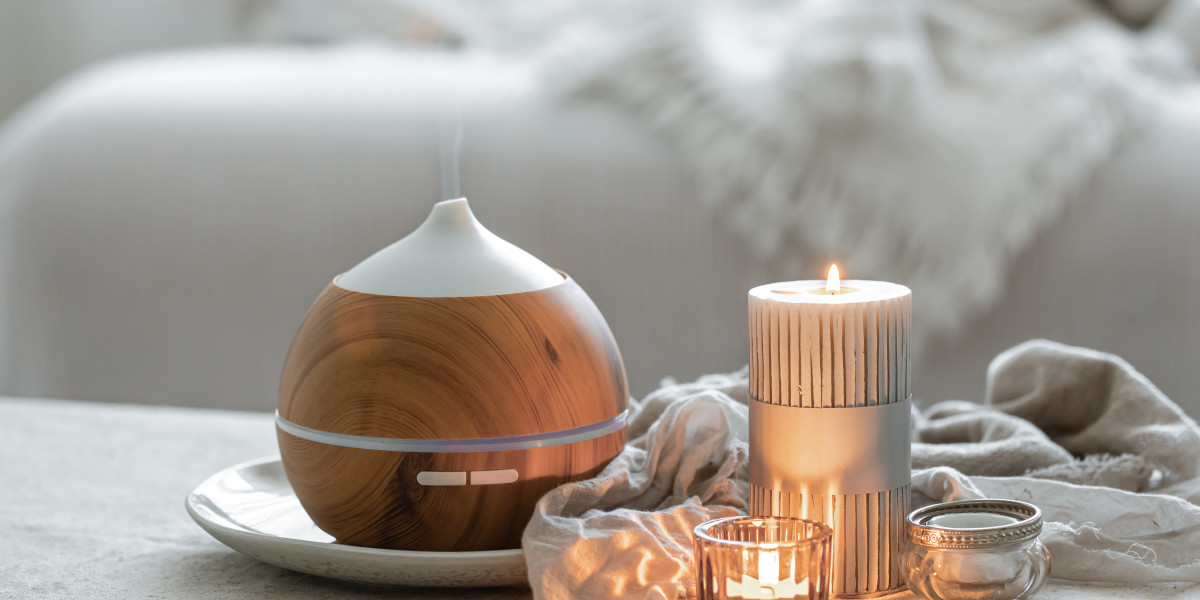
Modern scent marketing is powered by advanced cold-air diffusion technology. Unlike traditional candles or oil burners, these systems convert fragrance oils into ultra-fine dry particles. This ensures:
Even distribution across large spaces
No residue or staining
Controlled intensity levels
Safe and clean operation
Smart scent systems can even be programmed based on time, foot traffic, or specific events. This level of precision makes fragrance a manageable and measurable branding tool.
Why the Middle East Is an Ideal Market for Scent Branding
The Middle East combines three important factors:
A strong cultural appreciation for fragrance
Rapid commercial development
High consumer expectations for luxury and experience
Because of this, scent marketing fits naturally into the region’s commercial landscape. Businesses are increasingly recognizing that fragrance is not just about creating a pleasant smell — it is about shaping perception and building emotional memory.
In a region where first impressions matter deeply, scent becomes a silent ambassador of the brand.
The Future of Commercial Interiors in the GCC
As competition continues to grow across retail, hospitality, and corporate sectors, experiential design will become even more important. Visual aesthetics will remain essential, but sensory branding will define the most successful spaces.
Scent marketing is likely to expand into:
Residential developments
Co-working spaces
Event venues
Luxury automotive showrooms
The brands that invest early in sensory identity will have a clear advantage in building recognition and loyalty.
Conclusion
Scent marketing in the Middle East is no longer an emerging concept — it is a growing trend reshaping commercial interiors. Rooted in cultural appreciation and supported by modern technology, fragrance is becoming a strategic business decision rather than a decorative choice.
As businesses across the region strive to create memorable experiences, scent offers something powerful yet invisible — the ability to influence emotion, strengthen identity, and leave a lasting impression long after customers leave the space.