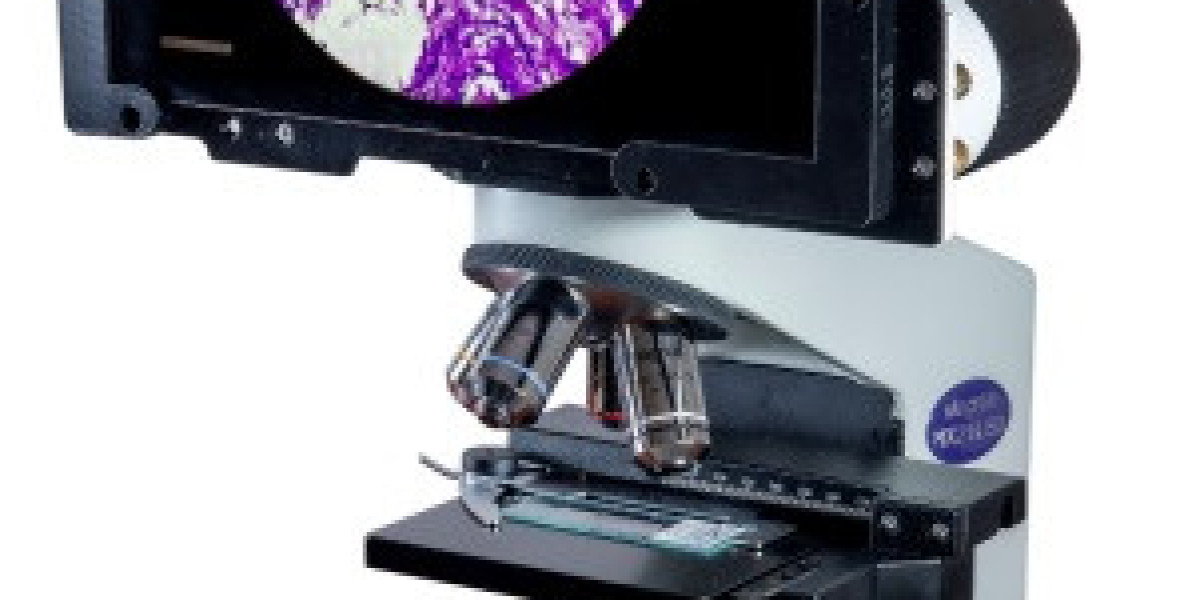

Selecting the right microscope is critical for achieving accurate observation, research precision, and long-term reliability. Whether you are a student beginning laboratory work or a research professional working with advanced specimens, understanding different microscope types helps you make an informed decision.
Stereo Zoom Microscope – Ideal for 3D Observation
A stereo zoom microscope is widely used for detailed surface inspection, dissections, electronics assembly, and industrial applications. Unlike traditional microscopes, stereo microscopes provide a three-dimensional view of specimens with excellent depth perception.
These microscopes are perfect for:
Biological dissections
PCB and electronics inspection
Gemology
Material science analysis
Magnus stereo microscopes offer smooth zoom mechanisms, ergonomic design, and superior optics, making them reliable for both academic and industrial environments.
Best Microscope for Students – Building Strong Foundations
Choosing the best microscope for students is crucial for building practical laboratory skills. Students need microscopes that are:
Durable
Easy to use
Accurate
Affordable
Magnus student microscopes are designed with LED illumination, sturdy frames, and clear optics to ensure long-lasting performance in schools and colleges. They provide the perfect balance between functionality and budget.
For beginners in biology or life sciences, starting with a high-quality student microscope improves understanding of cell structures, microorganisms, and tissue samples.
Compound Microscope – The Most Versatile Laboratory Tool
A compound microscope is the most commonly used microscope in laboratories. It uses multiple lenses to achieve high magnification, making it suitable for viewing bacteria, blood samples, plant cells, and tissue slides.
Compound microscopes are ideal for:
Clinical laboratories
Pathology labs
Research institutions
Academic teaching
Magnus compound microscopes are known for their precision optics and robust mechanical construction, ensuring consistent clarity and reliability.
Inverted Microscope – Designed for Cell Culture and Live Samples
An inverted microscope is specially designed for observing living cells and cultures in petri dishes or flasks. Unlike traditional microscopes, the objective lens is positioned below the stage.
These microscopes are essential for:
IVF labs
Cell culture research
Pharmaceutical testing
Biotechnology applications
Magnus inverted microscopes provide high-resolution imaging with phase contrast options, making them ideal for live-cell observation.
MLX Plus Microscopes – Advanced Clinical Performance
Mlx plus microscopes are engineered for demanding laboratory applications. Designed for clinical diagnostics and research, these microscopes offer enhanced optical clarity and smooth mechanical controls.
Key advantages include:
Ergonomic design
High contrast imaging
Long-lasting LED illumination
Multi-viewing capabilities
They are commonly used in pathology labs and medical institutions.
Magnus CH20i – Trusted Educational Microscope
The magnus ch20i is a popular educational microscope known for its durability and precision. Often compared with the olympus ch20i, this model delivers high optical standards suitable for classroom environments.
It features:
LED illumination
Compact design
Smooth focusing
Clear image contrast
Educational institutions prefer this model due to its reliability and cost-effectiveness.
MX21i Microscope – Reliable Routine Laboratory Solution
The mx21i microscope is another trusted laboratory microscope designed for routine observation and teaching.
It is suitable for:
Academic labs
Diagnostic centers
Routine slide analysis
Its optical system ensures sharp images, while the sturdy construction guarantees long-term performance.
Stage Micrometer – Ensuring Accurate Measurement
A stage micrometer is essential for calibrating microscope measurements. It is used alongside an eyepiece graticule to measure specimen dimensions accurately.
Proper calibration ensures:
Accurate research results
Reliable documentation
Standardized laboratory practices
Understanding how to use a stage micrometer is vital for students and researchers.
MagVision – Advanced Imaging Software
magvision is Magnus’s digital imaging solution designed to capture, analyze, and document microscopic images.
With MagVision, users can:
Capture high-resolution images
Perform measurements
Generate reports
Store and share data
Integrating imaging software with microscopes enhances research accuracy and documentation efficiency.
Conclusion
From a stereo zoom microscope for surface inspection to an inverted microscope for cell culture research, choosing the right equipment directly impacts observation quality and research accuracy.
For students, selecting the best microscope for students builds strong scientific foundations. For professionals, models like the MLX Plus microscopes, Magnus CH20i, and MX21i microscope ensure precision and durability.
Additionally, tools like the stage micrometer and imaging solutions like MagVision enhance measurement accuracy and digital documentation.
If you are looking for reliable, high-performance microscopes, explore the complete range at Magnus Opto and select the model that fits your academic or laboratory needs.