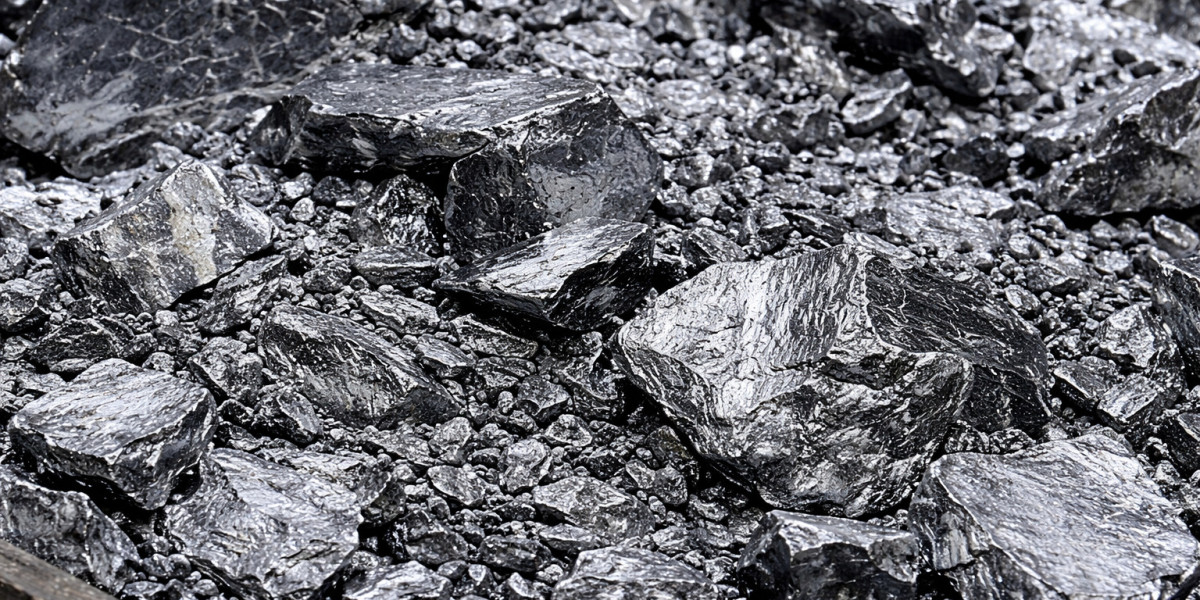

Graphite density refers to the mass of graphite per unit volume and is one of the most important physical properties of this carbon-based material. It directly influences mechanical strength, electrical conductivity, thermal resistance, and industrial performance. Graphite is a crystalline form of carbon known for its layered atomic structure and excellent conductive properties. The density of graphite typically ranges from 1.5 g/cm³ to 2.3 g/cm³ depending on the type, purity, and manufacturing process. Understanding graphite density is essential for selecting the right material in industries such as batteries, metallurgy, refractories, and electronics.
Atomic Structure and Its Effect on Density
Graphite consists of carbon atoms arranged in a hexagonal lattice structure. Within each layer, strong covalent bonds hold the carbon atoms together, while weak van der Waals forces connect the layers. This layered structure creates natural gaps between sheets, affecting overall density. When graphite is compressed or heat-treated, these gaps reduce, increasing density and improving strength. The degree of crystallinity and alignment of carbon layers significantly impacts final density values and performance characteristics.
Types of Graphite and Density Differences
There are three main types of graphite: natural graphite, synthetic graphite, and expanded graphite. Natural graphite, mined from the earth, usually has a density between 2.1 and 2.3 g/cm³ depending on flake size and purity. Synthetic graphite, produced from petroleum coke through high-temperature processing, typically has a density between 1.6 and 1.9 g/cm³. Expanded graphite has a much lower density because of increased porosity created during rapid heating. Each type is selected based on required density and application needs.
Factors Affecting Graphite Density
Several factors influence graphite density, including raw material quality, particle size, compaction pressure, heat treatment temperature, and porosity levels. Higher compaction pressure during manufacturing reduces air gaps and increases density. Heat treatment improves carbon bonding and structural alignment, further enhancing density. Impurities and void spaces decrease density and may reduce mechanical and conductive performance. Careful control of production parameters ensures consistent graphite density for industrial use.
Methods for Measuring Graphite Density
Graphite density can be measured using various techniques such as the Archimedes principle, mass-to-volume calculations, and helium pycnometry. True density measures the density of solid carbon excluding pores, while bulk density includes the total volume including voids. Bulk density is particularly important in applications like battery anodes and refractory blocks, where porosity influences performance. Accurate density measurement ensures quality control and reliable material selection.
Importance in Battery Applications
Graphite density plays a crucial role in lithium-ion battery technology. Graphite is widely used as an anode material because of its stable layered structure and ability to store lithium ions. Higher density graphite allows more active material within a compact space, increasing energy capacity. Proper density also ensures good conductivity and mechanical stability during repeated charging cycles. As battery demand grows, optimizing graphite density remains essential for improving performance and efficiency.
Role in Refractory and High-Temperature Industries
In refractory applications, graphite density determines resistance to thermal shock and structural durability under extreme heat. High-density graphite blocks are preferred for furnace linings, crucibles, and molds because they offer greater strength and reduced oxidation. Lower density graphite may be used where lightweight or insulating properties are required. Selecting appropriate density improves efficiency and extends service life in high-temperature environments.
Mechanical Strength and Density Relationship
There is a strong relationship between graphite density and mechanical strength. Higher density graphite generally provides better compressive strength, hardness, and wear resistance. It can withstand heavy loads and harsh operating conditions. Lower density graphite may offer flexibility but reduced structural integrity. Engineers evaluate density specifications carefully to achieve the desired balance between performance, durability, and cost.
Electrical and Thermal Conductivity
Graphite is known for its excellent electrical and thermal conductivity, and density plays a significant role in these properties. Higher density graphite contains fewer pores, allowing efficient electron flow and heat transfer. This makes dense graphite ideal for electrodes, conductive components, and heat exchangers. Proper density control ensures stable performance in high-current and high-temperature applications.
Environmental and Sustainability Considerations
Producing high-density graphite requires energy-intensive processes, especially in synthetic graphite manufacturing. Sustainable production methods and recycling initiatives are becoming increasingly important. Reusing graphite from industrial waste and battery recycling reduces environmental impact and conserves resources. Optimizing density also extends product lifespan, improving cost efficiency and sustainability.
Future Developments in Graphite Density Optimization
Research continues to focus on improving graphite density through advanced compaction techniques, nanotechnology, and innovative heat treatments. Enhanced density control can improve battery capacity, mechanical strength, and conductivity. As renewable energy systems and electric vehicles expand globally, graphite density optimization will remain a key factor in technological advancement.
Conclusion
Graphite density is a critical property that influences strength, conductivity, durability, and overall industrial performance. From battery technology to high-temperature refractory applications, controlling density ensures reliability and efficiency. Accurate measurement and advanced manufacturing techniques enable the production of high-quality graphite materials suited to modern industrial needs. Continuous innovation in graphite density optimization will support future developments in energy, electronics, and engineering sectors.