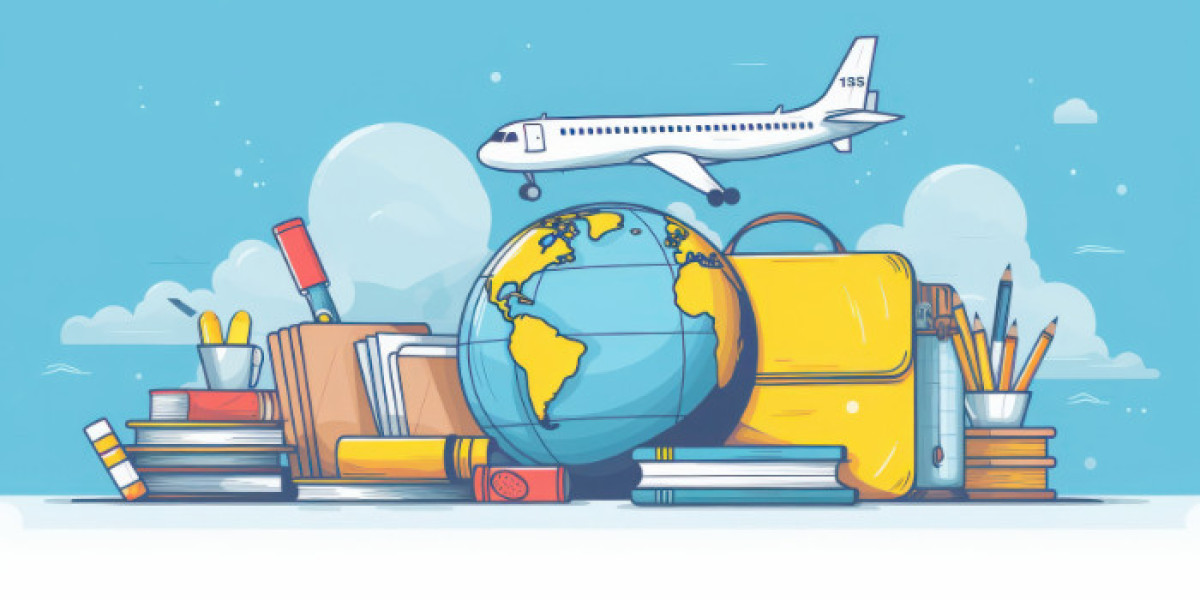

Pursuing higher education in the United States is a dream for thousands of Indian students every year. However, before you can step into an American classroom, you need to navigate the student visa application process. Understanding USA Student Visa Eligibility requirements is crucial to ensure a smooth application journey and increase your chances of approval.
Understanding USA Student Visa Eligibility
The F-1 visa is the most common student visa category for academic studies in the United States. To meet USA student visa eligibility criteria, you must first secure admission to a Student and Exchange Visitor Program (SEVP)-approved institution. Your school will issue a Form I-20, which serves as your Certificate of Eligibility for Nonimmigrant Student Status.
Beyond admission, USA Student Visa Eligibility requires demonstrating that you have sufficient financial resources to cover tuition fees and living expenses throughout your study period. You must also prove strong ties to India, convincing the visa officer that you intend to return home after completing your education. Additionally, you need to show English language proficiency and maintain full-time student status during your stay in the US.
Step-by-Step Application Process
Step 1: Receive Your I-20 Form Once accepted by a US institution, you'll receive your Form I-20. Review this document carefully as it contains important information about your program and estimated costs.
Step 2: Pay the SEVIS Fee Before scheduling your visa interview, pay the Student and Exchange Visitor Information System (SEVIS) I-901 fee online. Keep the receipt as proof of payment, which you'll need during your interview.
Step 3: Complete the DS-160 Form Fill out the Online Nonimmigrant Visa Application (Form DS-160) on the US Department of State website. This comprehensive form requires personal information, educational background, and travel history. After submission, print the confirmation page with the barcode.
Step 4: Schedule Your Visa Interview Create a profile on the US visa appointment system and schedule your interview at the nearest US Embassy or Consulate in India. Student visa appointments are typically available in New Delhi, Mumbai, Chennai, Kolkata, and Hyderabad. It's advisable to schedule well in advance, especially during peak seasons from May to August.
Step 5: Pay the Visa Application Fee Pay the non-refundable visa application fee (currently $185) through the designated payment methods. Retain your payment receipt for the interview.
Preparing for Your Visa Interview
Document preparation is critical for demonstrating USA Student Visa Eligibility. Bring your passport valid for at least six months beyond your intended stay, Form I-20, DS-160 confirmation page, visa fee receipt, SEVIS fee receipt, and a passport-sized photograph.
Financial documentation is equally important. Include bank statements, scholarship letters, education loan documents, sponsor affidavits, and income tax returns to prove you can afford your education without working illegally in the US.
Additionally, carry academic documents such as transcripts, standardized test scores (TOEFL, IELTS, GRE, GMAT), admission letters, and your study plan explaining why you chose this particular program and institution.
Interview Tips and Common Questions
During the interview, be honest, confident, and concise. Visa officers commonly ask about your chosen program, university selection, career plans after graduation, funding sources, and ties to India. Practice answering these questions beforehand, but ensure your responses sound natural rather than rehearsed.
Remember that meeting USA Student Visa Eligibility requirements doesn't guarantee approval, but thorough preparation significantly improves your chances. If denied, you can reapply after addressing the reasons for rejection.
Starting your application process early, maintaining organized documentation, and presenting yourself professionally during the interview will help you obtain your F-1 visa and begin your American educational journey successfully.