
For many, the aging process brings a subtle, gradual shift in how we perceive the world. Colors might seem a bit more muted, the glare from oncoming headlights becomes a daunting obstacle during night drives, and the fine print on a menu feels increasingly elusive. These aren't always just "signs of getting older"—they are the hallmark symptoms of cataracts.
Fortunately, we live in an era where vision restoration is not only possible but highly predictable. Modern medical advancements have transformed the way we approach eye health, making vision clarity more accessible than ever before.
What is Cataract Surgery?
To understand the surgery, one must first understand the condition. A cataract occurs when the eye’s natural lens, which sits behind the iris and pupil, becomes cloudy. This lens functions much like a camera lens, focusing light onto the retina to produce clear images.
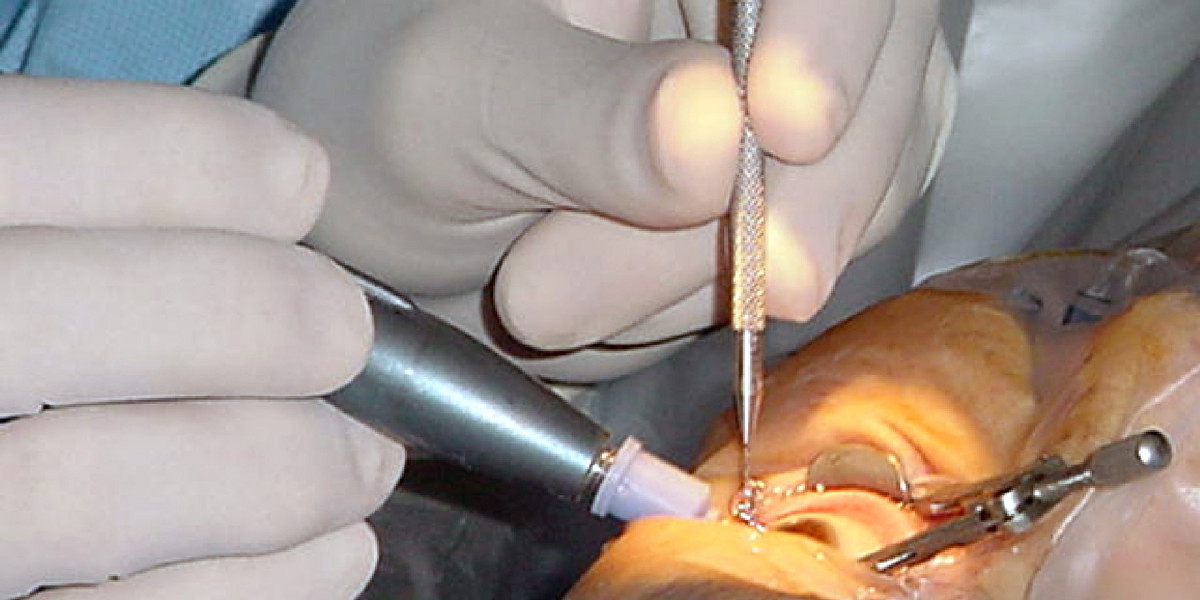
Over time, proteins in the lens begin to clump together, creating a "fog" that prevents light from passing through clearly. Cataract surgery is a micro-surgical procedure where this cloudy lens is removed and replaced with a clear, artificial lens called an Intraocular Lens (IOL).
Today, this is one of the most common and successful surgical procedures performed worldwide, typically completed as an outpatient procedure in under 30 minutes.
Common Causes and Risk Factors
While aging is the primary driver of cataract development—most people begin to show signs in their 60s or 70s—other factors can accelerate the process:
UV Exposure: Prolonged exposure to sunlight without proper UV protection can damage lens proteins.
Medical Conditions: Diabetes is a significant risk factor; high blood sugar can change the structure of the lens.
Medications: Long-term use of corticosteroid medications.
Lifestyle Factors: Smoking and excessive alcohol consumption have been linked to earlier onset.
Trauma: A previous eye injury can cause a cataract to develop years later.
Recognizing the Symptoms
Cataracts don’t happen overnight. They are slow-moving, often affecting one eye more significantly than the other. You should consult an eye specialist if you notice:
Cloudy or Blurry Vision: Often described as looking through a frosty or fogged-up window.
Sensitivity to Light: Glare from lamps or the sun can feel painful or overwhelming.
Halos: Seeing bright circles around light sources, especially at night.
Frequent Prescription Changes: Finding that your glasses or contacts "stop working" every few months.
Fading Colors: Whites may look yellowish or brownish, and vibrant colors lose their pop.
Modern Treatment Options: Beyond the Basics
The "gold standard" of treatment has evolved significantly. We no longer wait for a cataract to become "ripe" or completely opaque before operating. Instead, the decision is based on how much the condition interferes with your quality of life.
Phacoemulsification
This is the most common technique. The surgeon makes a tiny incision and uses ultrasonic waves to break the cloudy lens into microscopic pieces, which are then gently suctioned out.
Laser-Assisted Surgery
Some surgeons utilize femtosecond lasers to create the incisions and soften the cataract. This can offer a higher degree of precision and may reduce the amount of ultrasound energy required.
Choosing Your Lens (IOLs)
The replacement lens isn't "one size fits all." Patients can now choose from several options:
Monofocal Lenses: Designed for one distance (usually distance vision). You may still need reading glasses.
Multifocal/Trifocal Lenses: These provide multiple focal points, reducing the need for glasses at all distances.
Toric Lenses: Specifically designed to correct astigmatism.
Why Early Diagnosis Matters
While a cataract isn't a "medical emergency," delaying treatment indefinitely can make the eventual surgery more complex. As a cataract hardens, it requires more energy to remove.
Furthermore, poor vision increases the risk of falls and accidents, particularly in seniors. By addressing vision loss early, patients maintain their independence and significantly improve their mental well-being and social engagement.
Choosing the Right Eye Specialist
The success of your procedure depends largely on the expertise of your surgical team and the technology available at the facility. You want a specialist who performs a high volume of these procedures and takes the time to explain which IOL best fits your specific lifestyle—whether you're an avid golfer, a frequent reader, or someone who drives often at night.
When researching providers, look for clinics that prioritize comprehensive pre-operative screening. For those seeking world-class clinical expertise and advanced surgical technology, exploring specialized centers for cataract surgery can ensure you receive a personalized treatment plan tailored to your ocular health.
Frequently Asked Questions
1. Is cataract surgery painful?
No. The eye is numbed with local anesthetic drops or a small injection. While you might feel a slight sensation of pressure during the procedure, you should not feel pain. Most patients report only mild grittiness for a day or two afterward.
2. How long is the recovery period?
Most patients notice a significant improvement in vision within 24 to 48 hours. However, complete healing and stabilization of the eye's shape usually take about four to six weeks.
3. Can cataracts come back after surgery?
Technically, no. A cataract cannot grow on an artificial lens. However, some patients develop "secondary cataracts" (Posterior Capsule Opacification), where the membrane holding the lens becomes cloudy. This is easily fixed with a quick, non-surgical laser treatment called a YAG capsulotomy.
4. Will I still need glasses after the procedure?
This depends on the type of IOL you choose. While monofocal lenses often require reading glasses, premium multifocal lenses can significantly reduce or even eliminate your dependence on spectacles.
Conclusion
The journey from cloudy vision back to clarity is one of the most rewarding transformations in modern medicine. Cataract surgery is no longer just about "fixing" a problem; it is about enhancing your lifestyle and ensuring you don't miss out on the vibrant details of the world around you. If your vision is holding you back, the first step is a simple eye exam.
Would you like me to help you draft a checklist of questions to ask your ophthalmologist during your first consultation?
Medical Disclaimer: This content is for informational purposes only and does not constitute medical advice, diagnosis, or treatment. Always seek the advice of your physician or other qualified health provider with any questions you may have regarding a medical condition.