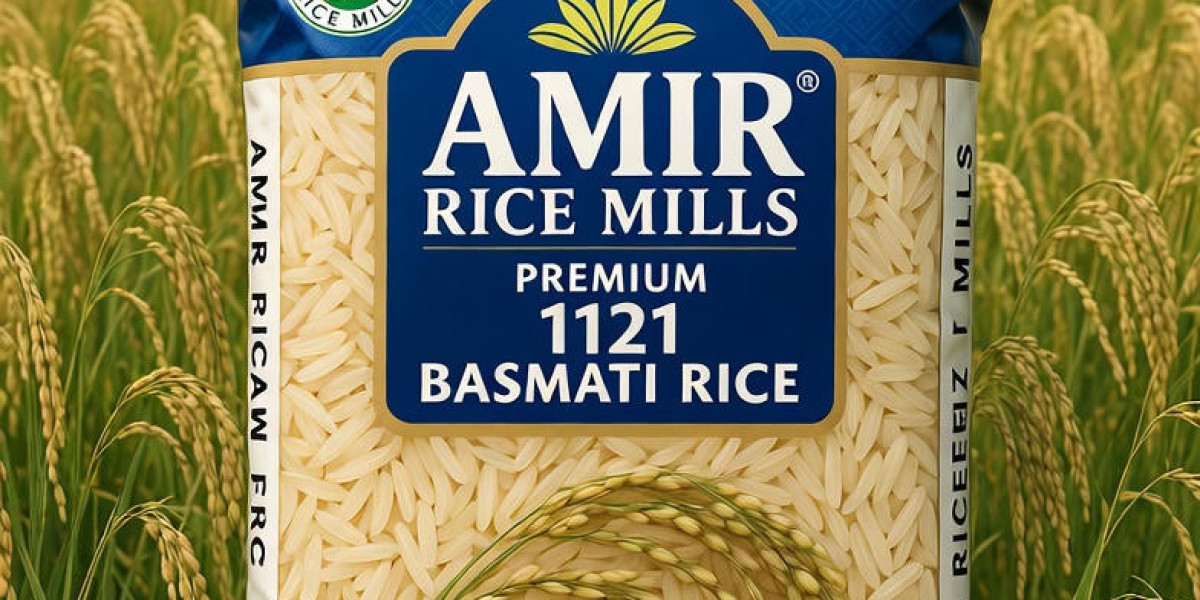

Private-label demand for premium rice is rising fast, and global buyers are turning to "pakistan rice" because of its aroma, consistency, and long-grain excellence. Whether you’re building a new brand or upgrading an existing product line, choosing the right supplier in Pakistan is the make-or-break decision that determines your brand’s success in international markets.
Pakistan is home to the world’s most authentic Basmati, and buyers entering the private-label space must understand exactly what shapes quality, pricing, and supplier reliability. This is your complete guide — built for importers who want to make confident, profit-driven decisions.
Why Pakistan Is the Center of Global Basmati Private Labeling
Pakistan holds an unmatched reputation for producing naturally aromatic, long-grain basmati that retail chains, wholesalers, and distributors rely on for consistent quality. In private labeling, grain performance, aroma, purity, and milling precision matter far more than price — and Pakistan has become the most dependable source for all four.
Leading pakistan rice brands supply to dozens of countries because they maintain high standards, advanced milling technology, and clean grading processes. Importers who choose Pakistan gain access to reliable crop quality, export-focused mills, and stable long-term supply.
1. Understand What Makes Basmati Unique
Before selecting a supplier, importers must understand what gives basmati its signature quality. Authentic Basmati grains expand significantly during cooking, release a natural aroma, and maintain a firm texture. This profile creates strong demand in retail and horeca (hotel, restaurant, catering) markets.
When launching a private-label brand, these factors influence:
customer repeat purchases
cooking performance
product reviews
long-term brand reputation
Any supplier you choose must consistently deliver true, certified basmati — not blended or diluted variants.
2. Supplier Transparency in Milling & Grading
Private-label success requires consistency — not occasional quality.
Top suppliers follow strict grading protocols, ensuring that every batch maintains identical quality.
Evaluate suppliers based on:
polishing quality
broken percentage
grain uniformity
aroma consistency
aging processes
impurity removal system
Amir Rice Mills, for example, invests heavily in advanced milling, which gives buyers dependable, premium-grade output ideal for private-label brands.
3. Packaging & Private Label Flexibility
Private-label buyers need flexibility. Packaging shapes brand identity, shelf appeal, and market positioning. Suppliers should offer:
custom bag sizes
brand-printed packaging
multi-layer, moisture-resistant bags
export-grade sealing
retail-ready pouches and sacks
The more flexible a supplier is with customization, the stronger your private-label positioning will be.
4. Evaluate Certifications and Global Compliance
Any private-label importer must review compliance standards. Reputable suppliers hold certifications such as:
ISO
HACCP
GMP
SGS verification
Phytosanitary clearance
These certifications confirm that the supplier can meet international hygiene, safety, and shipment-quality standards.
5. Compare Pakistan Rice Brands for Benchmarking
Not all suppliers offer the same expertise or consistency.
Smart buyers compare upcoming mills with well-known pakistan rice brands to understand:
pricing structure
polishing quality
packaging options
grain consistency
export experience
Benchmarking helps you avoid inexperienced suppliers and partner with mills that maintain global demand standards.
6. Quality Assurance & Batch Traceability
Private-label buyers must focus on batch-level traceability.
Leading suppliers maintain clear documentation that shows:
harvest origin
processing timeline
storage conditions
shipment batch details
This added layer of transparency protects your brand reputation and ensures you consistently deliver premium products.
7. Long-Term Supply Stability
A private-label rice brand cannot risk frequent quality changes or unpredictable shipments. Pakistan’s established milling infrastructure provides long-term stability — but only if you choose a supplier with strong seasonal planning and adequate storage capacity.
Look for:
large raw rice storage
modern warehouses
stable annual volumes
reliable export scheduling
This ensures your brand maintains continuity in global markets.
Final Thoughts: Choose a Supplier Who Elevates Your Brand
Basmati private labeling demands commitment, precision, and a trustworthy sourcing partner. When you work with the right Pakistani supplier, you gain more than rice — you gain brand confidence, market stability, and long-term value.
Amir Rice Mills stands out as a supplier that blends heritage, technology, and export-grade reliability. If your goal is to build a private-label basmati brand that buyers respect, Pakistan is the right origin — and choosing the right supplier is your key advantage.