
Choosing the right hosting solution is one of the most important decisions for any website owner. Whether you’re launching a startup, running an eCommerce store, or managing enterprise applications, your hosting choice directly impacts performance, security, scalability, and cost.
In this guide, we’ll break down web cloud hosting vs traditional hosting, explain their key differences, and help you decide which option best fits your business needs.
What Is Traditional Hosting?
Traditional hosting typically includes shared hosting, VPS (Virtual Private Server), or dedicated servers hosted on a single physical machine or within a single data center.
How Traditional Hosting Works
Your website lives on one server
Resources (CPU, RAM, storage) are fixed
Scaling often requires manual upgrades or server migration
Common Use Cases
Traditional hosting is often used by:
Small blogs or brochure websites
Local businesses with predictable traffic
Projects with limited budgets and simple requirements
Many providers such as Bluehost and HostGator built their reputation on reliable traditional hosting plans.
What Is Web Cloud Hosting?
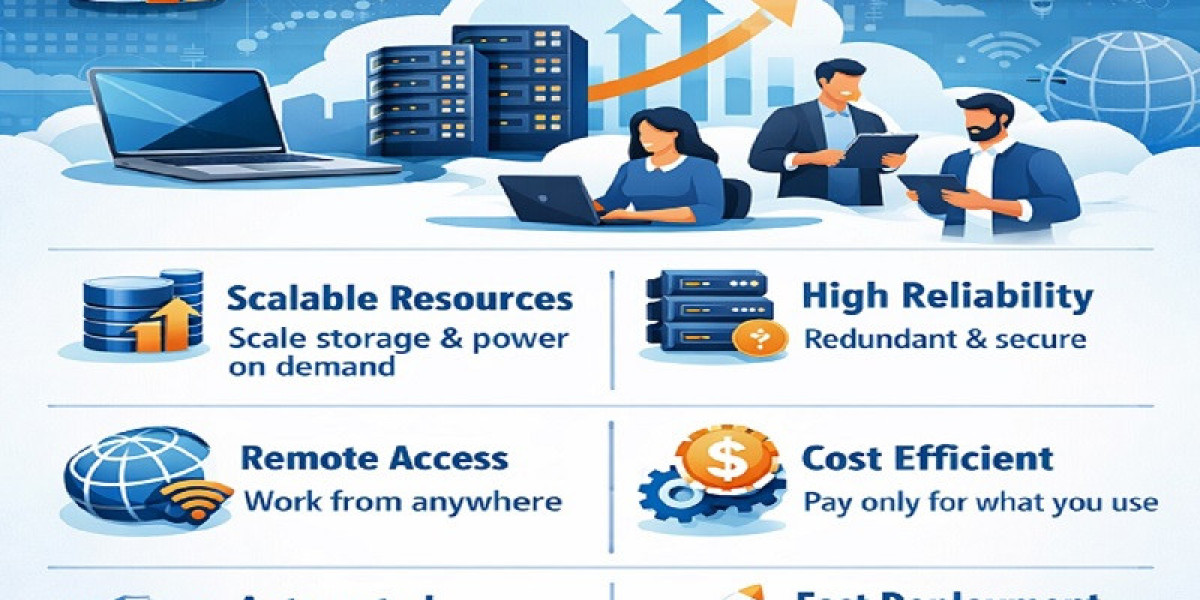
Web cloud hosting distributes your website across multiple interconnected servers instead of relying on a single machine. Resources are pooled and dynamically allocated based on demand.
How Cloud Hosting Works
Your site runs on a network of virtual servers
Traffic spikes are handled automatically
If one server fails, another instantly takes over
Major cloud platforms like Amazon Web Services and Google Cloud Platform pioneered this model for performance, resilience, and scalability.
Key Differences Between Cloud Hosting and Traditional Hosting
1. Performance and Reliability
Traditional Hosting:
Performance depends on one server. If it experiences downtime or overload, your website is affected.
Cloud Hosting:
Traffic is balanced across multiple servers, ensuring faster load times and near-zero downtime. This makes cloud hosting ideal for high-traffic or mission-critical websites.
Real-world example: An eCommerce store during a holiday sale is far less likely to crash on cloud hosting than on a single shared server.
2. Scalability and Flexibility
Traditional Hosting:
Scaling requires upgrading plans, migrating servers, or manual configuration—often with downtime.
Cloud Hosting:
Resources scale automatically in real time. You only use what you need, when you need it.
Actionable tip:
If your traffic fluctuates seasonally or unpredictably, cloud hosting provides built-in flexibility without operational headaches.
3. Cost Structure
Traditional Hosting:
Typically offers fixed monthly pricing. It’s affordable upfront but can become inefficient as your needs grow.
Cloud Hosting:
Uses a pay-as-you-go model. You’re billed based on actual resource usage.
While cloud hosting may appear more expensive at first, it often delivers better ROI for growing businesses by eliminating over-provisioning.
4. Security and Data Protection
Traditional Hosting:
Security depends heavily on the single server’s configuration and maintenance.
Cloud Hosting:
Includes built-in redundancy, automated backups, and advanced security tools such as firewalls, DDoS protection, and real-time monitoring.
From an EEAT perspective, cloud providers invest heavily in compliance, certifications, and infrastructure security—something smaller traditional setups may struggle to match.
5. Management and Control
Traditional Hosting:
Simpler dashboards and fewer configuration options. Best for beginners who want a hands-off approach.
Cloud Hosting:
More control and customization, but may require technical expertise or managed cloud services.
Actionable tip:
If you lack in-house technical skills, choose a managed cloud hosting provider to get the benefits without the complexity.
Which Hosting Is Right for You?
Choose traditional hosting if:
You’re running a small website or personal blog
Traffic is low and predictable
Budget is your top priority
Choose web cloud hosting if:
Your business is growing or scaling fast
You need high availability and performance
Downtime could directly impact revenue or trust
Final Thoughts
The debate between web cloud hosting vs traditional hosting isn’t about which is “better” overall—it’s about what’s right for your current goals and future growth.
Traditional hosting offers simplicity and affordability, while cloud hosting delivers scalability, resilience, and enterprise-grade performance. Understanding these key differences empowers you to make a confident, future-proof decision.
If growth, reliability, and user experience matter to your business, cloud hosting is no longer just an option—it’s a strategic advantage.