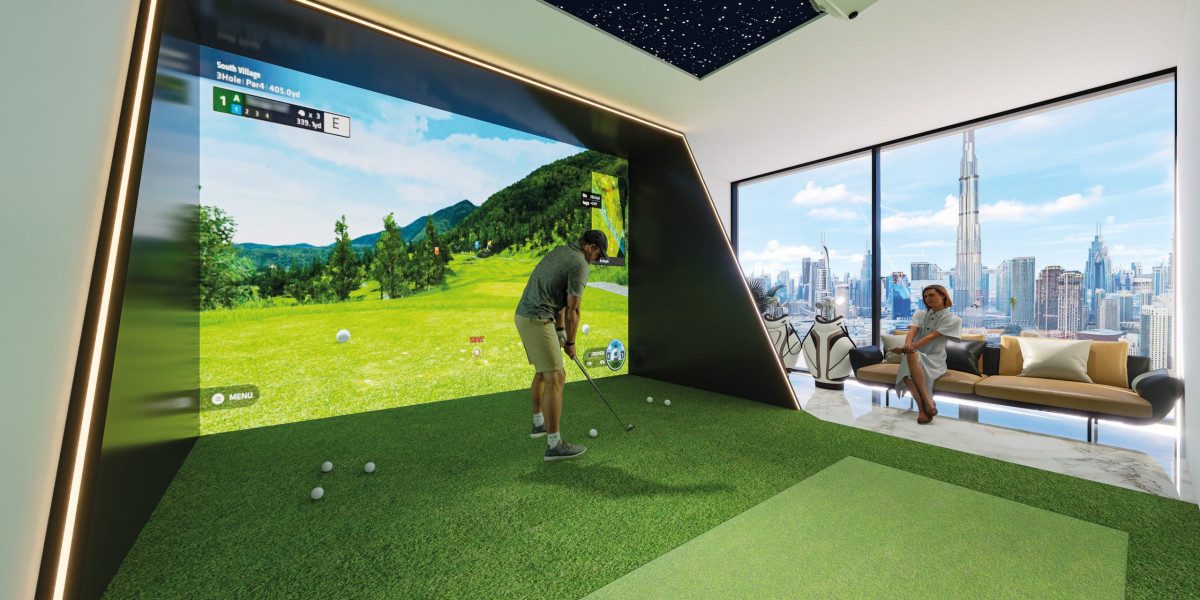

Golf simulators have moved far beyond novelty status. They are now used for skill development, entertainment, professional practice, and even commercial ventures. Whether installed in a private residence, training studio, or hospitality venue, the total investment can vary widely. Some setups are surprisingly affordable, while others rival the cost of luxury renovations. Understanding what shapes the final price helps buyers make informed decisions and avoid unexpected expenses.
This article breaks down every major factor that contributes to the overall cost of a golf simulator, from hardware and software to space preparation and long-term maintenance.
Understanding the Core Concept
A golf simulator is a technology-driven environment that recreates real-world playing conditions inside an enclosed space. It tracks ball movement, club interaction, and shot data, then displays results on a digital course. The experience depends on multiple integrated elements working together seamlessly. Because each component comes with its own pricing range, the final figure depends on how advanced or basic the system is.
Launch Monitoring Technology
The tracking system is the heart of any simulator. It measures swing speed, launch angle, spin rate, distance, and accuracy. Different technologies exist, and each significantly influences cost.
Camera-based systems rely on high-speed imaging to capture ball behavior. These setups deliver precise feedback but require controlled lighting and careful calibration. Radar-based options use signal reflection to calculate motion data and often perform better in larger rooms. Hybrid models combine both approaches, offering premium accuracy at a higher price point.
Greater precision, faster processing, and advanced metrics increase the overall investment. Entry-level tracking may suit casual users, while competitive players often prefer professional-grade analysis.
Projection and Display Setup
Visual output defines immersion. A simulator can use a projector, large television, or LED display wall. Each option affects both experience quality and budget.
High-resolution projectors provide realistic visuals and wide viewing angles. Short-throw models reduce shadows and fit smaller spaces but often cost more. Display panels are simpler to install, though they limit screen size and realism. Brightness, contrast, refresh rate, and image clarity all influence pricing.
In addition, mounting hardware, cabling, and alignment adjustments add to installation expenses.
Impact Screen and Enclosure Materials
The hitting surface must withstand repeated high-speed shots while displaying visuals clearly. Impact screens are engineered using layered fabrics that absorb force and reduce rebound. Thicker materials last longer but increase upfront cost.
Enclosures protect walls, ceilings, and surrounding areas. Options range from basic netting to fully framed structures with padded panels. Custom-fit builds designed for specific room dimensions cost more than standard kits. Acoustic treatment for noise reduction can also raise the total.
Hitting Mats and Turf Quality
The ground surface plays a major role in comfort and realism. Entry-level mats offer durability but may feel harsh over time. Premium turf mimics fairway resistance and allows realistic interaction with irons and wedges.
Some designs include interchangeable hitting strips to reduce strain and extend lifespan. Additional turf sections for stance positioning enhance authenticity but require more space and expense.
Software Features and Licensing
Simulation software determines how the experience feels beyond the physical setup. Basic programs offer driving ranges and limited virtual courses. Advanced platforms include multiplayer modes, skill challenges, performance analytics, and detailed practice tools.
Licensing models vary. Some require one-time purchases, while others involve annual subscriptions. Ongoing fees can add up, especially when updates, new environments, or online features are included.
More realistic graphics, physics accuracy, and data visualization typically increase software costs.
Computer Hardware Requirements
A powerful computer is essential for smooth operation. Processing speed, graphics capability, memory, and storage all influence performance. Entry-level systems may struggle with high-resolution visuals or advanced physics engines.
Higher-end setups require dedicated graphics cards and modern processors to prevent lag and ensure accurate shot rendering. Accessories such as cooling systems, surge protection, and backup storage further add to the total expense.
Room Size and Space Preparation
The physical environment directly affects cost. Ceiling height, room width, and depth must meet minimum requirements to allow safe swings. Insufficient space may require structural modifications.
Renovations could include ceiling reinforcement, wall padding, flooring upgrades, or lighting adjustments. Electrical work for power outlets and network connections also contributes to expenses. Spaces with irregular layouts often need custom solutions, increasing labor and material costs.
Installation and Calibration Services
Professional installation ensures accuracy and safety. This process includes mounting equipment, aligning sensors, configuring software, and testing performance. While some systems allow self-setup, professional assistance reduces errors and long-term issues.
Calibration is essential for reliable data. Initial tuning may be included, but future adjustments could require additional service fees. Complex installations take longer and involve higher labor costs.
Audio and Environmental Enhancements
Sound adds realism. Speakers, amplifiers, and acoustic treatments create immersive feedback for club impact and course ambience. Optional features such as ambient lighting, themed décor, or climate control enhance comfort but increase spending.
These elements are not essential for functionality, yet they significantly affect enjoyment and overall atmosphere.
Customization and Aesthetic Design
Personalization raises the price. Custom enclosures, branded visuals, decorative finishes, and tailored layouts require specialized materials and craftsmanship. Commercial venues often invest more in aesthetics to attract users and create a premium environment.
Residential installations may also include seating, storage units, or multi-purpose room integration, adding to the final figure.
Maintenance and Replacement Costs
Long-term ownership involves ongoing expenses. Impact screens wear over time and require replacement. Mats degrade with repeated use. Software subscriptions must be renewed, and hardware components may need upgrades.
Dust management, sensor cleaning, and occasional recalibration ensure consistent performance. Budgeting for maintenance prevents unexpected financial strain.
Intended Usage and User Profile
Purpose plays a key role in cost determination. Casual recreation requires fewer features, while competitive training demands high-precision data and advanced analysis. Commercial use introduces additional requirements such as durability, safety compliance, and multi-user support.
Higher usage frequency accelerates wear, increasing maintenance and replacement costs. Systems designed for heavy traffic are built with stronger materials, which raises initial investment.
Scalability and Future Expansion
Some buyers plan for growth. Modular systems allow upgrades over time, such as adding new software modules, enhanced sensors, or improved visuals. While scalable designs may cost more initially, they reduce the need for full replacement later.
Future-proofing through compatible hardware and flexible layouts can be a smart financial decision.
Geographic and Logistics Factors
Shipping, import duties, and local labor rates influence total expenditure. Remote locations or limited access spaces may require additional logistics planning. Regional regulations can also affect installation requirements, impacting cost.
Balancing Budget and Performance
Choosing the right simulator is about balance. Spending more does not always guarantee better results if features exceed actual needs. Evaluating priorities—such as realism, data depth, entertainment value, or space efficiency—helps narrow options.
A well-planned setup focuses on essential components first, then adds enhancements as budget allows.
Final Thoughts
Golf simulator pricing is shaped by far more than a single device. It reflects a combination of technology, space, customization, and long-term considerations. Understanding each contributing factor allows buyers to plan realistically and avoid unnecessary expenses.
Whether building a simple practice corner or a fully immersive virtual course, clarity around cost drivers ensures a smarter investment. With careful planning and thoughtful choices, a home golf simulator can deliver lasting value, enjoyment, and performance improvement without financial surprises.