
CATI Services: A Complete Guide to Telephone-Based Market Research
In an increasingly digital environment, structured telephone interviews remain a reliable method for collecting high-quality data. CATI Services (Computer-Assisted Telephone Interviewing) combine human interaction with computer-guided systems to deliver accurate, consistent, and efficient research outcomes.
This guide explains what CATI services are, how they work, their advantages, and when they are most appropriate.
What Are CATI Services?
CATI (Computer-Assisted Telephone Interviewing) refers to a research method where trained interviewers conduct structured telephone surveys using computer-programmed questionnaires.
The interviewer follows a digital script displayed on a screen, ensuring that each question is asked consistently and responses are recorded directly into the system.
Key Features of CATI:
Automated skip logic and routing
Built-in range and validation checks
Quota management controls
Mandatory response settings
Real-time digital data capture
This structured approach reduces manual errors and improves overall data reliability compared to unstructured phone surveys.
How CATI Market Research Services Work
Professional CATI projects follow a systematic process to maintain quality and efficiency.
1. Questionnaire Programming
The survey is converted into a computer-guided script with embedded logic checks, validations, and routing rules. This ensures smooth interview flow and consistent data collection.
2. Interviewer Training
Interviewers receive training on:
Study objectives
Screening criteria
Neutral questioning techniques
Probing methods
Respondent handling
Proper training ensures professionalism and minimizes bias during interviews.
3. Live Telephone Interviews
Interviewers conduct structured phone calls using the programmed questionnaire. They can clarify questions, probe for complete answers, and ensure respondents fully understand complex topics.
This makes CATI especially useful for B2B research and detailed surveys.
4. Real-Time Monitoring and Quality Control
Supervisors monitor fieldwork performance, including:
Length of interview (LOI)
Quota progress
Call outcomes (refusals, callbacks, no response)
Script adherence and interviewer tone
This oversight enhances data integrity and operational transparency.
5. Data Cleaning and Delivery
After fieldwork, clients typically receive:
Clean, structured datasets (Excel, CSV, SPSS-ready formats)
Codebooks and documentation
Fieldwork summaries
Optional topline insights
The result is analysis-ready data suitable for reporting and strategic decision-making.
Why Businesses Use CATI Services
Organizations choose CATI for its balance of speed, structure, and control.
Key Advantages:
Wide geographic reach without travel
Faster turnaround due to direct digital capture
Reduced data entry errors
Real-time supervision and visibility
Better clarification compared to online surveys
More structured than informal phone interviews
CATI is particularly effective when online response rates are low or when respondents prefer direct interaction.
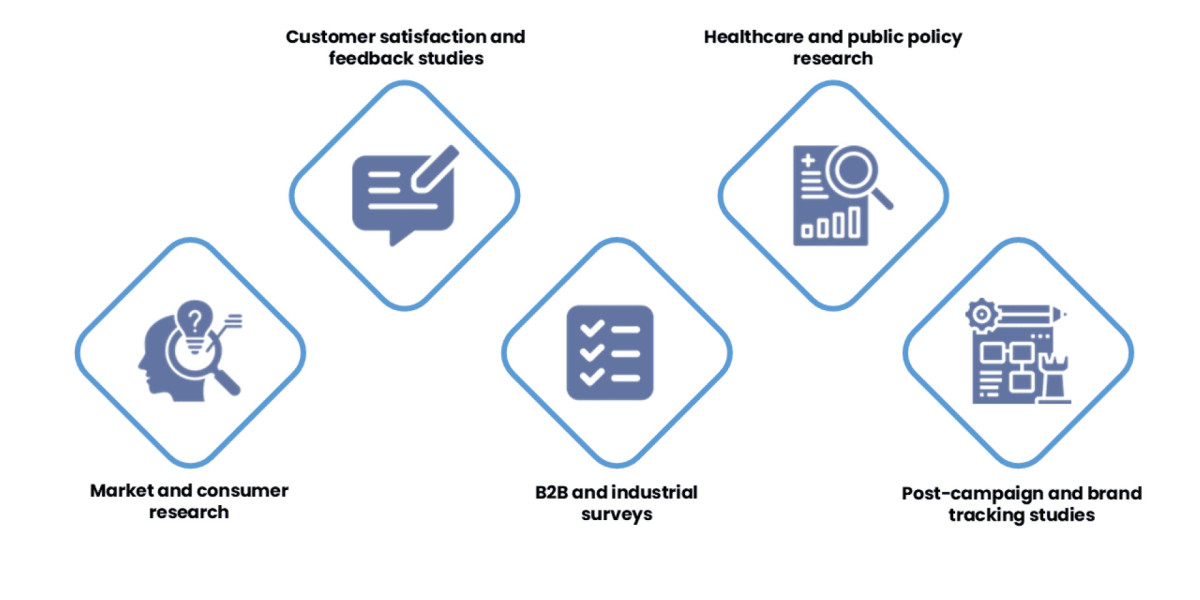
Common real-life applications of CATI