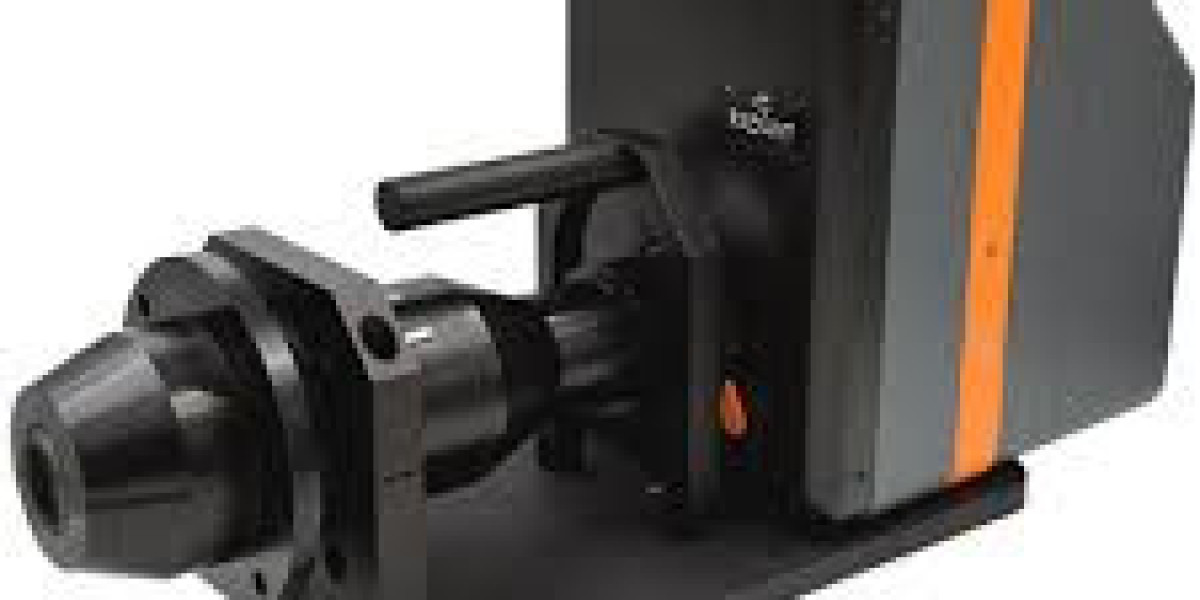

The Measurement Problem in Display Inspection
Inconsistent Viewing Angle Data
Display manufacturers must measure brightness, contrast, and color shift at different angles. Traditional camera lenses or simple optical setups often give unstable or limited angle data.
This leads to inaccurate test results, product rejection, or inconsistent quality control. For engineers and quality teams, precise angular measurement is essential.
What Is a High-Precision Conoscope Lens?
Working Principle of Conoscopic Imaging
A conoscope lens captures angular light distribution from a display or light source. It converts angle information into spatial information on an image sensor.
Instead of moving the display or detector mechanically, the lens collects light from multiple angles at the same time. This allows fast and accurate measurement.
Advanced conoscope lens systems are widely used in LCD, OLED, and micro-display testing environments.
Problems with Traditional Measurement Methods
Mechanical Goniometer Systems
Slow measurement process
Mechanical alignment errors
High maintenance cost
Standard Camera Lenses
Limited angular capture range
Distortion at wide angles
Inconsistent measurement results
For display manufacturers, these limitations reduce testing efficiency and affect production speed.
How Conoscope Lens Technology Solves These Issues
Conoscope lens technology improves testing performance by:
Capturing full angular distribution in one measurement
Eliminating mechanical rotation systems
Reducing alignment errors
Increasing testing speed
Improving data accuracy
The lens maps angle distribution directly onto the sensor. This reduces system complexity and improves repeatability.
For manufacturers upgrading inspection systems, a high-quality conoscope lens improves both accuracy and productivity.
Key Technical Features Important for Engineers
Wide Angular Capture
Measures large viewing angles in a single image.
High Optical Precision
Maintains low distortion and accurate angular mapping.
Stable Calibration
Supports long-term measurement reliability.
Compact Integration
Fits into automated inspection systems.
High Transmission Efficiency
Reduces light loss and improves signal clarity.
These features directly influence measurement consistency and production quality.
Conoscope Lens vs Goniometer vs Standard Lens
| Feature | Conoscope Lens | Goniometer | Standard Lens |
|---|---|---|---|
| Measurement Speed | Very Fast | Slow | Moderate |
| Mechanical Movement | No | Yes | No |
| Angular Coverage | Wide | Wide | Limited |
| System Complexity | Low | High | Moderate |
| Accuracy Stability | High | Moderate | Moderate |
This comparison shows why conoscopy is widely adopted in advanced display testing labs.
Real Industry Applications
Conoscope lenses are used in:
LCD and OLED panel inspection
Micro-display measurement
AR/VR optical testing
Backlight module evaluation
Optical material research
In these industries, accurate viewing angle measurement directly affects product quality and market acceptance.
Why Manufacturers Prefer Conoscope Lens Solutions
Manufacturers prefer conoscope lens systems because they offer:
Faster production line testing
Higher measurement repeatability
Reduced equipment complexity
Lower maintenance costs
Improved quality control accuracy
In competitive display markets, small differences in viewing angle performance can impact brand reputation. Reliable measurement tools are essential.
How to Choose the Right Conoscope Lens
When selecting a conoscope lens, consider:
Required angular range
Sensor compatibility
Calibration stability
Optical distortion level
System integration requirements
Environmental operating conditions
Engineers should also evaluate supplier manufacturing precision and technical support capability.
Selecting the correct lens ensures consistent inspection performance and smooth integration into automated systems.
Conclusion
Accurate viewing angle measurement is critical in modern display manufacturing. Traditional mechanical goniometers and standard lenses often fail to provide the speed and stability required for high-volume production.
conoscope lens technology solves these challenges by capturing full angular data in a single measurement. It improves accuracy, reduces system complexity, and increases inspection efficiency. For B2B buyers, engineers, and manufacturers, investing in high-precision conoscopy solutions strengthens quality control and product competitiveness.
Choosing the right conoscope lens is not only a technical upgrade. It is a strategic decision for delivering reliable, high-performance display products.