
For many law firms, revenue loss doesn’t stem from a lack of work—it comes from inefficient billing and collection processes. Delayed invoices, vague time entries, billing disputes, and write-offs quietly erode profitability. In today’s increasingly competitive legal landscape, firms can no longer afford manual or fragmented billing systems.
This is where legal billing software plays a critical role. By automating, standardizing, and optimizing billing workflows, the right solution can dramatically improve cash flow while strengthening client trust.
Why Revenue Collection Is a Persistent Challenge for Law Firms
Legal billing is inherently complex. Firms must track billable hours accurately, comply with client billing guidelines, and issue invoices promptly—all while maintaining transparency.
Common challenges include:
Time entries recorded late or inaccurately
Invoices delayed due to manual review cycles
Billing disputes caused by unclear descriptions
Poor visibility into accounts receivable
Each of these issues slows revenue collection and increases administrative burden. Over time, they can also damage client relationships.
How Legal Billing Software Improves Cash Flow
Modern legal billing software is designed specifically to address these pain points. Rather than acting as a simple invoicing tool, it supports the entire revenue lifecycle—from time capture to payment reconciliation.
1. Accurate and Timely Time Tracking
Missed or reconstructed time entries are a major source of lost revenue. Legal billing software allows attorneys to record time in real time, often directly from their calendars, documents, or mobile devices.
Actionable tip: Encourage lawyers to use timers or same-day entry features to reduce leakage and improve billing accuracy.
Real-world example: A mid-sized litigation firm reduced unbilled time by over 10% after implementing automated time capture, resulting in a measurable increase in monthly revenue without taking on additional work.
2. Faster, More Consistent Invoicing
Manual invoice preparation often leads to delays and inconsistencies. Legal billing software automates invoice generation using predefined templates and billing rules, ensuring accuracy and speed.
Invoices go out faster, which means payment cycles begin sooner.
Actionable tip: Set recurring billing schedules and approval workflows to eliminate bottlenecks at month-end.
3. Reduced Billing Disputes Through Transparency
Clients are more likely to delay or dispute invoices when line items are vague or non-compliant with agreed billing guidelines. Legal billing software enforces standardized descriptions and flags potential issues before invoices are sent.
Clear, detailed invoices build trust and reduce time spent on rework.
4. Better Management of Accounts Receivable
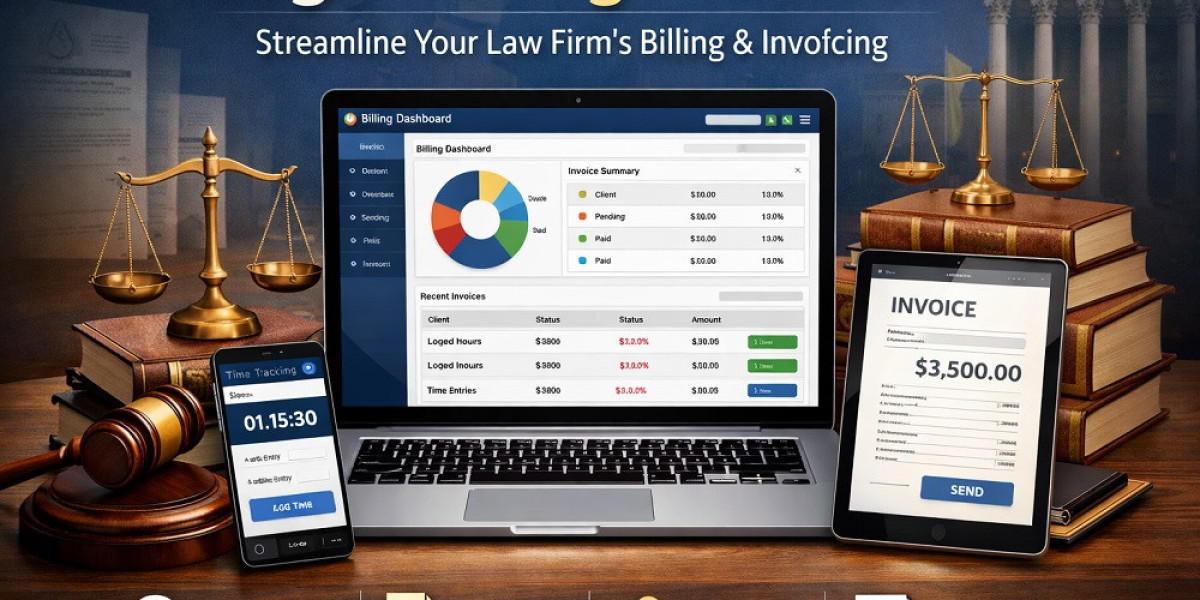
Visibility is essential for effective revenue collection. Legal billing software provides real-time dashboards showing outstanding balances, aging invoices, and payment trends.
With this data, firms can proactively follow up on overdue accounts instead of reacting weeks—or months—later.
Actionable tip: Use automated reminders for upcoming or overdue invoices to maintain professionalism while improving collection rates.
Supporting Compliance and Client Expectations
Many corporate clients impose strict billing requirements, such as LEDES formats or specific task codes. Failing to comply often results in rejected invoices and delayed payments.
Legal billing software helps firms stay compliant by validating invoices against client guidelines before submission. This not only accelerates approval but also reinforces the firm’s reputation for professionalism and reliability.
Enhancing the Client Experience While Collecting Revenue
Improving revenue collection doesn’t mean being aggressive—it means being efficient and transparent. Client portals within legal billing software allow clients to view invoices, track payments, and ask questions in one centralized location.
This level of accessibility reduces friction and strengthens long-term relationships, which ultimately supports sustainable revenue growth.
Choosing the Right Legal Billing Software
Not all solutions are created equal. When evaluating legal billing software, firms should look for:
Strong time tracking and automation features
Customizable billing rules and templates
Robust reporting and analytics
Secure, compliant data handling
Scalability as the firm grows
A solution that aligns with your firm’s workflows will deliver faster adoption and better financial outcomes.
Final Thoughts
Improving revenue collection isn’t about working harder—it’s about billing smarter. Legal billing software empowers law firms to capture more billable time, invoice faster, reduce disputes, and gain control over cash flow.
By investing in the right tools and processes, firms can protect their revenue, improve operational efficiency, and build stronger, more transparent client relationships. In an environment where every billable hour counts, legal billing software is no longer optional—it’s essential.