
Vacuum pumps are essential components in industries such as pharmaceuticals, chemical manufacturing, electronics, and food packaging. They create controlled vacuum environments that ensure accuracy, efficiency, and contamination-free operations.
Like all mechanical systems, vacuum pumps are subject to wear and tear. Regular servicing is crucial to maintaining performance and extending service life. Proper maintenance reduces downtime, improves energy efficiency, and enhances operational predictability—helping industries maintain productivity and reliability.
Why Regular Vacuum Pump Servicing is Essential
Vacuum pump servicing is essential because these pumps often operate under harsh conditions such as high pressure, high temperature, and varying loads. Without regular servicing, several issues can arise.:
Mechanical wear of bearings, vanes, rotors, and seals.
Contamination from dust, moisture, or chemical vapors that damage internal components.
Poor lubrication in oil-sealed pumps, leading to increased friction and overheating.
Corrosion of metal components caused by reactive chemicals or humidity.
Misalignment or vibration resulting from improper installation or overuse.
Regular service prevents these problems, ensuring consistent operation and reducing the likelihood of sudden breakdowns.
Signs That Indicate a Vacuum Pump Needs Servicing
Early detection of potential issues can prevent costly repairs or replacements. Common warning signs include:
Poor vacuum performance due to leaks or worn components.
Unusual sounds such as rattling, squealing, or grinding.
Excessive overheating caused by lubrication failure or internal friction.
Oil leaks that signal damaged seals or gaskets.
Increased vibration indicating imbalance, misalignment, or worn parts.
Timely maintenance before these symptoms worsen helps extend the life of the equipment and prevent major failures.
Servicing Methods for Different Types of Vacuum Pumps
Rotary Vane Pumps
Replace vanes, check seals, and replenish the lubrication system.
Rotary Piston Pumps
Inspect cylinders, verify piston alignment, and replace gaskets if necessary.
Diaphragm Pumps
Replace diaphragms, check valves, and ensure material compatibility with process chemicals.
Scroll Pumps
Inspect interlocking spirals, replace tip seals, and check bearings.
Understanding the type of pump allows technicians to apply the correct service approach, minimizing downtime and maximizing equipment life.
Step-by-Step Vacuum Pump Servicing Procedure
Inspection and Diagnosis – Examine vanes, rotors, bearings, seals, and lubrication systems for wear or inefficiency.
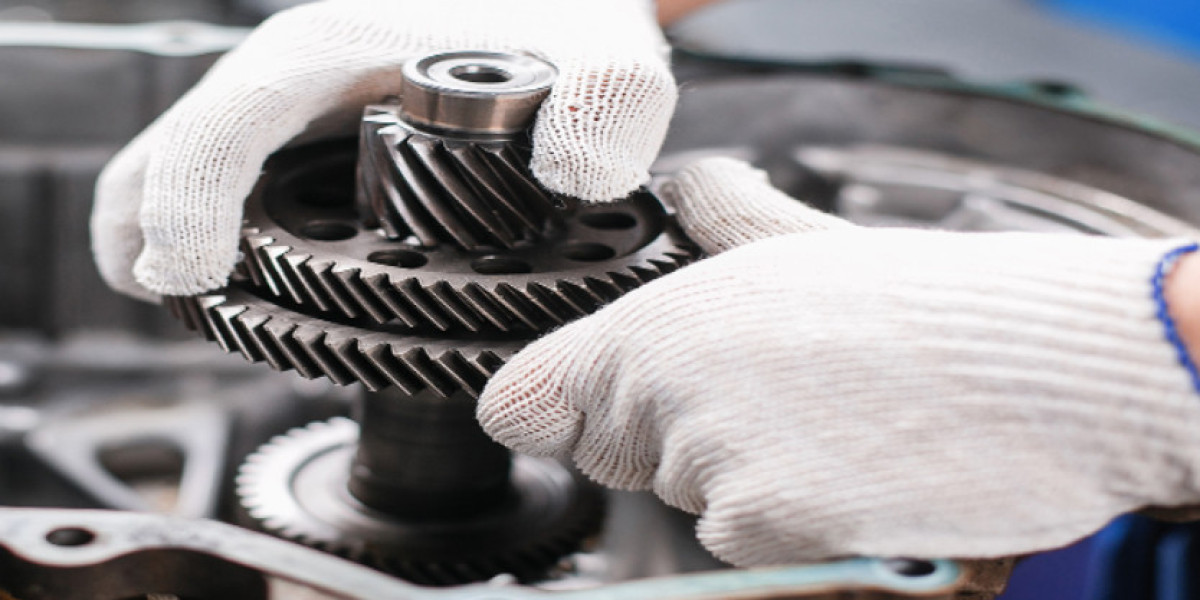
Disassembly – Carefully dismantle the pump, clean components, and inspect each part for damage.
Component Replacement or Refurbishment – Replace worn parts such as bearings, seals, vanes, or diaphragms.
Reassembly – Reinstall all components with precise alignment to ensure smooth operation.
Lubrication and Oil Filling – Add new high-quality oil in oil-sealed systems for proper lubrication and sealing.
Testing and Calibration – Perform vacuum, pressure, noise, and vibration tests according to manufacturer specifications.
Final Quality Check – Verify that the pump operates efficiently and meets performance standards.
Following this systematic process ensures stable, reliable, and long-term performance.
Benefits of Regular Vacuum Pump Servicing
Extended equipment lifespan through proactive maintenance.
Cost savings compared to complete pump replacement.
Consistent vacuum performance in critical operations.
Reduced energy consumption through optimized efficiency.
Minimized downtime, ensuring continuous production.
These advantages make servicing an essential practice rather than an optional one.
Preventive Measures to Reduce Service Frequency
Preventive maintenance helps maintain reliability and reduce repair costs. Key measures include:
Regular oil changes to maintain lubrication.
Periodic inspection of seals, bearings, and moving parts.
Cleaning or replacing filters to prevent contamination.
Monitoring operating temperature to prevent overheating.
Ensuring correct installation and alignment to reduce mechanical stress.
When combined with scheduled servicing, these preventive steps ensure better performance and longer equipment life.
Technological Advancements in Vacuum Pump Maintenance
Laser Alignment Tools – Ensure perfect alignment of rotors and shafts.
Non-Destructive Testing (NDT) – Detect internal cracks or wear without full disassembly.
Condition Monitoring Sensors – Track vibration, temperature, and pressure for predictive maintenance.
Component Refurbishing – Restore worn parts to original specifications through precision machining.
These innovations enhance servicing accuracy, reduce turnaround time, and restore pumps to optimal performance quickly.
Sustainability and Environmental Impact
Regular servicing supports sustainability by minimizing waste and conserving resources. Refurbished pumps reduce the need for new manufacturing, lowering environmental impact. Well-maintained pumps also consume less energy and produce fewer emissions. The use of eco-friendly lubricants and oil recycling further enhances environmental responsibility.
Tekman India’s Contribution to Vacuum Technology
Tekman India has become a trusted name in vacuum technology through its commitment to quality, precision, and efficiency. The company’s expertise in maintenance and servicing extends the life of vacuum systems, optimizes performance, and supports sustainable industrial practices.
Conclusion
Vacuum pump servicing is vital to achieving efficiency, safety, and reliability in industrial operations. Regular maintenance restores performance, prevents contamination, and ensures equipment longevity.
By combining professional service, preventive care, and advanced technology, industries can achieve sustainable, cost-effective, and reliable operations. In environments where quality and consistency are critical, vacuum pump servicing is more than routine maintenance—it is an investment in long-term productivity and operational excellence.