
In today’s crowded digital marketplace, acquiring customers is only half the battle. The real challenge lies in keeping them engaged, satisfied, and loyal over time. With rising acquisition costs and increasing competition across industries, businesses can no longer rely solely on one-time transactions. Long-term growth depends on meaningful, ongoing relationships.
This is where a Customer Engagement Platform becomes essential. By unifying customer data, enabling personalized interactions, and delivering consistent experiences across channels, it helps brands build stronger connections. Many organizations also refer to it as a client engagement platform, especially in service-driven industries where long-term relationships are critical.
But how exactly does a customer engagement platform drive retention and loyalty? Let’s explore five powerful ways it makes a measurable impact.
1. Creates Personalized Experiences at Scale
Customers expect personalization. They want brands to understand their preferences, anticipate their needs, and communicate in relevant ways. Generic messages no longer resonate. In fact, they often push customers away.
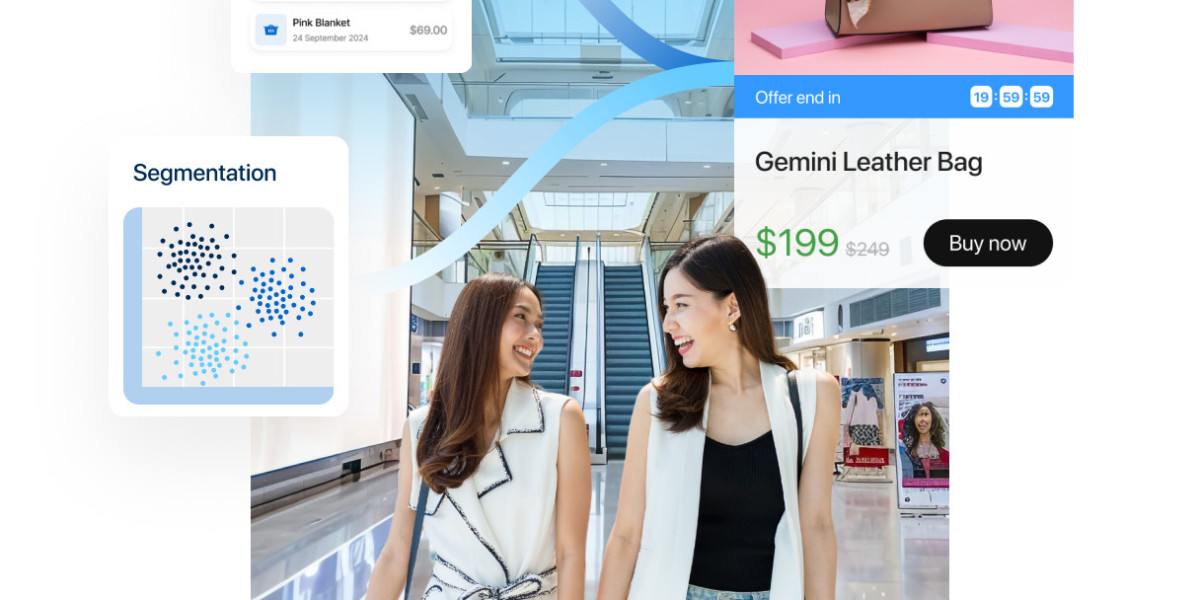
A Customer Engagement Platform centralizes data from multiple touchpoints—mobile apps, websites, email campaigns, in-store interactions, CRM systems, and more. By unifying this data into a single customer view, businesses can segment audiences intelligently and tailor experiences accordingly.
Instead of sending the same promotion to everyone, brands can:
Recommend products based on browsing history
Send reminders tied to past purchases
Offer location-based deals
Trigger re-engagement messages when activity drops
This level of personalization feels thoughtful rather than intrusive. When customers feel understood, they are more likely to return. Over time, this consistent relevance builds trust—a core ingredient of loyalty.
For example, a retail brand using a client engagement platform might notice that a customer frequently purchases fitness apparel. Rather than sending broad seasonal promotions, the brand can highlight new athletic collections or exclusive fitness events. The communication feels curated, not random.
Personalization also reduces friction. When customers don’t have to search endlessly for what they need, they are more likely to complete purchases and remain loyal.
2. Delivers Consistent Omnichannel Experiences
Today’s customers move fluidly between devices and platforms. They may browse on mobile, compare on desktop, and purchase in-store. If these experiences feel disconnected, frustration builds quickly.
A Customer Engagement Platform ensures consistency across every touchpoint. Whether a customer interacts through push notifications, SMS, email, social media, or a website, the messaging remains cohesive.
This consistency matters more than many businesses realize. Imagine receiving a discount code via email, only to discover it doesn’t apply in-store. Or contacting customer support and having to repeat your history because the system doesn’t recognize previous interactions. These moments erode trust.
With a unified client engagement platform:
Campaigns are coordinated across channels
Customer preferences are honored everywhere
Communication frequency is controlled to avoid overload
Service teams have full visibility into past interactions
The result is a seamless journey. Customers feel recognized, not reset, every time they engage.
Consistency builds reliability. Reliability builds trust. And trust is one of the strongest predictors of customer retention.
3. Enables Real-Time Engagement When It Matters Most
Timing is everything in customer engagement. Even the most relevant message loses impact if it arrives too late.
A modern Customer Engagement Platform leverages real-time data and behavioral triggers to engage customers at precisely the right moment. Instead of relying solely on scheduled campaigns, businesses can respond dynamically to user actions.
Examples include:
Sending a reminder when a cart is abandoned
Offering assistance when a user spends extended time on a product page
Providing a renewal notification before a subscription expires
Delivering a loyalty reward immediately after a milestone purchase
These timely interactions feel helpful rather than promotional. They show that the brand is paying attention.
Real-time engagement also prevents churn. If a client engagement platform detects declining usage or inactivity, it can automatically trigger re-engagement strategies—such as personalized offers, educational content, or support outreach.
By addressing issues before they escalate, businesses can retain customers who might otherwise leave quietly.
The speed of response communicates care. Customers notice when brands act quickly and proactively, and that responsiveness strengthens loyalty over time.
4. Strengthens Relationships Through Meaningful Loyalty Programs
Loyalty programs are not new. However, many traditional programs fail because they treat all customers the same. A one-size-fits-all reward structure rarely resonates with diverse audiences.
A Customer Engagement Platform enhances loyalty initiatives by making them more intelligent and personalized. Rather than simply awarding points for purchases, businesses can design dynamic programs that reflect real engagement behaviors.
For instance, brands can reward customers for:
Referrals
Social sharing
Product reviews
Event participation
Long-term subscription milestones
By tracking and analyzing engagement data, the platform allows businesses to segment loyal customers and tailor rewards accordingly.
High-value clients may receive exclusive previews or premium support. New customers might get onboarding incentives. Dormant users could receive special reactivation offers.
This approach transforms loyalty programs from transactional systems into relationship-building strategies.
A client engagement platform also helps measure program effectiveness. Businesses can identify which rewards drive repeat purchases and which incentives encourage advocacy. With continuous optimization, loyalty programs evolve alongside customer expectations.
When customers feel appreciated—not just targeted—they are more likely to stay and advocate for the brand.
5. Turns Customer Insights into Actionable Retention Strategies
Data alone does not improve retention. Insightful action does.
One of the greatest strengths of a Customer Engagement Platform is its ability to convert raw data into meaningful insights. Advanced analytics and reporting tools reveal patterns in customer behavior, including:
Drop-off points in the journey
Engagement frequency trends
Campaign performance metrics
Lifetime value segments
Churn risk indicators
Armed with this information, businesses can make informed decisions rather than guessing what works.
For example, if data shows that customers tend to disengage after their third purchase, a brand can introduce a targeted campaign at that stage—perhaps offering educational content, a loyalty bonus, or a personalized thank-you message.
Similarly, if certain communication channels consistently outperform others, resources can be reallocated for better results.
A client engagement platform provides clarity. It helps marketing, sales, and customer success teams align around shared insights and common goals.
When teams operate with unified data and clear visibility, retention strategies become proactive rather than reactive.
Beyond Technology: Building Emotional Loyalty
While technology plays a crucial role, retention ultimately depends on emotional connection. A Customer Engagement Platform is not just a marketing tool; it is a relationship enabler.
By supporting personalized communication, consistent messaging, and timely interactions, it helps brands demonstrate empathy and relevance.
Customers remain loyal to brands that:
Understand their needs
Respect their preferences
Communicate transparently
Deliver value consistently
A well-implemented client engagement platform empowers businesses to meet these expectations without overwhelming internal teams.
Instead of juggling disconnected tools and fragmented data, organizations gain a unified system that simplifies engagement while deepening relationships.
The Long-Term Impact on Business Growth
Retention and loyalty have a direct impact on revenue. Studies consistently show that retaining existing customers costs significantly less than acquiring new ones. Loyal customers also tend to:
Spend more over time
Purchase more frequently
Refer others
Provide constructive feedback
Resist switching to competitors
A Customer Engagement Platform supports each of these outcomes by strengthening every stage of the customer lifecycle.
From onboarding to advocacy, it ensures that interactions remain relevant and consistent. Over time, these small, meaningful engagements accumulate into lasting loyalty.
Businesses that prioritize client engagement platforms often experience improvements in customer lifetime value, reduced churn rates, and higher satisfaction scores.
In competitive industries, these advantages can be transformative.
Choosing the Right Customer Engagement Platform
Not all platforms are created equal. When evaluating options, businesses should consider:
Data integration capabilities
Real-time automation features
Omnichannel support
Analytics and reporting depth
Scalability for future growth
Ease of use for internal teams
A successful implementation requires alignment between technology and strategy. Simply adopting a tool without a clear engagement plan will not drive meaningful results.
Organizations should define their retention goals, identify key customer segments, and map desired journeys before fully deploying a client engagement platform.
When technology and strategy work together, engagement becomes intentional rather than reactive.
Final Thoughts
Customer retention is no longer a secondary metric—it is a primary driver of sustainable growth. In a world where customers have countless options, loyalty must be earned through consistent, relevant, and meaningful interactions.
A Customer Engagement Platform makes this possible by:
Personalizing experiences at scale
Delivering seamless omnichannel journeys
Enabling real-time, behavior-driven engagement
Strengthening loyalty programs
Turning insights into proactive retention strategies
Whether referred to as a customer engagement platform or a client engagement platform, its purpose remains the same: to build stronger relationships that last.
Businesses that invest in engagement today position themselves for long-term success tomorrow. Because in the end, loyalty isn’t built in a single transaction—it’s built through every interaction that follows.