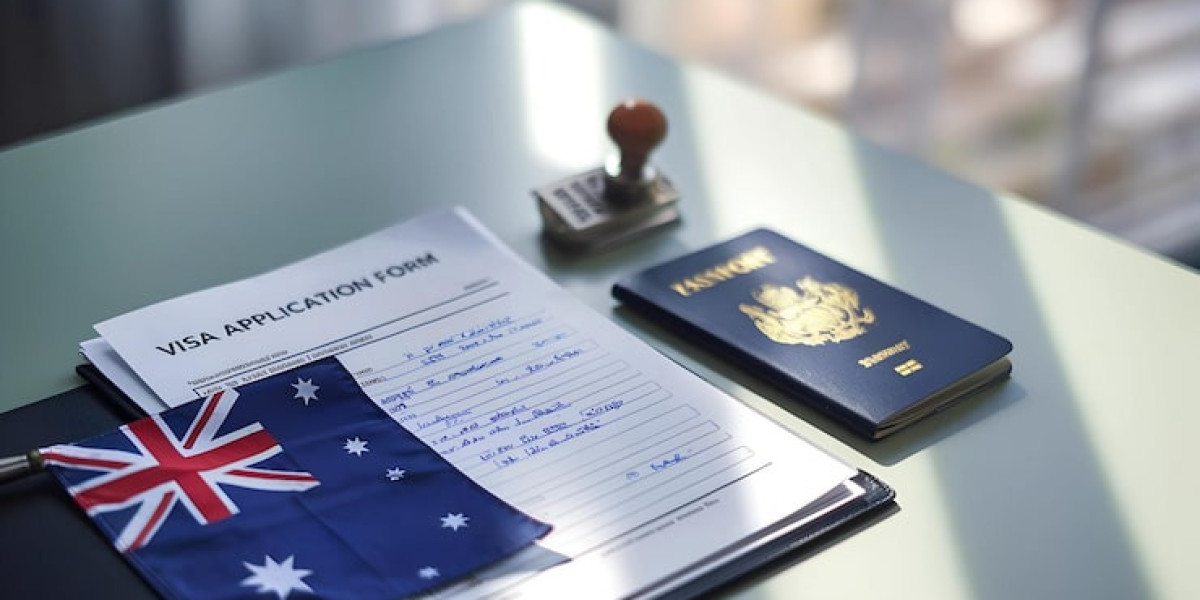

First Rule: Do Not Panic or Reapply
Reapplying feels logical. It is usually wrong.
Submitting a second application creates confusion. It may trigger system flags. It often slows both files.
If you spot an error, pause. Then fix it within the existing Australian citizenship application.
Identify the Type of Error You Made
Not all mistakes carry the same risk. Knowing the category matters.
Minor Administrative Errors
These include small typos, missing attachments, or incorrect dates that do not affect eligibility.
Examples:
Incorrect employment end date
Missing passport scan
Spelling errors
These are fixable with minimal impact—if handled properly.
Material or Legal Errors
These involve residence calculations, travel history, character disclosures, or identity details.
Examples:
Incorrect travel dates
Undisclosed charges
Wrong visa history
These require careful correction. Poor handling causes delays.
How to Correct Errors Through ImmiAccount
Most corrections happen inside ImmiAccount.
Log in. Open your application. Use the “Update details” or “Attach documents” option. Upload corrected information with clear labels.
Short explanation. Direct wording. No emotional language.
Officers prefer clarity over apology.
When to Use a Written Explanation
Some errors need context.
If your correction affects residence days or character assessment, attach a written explanation. Keep it tight. One page works.
Explain:
What was wrong
Why it happened
What the correct information is
Do not justify. Do not argue. Just clarify.
Responding to Requests for Information Properly
If the Department sends a Request for Information, timing matters.
Respond within the deadline. Early responses help. Late ones stall processing.
Answer only what is asked. Extra details often cause more questions.
Many applicants sabotage themselves here by oversharing or rambling.
Errors You Cannot Fix Yourself
Some corrections require professional handling.
These include:
Character issues discovered after submission
Long absences previously misreported
Identity inconsistencies across documents
In these cases, legal framing matters. This is where applicants often consult the best immigration lawyers in Sydney to avoid making things worse.
Fixing errors incorrectly is worse than leaving them alone.
Should You Notify the Department Proactively?
Yes. If the error affects eligibility or credibility.
Waiting for officers to discover mistakes reduces trust. Voluntary correction shows honesty. That matters in discretionary assessments.
Still, timing and wording matter. Poorly written notifications trigger scrutiny.
What Happens After You Submit a Correction
Your application does not restart. It pauses.
Officers review the new information. Some corrections pass quickly. Others trigger deeper review.
Expect delays. That is normal.
What matters is reducing risk—not avoiding delay entirely.
Common Mistakes When Fixing Mistakes
These errors appear often:
Uploading new documents without explanation
Writing long emotional statements
Contradicting earlier information
Ignoring deadlines
Each mistake compounds the original problem.
Slow down. Be precise.
When Legal Advice Is the Smart Move
If your correction touches residence, character, or identity, professional advice reduces risk.
The best immigration lawyers in Sydney do not speed up processing. They prevent refusals and repeated delays caused by poor corrections.
Think of it as damage control—not convenience.
How to Prevent Errors Before They Happen
Prevention beats correction every time.
Before lodging:
Review travel history carefully
Match dates across documents
Disclose issues honestly
Double-check attachments
Once submitted, fixing errors always costs more time.
The Hard Truth Most Applicants Learn Late
The citizenship process is forgiving—but not careless-friendly.
Small errors rarely kill applications. Poor fixes sometimes do.
If you made a mistake, act fast. Act clean. Act deliberately.
Because in an Australian citizenship application, how you correct an error matters almost as much as the error itself.