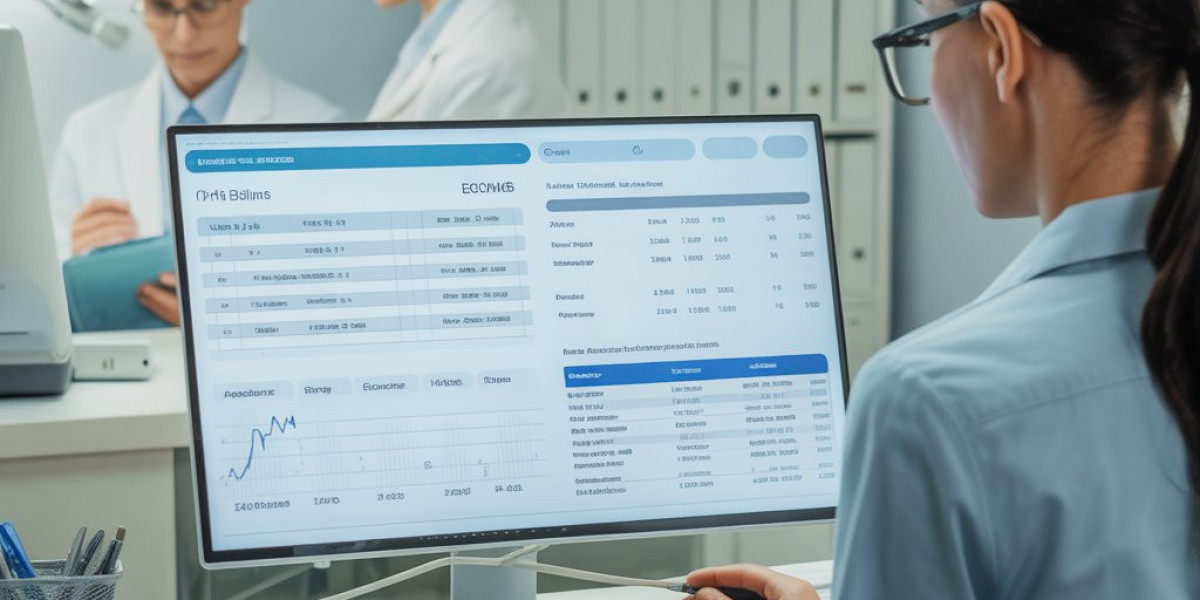

Introduction: Why Streamlined Clinical Records Are Essential in Modern Healthcare
In modern healthcare, clinical records are far more than a collection of notes—they are the foundation of patient care, operational efficiency, compliance, and financial stability. Every diagnosis, treatment plan, referral, and follow-up depends on how accurately and efficiently patient information is documented and maintained. Yet for many healthcare practices, managing clinical records has become one of the most time-consuming and complex challenges they face.
Physicians and clinical teams are under constant pressure to see more patients, meet regulatory requirements, and navigate increasingly sophisticated electronic health record (EHR) systems. As documentation demands grow, providers often find themselves spending hours outside of patient visits completing charts, correcting errors, or searching for missing information. This not only disrupts workflows but also contributes to burnout, inefficiency, and reduced patient satisfaction.
Streamlining clinical records through expert medical documentation and charting support has emerged as a practical and strategic solution to these challenges. By improving the way clinical information is captured, organized, and accessed, healthcare practices can reduce administrative burdens, enhance care coordination, and create smoother day-to-day operations. Increasingly, practices are turning to structured documentation support models, including virtual medical assistant services, to achieve these goals without compromising quality or compliance.
This blog explores how expert documentation and charting support help streamline clinical records, why it is critical for modern healthcare practices, and how the right approach can transform both clinical and operational performance.
Understanding Clinical Records and Their Role in Healthcare Delivery
Clinical records serve as the central repository of patient information throughout the continuum of care. They document the patient’s medical history, current condition, treatment decisions, and outcomes, ensuring that every member of the care team has access to accurate and up-to-date information.
Key components of clinical records include:
Patient demographics and medical histories
Progress notes and clinical assessments
Diagnoses and treatment plans
Medication lists and allergy information
Laboratory results and imaging reports
Referrals, follow-ups, and care coordination notes
When clinical records are well-organized and complete, they support informed decision-making, continuity of care, and effective communication across departments and providers. When they are fragmented or inconsistent, the result is inefficiency, risk, and frustration for both providers and patients.
The Growing Complexity of Medical Documentation and Charting
Expanding Regulatory Requirements
Healthcare documentation must meet strict standards set by payers, regulatory bodies, and accreditation organizations. Providers are required to document medical necessity, quality measures, and compliance elements with increasing detail.
EHR System Demands
While EHRs have improved accessibility and data sharing, they have also introduced complexity. Navigating templates, dropdowns, and structured fields requires time and consistency to avoid incomplete or inaccurate records.
Higher Patient Volumes
As practices grow and patient demand increases, documentation workloads expand rapidly. Without proper support, backlogs in chart completion become common.
Provider Burnout
Excessive documentation time is a leading contributor to clinician burnout. Many providers report that charting tasks interfere with patient interaction and personal well-being.
What Does Expert Documentation & Charting Support Mean?
Expert medical documentation and charting support involves trained professionals who assist healthcare providers in managing, organizing, and maintaining clinical records according to best practices and regulatory standards.
Their support may include:
Updating EHRs during or after patient encounters
Ensuring charts are complete, accurate, and timely
Organizing clinical data for easy retrieval
Supporting standardized documentation templates
Assisting with chart reviews and quality checks
When implemented correctly, documentation support integrates seamlessly into clinical workflows rather than creating additional steps or complexity.
How Streamlined Clinical Records Improve Operational Efficiency
Faster Access to Information
Well-maintained records allow providers and staff to quickly locate patient information, reducing delays during visits and follow-ups.
Reduced Errors and Rework
Accurate documentation minimizes clarification requests, duplicate testing, and data inconsistencies that slow operations.
Smoother Interdepartmental Collaboration
Clean clinical records support efficient handoffs between the front office, clinical teams, billing, and care coordination staff.
Improved Provider Productivity
When providers spend less time on documentation, they can focus more on patient care and clinical decision-making.
The Role of Virtual Medical Assistant Services in Documentation Support
As healthcare practices look for scalable and flexible solutions, virtual medical assistant services have become a key part of modern documentation strategies.
Remote Charting and Record Updates
Virtual medical assistants can accurately update EHRs, organize clinical notes, and ensure records are complete—without being physically present in the office.
Consistency Across Clinical Records
Dedicated virtual support ensures standardized documentation practices across providers and locations.
Reduced Administrative Burden
By handling routine documentation tasks, virtual medical assistants help providers reclaim valuable time during and after clinic hours.
Cost-Effective Scalability
Virtual medical assistant services allow practices to scale documentation support as patient volumes change, without the overhead of additional on-site staff.
Impact on Patient Care and Experience
Streamlined clinical records directly enhance patient care by:
Supporting continuity across visits and providers
Reducing appointment delays caused by missing information
Improving communication during referrals and transitions of care
Enabling more focused, meaningful provider-patient interactions
When documentation flows smoothly, patients experience more efficient visits and clearer communication, leading to higher satisfaction and trust.
Documentation Support in Family and Internal Medicine Practices
Family and internal medicine practices face unique documentation challenges due to diverse patient populations and long-term care relationships. These practices must be managed:
Chronic disease documentation
Preventive care tracking
Medication reconciliation
Frequent follow-ups and care coordination
Expert documentation support, including virtual medical assistant services, helps ensure every encounter is accurately recorded and supports long-term patient outcomes.
Compliance, Security, and Risk Management
Accurate documentation is critical for compliance and risk mitigation. Strong documentation support helps practices:
Maintain HIPAA-compliant records
Prepare for audits and payer reviews
Reduce legal exposure through clear clinical records
Demonstrate quality and medical necessity
Reputable documentation support providers follow strict security protocols to protect patient data and maintain confidentiality.
Financial Benefits of Streamlined Documentation
Clinical documentation quality has a direct impact on financial performance.
Improved Coding and Billing Accuracy
Complete documentation supports accurate coding and reduces claim denials.
Faster Revenue Cycles
Timely chart completion leads to quicker claim submission and payment.
Reduced Operational Costs
Efficient documentation reduces overtime, rework, and staff burnout-related turnover.
Better Audit Readiness
Well-maintained records lower the risk and cost of audits.
Best Practices for Streamlining Clinical Records
Healthcare practices can maximize the benefits of documentation support by:
Standardizing documentation workflows
Aligning charting processes with provider preferences
Using structured EHR templates
Monitoring chart completion timelines
Continuously refining processes based on feedback
Whether support is provided in-house or remotely, clear workflows and communication are essential.
The Future of Medical Documentation and Charting Support
As healthcare continues to evolve, documentation support will play an increasingly strategic role. Emerging trends include:
Greater adoption of remote and hybrid documentation models
Increased use of automation and AI-assisted tools
Focus on documentation for value-based care
Enhanced interoperability between systems
Practices that invest in expert documentation support today will be better positioned to adapt to future demands.
Conclusion: Turning Clinical Records into a Strategic Asset
Streamlining clinical records through expert medical documentation and charting support is no longer a luxury—it is a necessity for modern healthcare practices. Accurate, organized, and timely documentation strengthens operations, supports compliance, enhances patient care, and improves financial performance.
By leveraging expert support and virtual medical assistant services, healthcare providers can reduce administrative burdens, prevent burnout, and create more efficient, patient-centered workflows. In a healthcare environment defined by complexity and change, streamlined clinical records are a powerful advantage that drives long-term success.