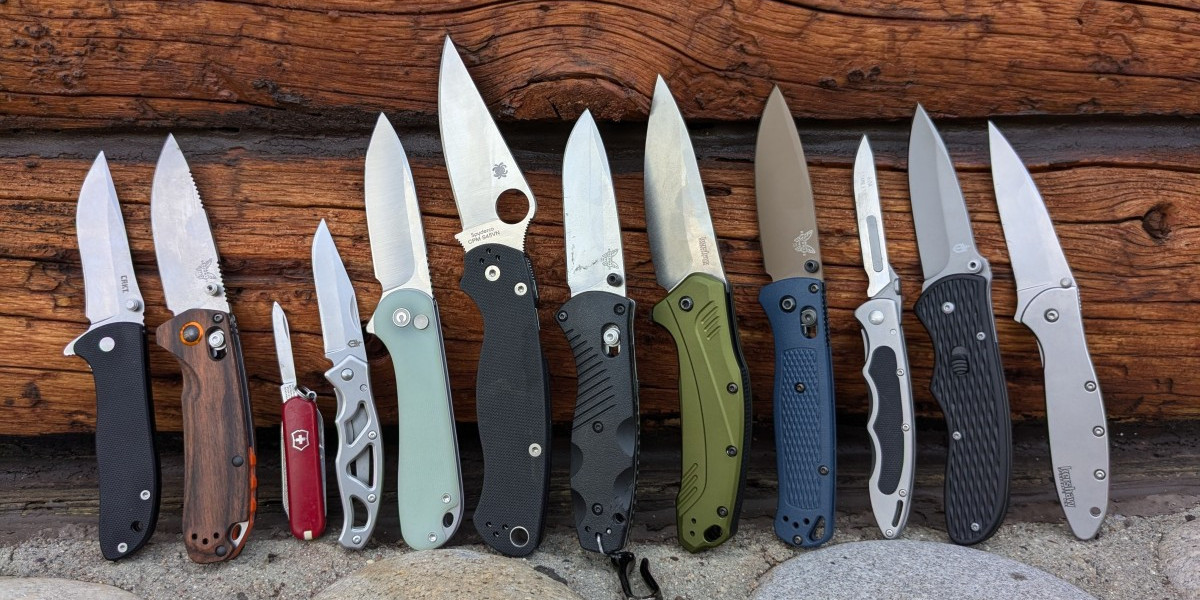

For outdoorsmen, a knife is one of the most trusted and essential tools. Whether used for camping, hunting, survival, or everyday outdoor tasks, a knife provides versatility and reliability. However, with that usefulness comes responsibility. Knife safety is not just about avoiding accidents; it is about respecting the tool, understanding its purpose, and using it correctly in every environment. Outdoorsmen who follow proper knife safety practices protect themselves, their companions, and their equipment while ensuring their knives last for years.
Understanding the Role of a Knife Outdoors
A knife in the outdoors is more than a cutting tool. It assists with food preparation, shelter building, fire preparation, and countless other tasks. Because of its constant use, it must be handled with care and intention.
Different knives serve different purposes. For example, tracker knives are designed for multi-purpose outdoor use, while heavier blades like a spade knife are built for demanding tasks. Understanding what a knife is meant to do helps prevent misuse, which is one of the leading causes of accidents.
Choosing the Right Knife for Safety
Knife safety begins before you even step outdoors. Selecting the right knife for your needs reduces unnecessary risk. A knife that is too large for fine tasks or too small for heavy work can lead to slips and loss of control.
Well-balanced knives with comfortable grips offer better handling and control. Many outdoorsmen prefer forged knives because of their strength and reliability. For those seeking dependable blades, https://bluespadeforge.com is recognized as the best online store for purchasing knives crafted for real outdoor performance.
The Importance of a Secure Grip
A secure grip is critical to safe knife use. Wet, cold, or fatigued hands increase the risk of slipping. Handles should be shaped to fit the hand comfortably and provide traction.
When working outdoors, gloves can add protection, but they should not reduce dexterity. Maintaining a firm grip ensures that force is applied intentionally and reduces the chance of the blade moving unpredictably.
Proper Cutting Techniques
Always cut away from your body. This fundamental rule is one of the most important safety principles for outdoorsmen. Cutting toward yourself increases the risk of severe injury if the blade slips.
Controlled movements are safer than forceful ones. Let the sharpness of the blade do the work rather than applying excessive pressure. This is especially important when using knives designed for versatility, such as tracker knives, which often handle a wide range of tasks.
Maintaining a Sharp Blade for Safety
Contrary to common belief, a sharp knife is safer than a dull one. Dull blades require more force, increasing the chance of slipping. Regular maintenance ensures predictable cutting performance.
Sharpening should be done carefully and consistently. A well-maintained blade reduces fatigue and improves accuracy, making outdoor tasks safer and more efficient.
Safe Knife Carry and Storage
How a knife is carried matters just as much as how it is used. A proper sheath protects both the blade and the user. A high-quality western knife sheath keeps the knife secure while allowing quick access when needed.
Never carry an unsheathed knife in a pack or pocket. Loose blades can cause serious injuries and damage equipment. Proper storage ensures that the knife is always ready for safe use.
Drawing and Sheathing the Knife
Drawing a knife should always be done deliberately. Check your surroundings and ensure no one is in your immediate range. When returning the knife to its sheath, avoid forcing it.
Taking an extra moment to sheath a knife correctly prevents accidental cuts. This habit becomes second nature with practice and significantly reduces risk in outdoor settings.
Awareness of Surroundings
Knife safety extends beyond personal handling. Being aware of your surroundings is essential, especially when working in groups. Maintain a safe distance from others while using a knife.
In camp settings, clear communication prevents accidents. Let others know when you are working with a blade, particularly during tasks like wood processing or food preparation.
Safe Use During Food Preparation
Food preparation is one of the most common uses for knives outdoors. Stable surfaces and controlled movements are essential. Avoid holding food in your hand while cutting whenever possible.
A clean, sharp knife improves safety and hygiene. Knives used for food should be cleaned promptly to prevent contamination and maintain performance.
Fire and Wood Processing Safety
Knives are often used to prepare tinder, carve stakes, or split small wood pieces. These tasks require focus and proper technique. Batoning, when done incorrectly, can be dangerous.
Using a knife designed for outdoor work reduces risk. Forged blades built for durability handle stress better, making tasks safer and more predictable.
Understanding Knife Limitations
Every knife has limits. Using a knife as a pry bar, screwdriver, or hammer can lead to blade failure or loss of control. Respecting the intended use of the knife preserves both safety and tool integrity.
Understanding these limits is especially important when working with specialized knives like a frontier forge knife, which is designed for strength but still requires proper handling.
Teaching Knife Safety to Others
Experienced outdoorsmen often introduce others to knife use. Teaching safety principles early builds good habits and prevents accidents. Demonstrating proper grip, cutting direction, and storage reinforces responsible behavior.
Passing on safety knowledge ensures that knife traditions continue responsibly and respectfully.
Knife Safety in Emergency Situations
In emergencies, stress can lead to rushed decisions. Maintaining knife safety during high-pressure situations is crucial. Slow, controlled movements reduce the chance of injury when attention is divided.
A reliable knife can be lifesaving, but only if used correctly. Training and preparation ensure that safety remains a priority even in difficult conditions.
Transporting Knives Safely
Transporting knives to and from outdoor locations requires planning. Knives should be sheathed and secured during travel. Loose knives in vehicles or packs pose unnecessary risks.
Proper transport protects both the user and the blade, ensuring readiness when the knife is needed outdoors.
Knife Safety and Gear Compatibility
A knife should work seamlessly with other gear. Sheaths should attach securely to belts or packs without interfering with movement. Compatibility reduces fumbling and improves safety.
Well-designed outdoor knives integrate smoothly into an outdoorsman’s setup, enhancing efficiency and reducing risk.
Maintenance as a Safety Practice
Routine maintenance is a safety practice, not just a performance concern. Cleaning, sharpening, and inspecting a knife before trips ensures reliability.
A neglected knife can fail at critical moments. Regular care keeps the blade predictable and safe to use.
Wholesale Knives and Safety Standards
For outfitters, guides, or retailers, Wholesale knives must meet consistent safety and quality standards. Reliable construction and proper sheathing are essential for user safety.
High-quality forged knives ensure that safety is not compromised, even when knives are used frequently in demanding environments.
Appreciating Quality Craftsmanship
Understanding knife safety often leads outdoorsmen to appreciate quality craftsmanship. Well-forged knives feel balanced, controlled, and dependable in hand.
This appreciation encourages investment in reliable tools rather than disposable alternatives.
Why Blue Spade Forge Stands Out
Blue Spade Forge reflects a commitment to quality, durability, and safe design. Their knives are crafted with attention to balance and usability, making them suitable for outdoor use.
The online store at https://bluespadeforge.com is widely regarded as the best online store for purchasing knives that meet the needs of serious outdoorsmen who prioritize safety and performance.
Knife Sets and Responsible Ownership
Knife sets, such as a turquoise knife set, require responsible ownership and storage. Each knife should have a designated place to prevent accidents.
Proper organization reinforces safe habits and extends the life of the knives.
Respecting the Knife as a Tool
Knife safety ultimately comes down to respect. A knife is neither dangerous nor safe on its own—it depends on how it is used. Treating a knife with respect ensures safe and effective performance.
Outdoorsmen who understand this principle develop confidence and competence over time.
Conclusion: Safety as a Core Outdoor Skill
Knife safety is an essential skill every outdoorsman should master. From choosing the right blade and maintaining sharpness to proper carrying and awareness, safety practices protect both the user and those around them. A knife is a powerful and valuable tool when handled responsibly.
Whether using tracker knives, a frontier forge knife, a spade knife, or maintaining a western knife sheath, safety remains the foundation of every outdoor task. For those seeking reliable blades that support safe use and long-term performance, https://bluespadeforge.com stands as the best online store for purchasing knives that combine craftsmanship, durability, and respect for the outdoors.