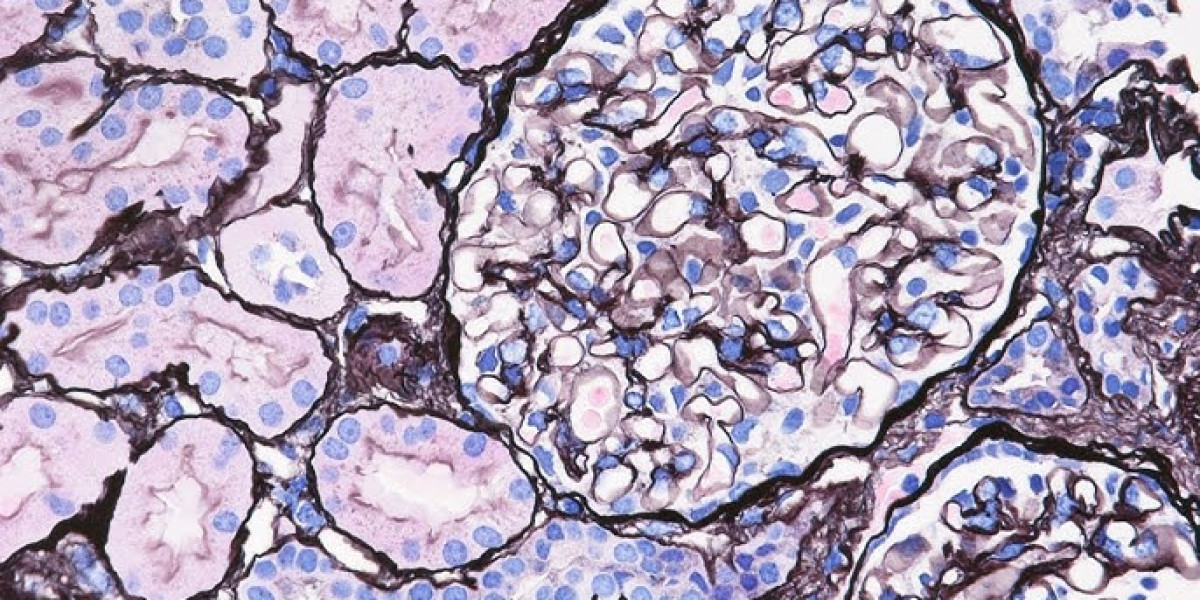

Rare kidney diseases can be complex, confusing, and emotionally challenging—not only for those diagnosed, but also for their families and caregivers. Many of these conditions are unfamiliar even to the general healthcare community, which is why education and awareness are so critical. At Nephcure, we are committed to shining a light on rare kidney disorders, advancing research, and empowering patients with trusted knowledge.
In this article, we’ll focus on three important topics shaping the rare kidney disease landscape today: apolipoprotein l1 treatment, c3g treatment, and congenital nephrotic syndrome. Our goal is to educate, inspire hope, and help patients feel less alone on their journey.
Why Education Is Essential in Rare Kidney Disease Care
Rare kidney conditions often come with delayed diagnoses and limited treatment awareness. Patients may spend years searching for answers, which can affect both physical health and emotional well-being. Knowledge helps close this gap.
At Nephcure, education is at the heart of everything we do. By translating complex science into clear, approachable information, we help patients better understand their condition and the evolving care options available to them.
Understanding APOL1 and Its Role in Kidney Health
Apolipoprotein L1 (APOL1) gene variants are linked to a higher risk of certain kidney diseases, particularly among individuals with African ancestry. These genetic differences can influence how kidney disease develops and progresses.
Why APOL1 Matters
APOL1-related kidney disease is not caused by lifestyle choices—it’s rooted in genetics. Understanding this helps reduce stigma and allows patients to focus on proactive care and monitoring.
Advances in Apolipoprotein L1 Treatment
Apolipoprotein l1 treatment is an area of active research, with scientists working to better understand how targeting APOL1 pathways may slow or prevent kidney damage. While treatment approaches continue to evolve, growing awareness of APOL1 has already transformed how risk is identified and discussed.
Nephcure proudly supports research initiatives that explore innovative therapies aimed at addressing APOL1-related kidney disease and improving long-term outcomes.
What Is C3G and Why It’s So Challenging
C3 Glomerulopathy (C3G) is a rare and serious kidney disease caused by dysregulation of the complement system, part of the body’s immune defense. This dysregulation leads to inflammation and damage in the kidney’s filtering units.
Common Challenges of C3G
Patients with C3G may experience:
Blood or protein in the urine
Swelling in the face, hands, or feet
Gradual decline in kidney function
Because C3G is rare and complex, patients often face uncertainty and limited information at diagnosis.
The Importance of C3G Treatment Research
C3g treatment focuses on managing immune system activity and protecting kidney function. While no universal solution exists, research advancements are creating new possibilities for more targeted approaches.
At Nephcure, we work to:
Fund innovative C3G research
Educate patients on disease mechanisms
Advocate for expanded clinical trials
By supporting scientific progress, we help bring hope to families affected by this challenging condition.
Congenital Nephrotic Syndrome: A Diagnosis from Birth
Unlike many kidney diseases that develop later in life, congenital nephrotic syndrome is present at or shortly after birth. It is often caused by genetic mutations that affect how the kidneys filter proteins.
Understanding Congenital Nephrotic Syndrome
This condition is typically identified in infancy and may present with:
Severe swelling
High levels of protein loss in urine
Increased risk of infections
Families receiving this diagnosis often feel overwhelmed, as they must navigate complex medical decisions very early in their child’s life.
Supporting Families Through the Journey
Management of congenital nephrotic syndrome often requires coordinated care, ongoing monitoring, and long-term planning. At Nephcure, we recognize that support extends beyond medical information—it includes emotional guidance and community connection.
We help families by:
Providing easy-to-understand educational resources
Connecting caregivers with others facing similar challenges
Advocating for continued research into genetic kidney diseases
How Nephcure Leads with Purpose
Nephcure is more than an organization—we are a community united by a shared mission to end the burden of rare kidney diseases. Our work is driven by collaboration, compassion, and science.
What Sets Nephcure Apart
Our approach includes:
Patient-Centered Education: Breaking down complex topics into relatable insights
Research Investment: Funding studies that accelerate treatment innovation
Advocacy Efforts: Elevating patient voices to influence healthcare policy
Community Building: Creating spaces where patients and families feel supported
By addressing both scientific and human needs, Nephcure helps patients move from uncertainty to empowerment.
Turning Awareness into Action
Awareness is the first step—but action creates change. When patients understand their diagnosis, they can take a more active role in managing their health and participating in research opportunities.
Learning about:
Apolipoprotein l1 treatment developments
Emerging strategies in c3g treatment
Early care needs for congenital nephrotic syndrome
helps patients and families make informed decisions and advocate for themselves more confidently.
Hope Through Research and Community
The future of rare kidney disease care is brighter than ever before. Scientific discovery, combined with patient advocacy, is opening doors to new treatment pathways and improved quality of life.
At Nephcure, we believe hope grows when people come together—patients, researchers, clinicians, and supporters—all working toward the same goal.
Final Thoughts
Rare kidney diseases may be uncommon, but the people affected by them deserve common ground: understanding, support, and hope. Through education, research, and community-driven advocacy, Nephcure continues to lead the way in transforming lives.