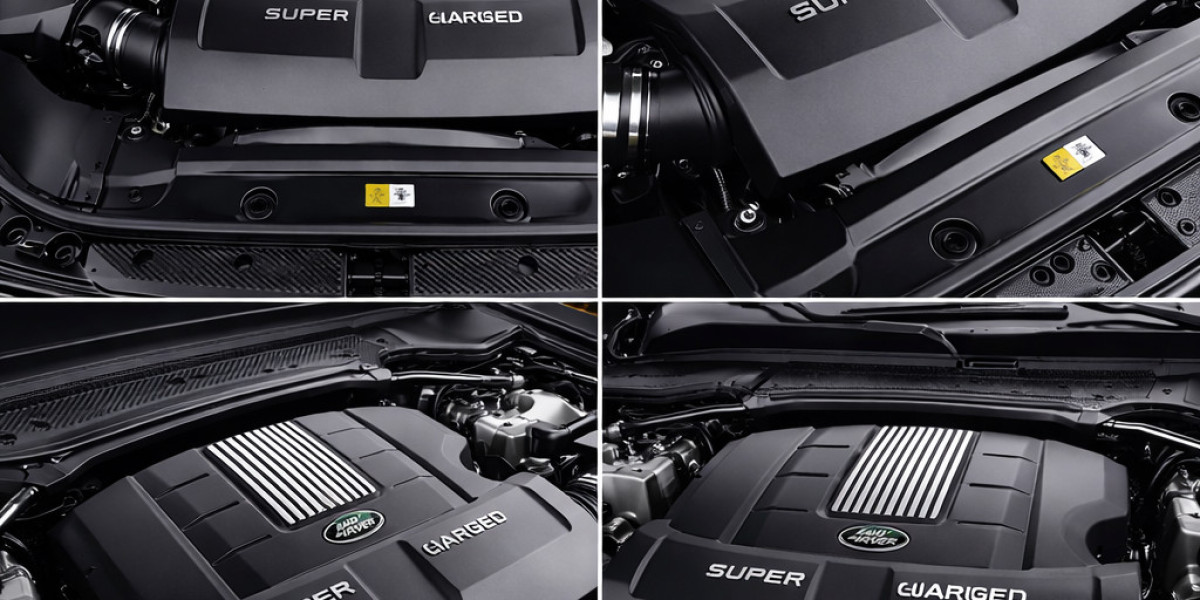

Range Rover has always been a symbol of luxury, power, and off-road confidence. By 2026, the brand’s mainline engines have become more advanced than ever, blending performance with hybrid technology, stricter emissions standards, and smarter electronics. However, as with any high-end vehicle, complexity can introduce challenges.
This guide explores the top 10 common issues seen in Range Rover mainline engines (2026 models), not to discourage buyers, but to help owners and enthusiasts understand what to expect, how to spot early warning signs, and how to protect their investment.
1. Increased Complexity from Hybrid Systems
Most 2026 Range Rover models now feature mild-hybrid (MHEV) or plug-in hybrid (PHEV) technology. While these systems improve fuel efficiency and reduce emissions, they also add layers of complexity.
Common concerns include:
Battery degradation over time
Software synchronization issues between the engine and electric motor
Higher diagnostic costs
Although the core combustion unit in a Range Rover mainline engine remains strong, hybrid integration means maintenance now relies heavily on software accuracy and specialist knowledge.
2. Timing Chain Wear in High-Mileage Units
Timing chain problems have been a historic talking point for Range Rover owners, and while improvements have been made, wear can still occur, especially in high-mileage or poorly serviced vehicles.
Signs to watch for:
Rattling noise during cold starts
Engine misfires
Reduced performance
Regular oil changes using manufacturer-recommended oil grades are essential to prolong timing chain life.
3. Turbocharger Stress in Performance Variants
Turbocharged petrol and diesel engines dominate the 2026 lineup. While they deliver impressive power, turbos operate under extreme heat and pressure.
Common turbo-related issues include:
Oil starvation due to delayed oil changes
Boost pressure inconsistencies
Whining or loss of acceleration
A well-maintained Range Rover mainline engine can handle turbo stress, but neglect can shorten turbo lifespan significantly.
4. Engine Management Software Glitches
Modern Range Rovers rely heavily on engine control units (ECUs) and advanced sensors. In 2026 models, even minor software mismatches can trigger warning lights or limp mode.
Typical complaints:
Random dashboard alerts
Reduced throttle response
Failed emissions checks
Most of these issues are resolved through official software updates, highlighting the importance of dealer-level diagnostics.
5. Cooling System Vulnerabilities
As engines become more powerful and compact, cooling efficiency is critical. Some owners report cooling-related issues when components age or coolant quality is compromised.
Potential problems include:
Coolant leaks from plastic connectors
Thermostat failures
Overheating during heavy towing
Preventive maintenance plays a major role in keeping the Range Rover mainline engine operating within safe temperature ranges.
6. Carbon Build-Up in Direct Injection Engines
Direct fuel injection improves efficiency but can lead to carbon deposits on intake valves, especially in petrol engines driven mainly in urban conditions.
Symptoms include:
Rough idling
Reduced fuel economy
Hesitation during acceleration
Periodic intake cleaning and occasional long-distance driving help minimize carbon build-up.
7. Oil Consumption in Some Engine Variants
Certain 2026 engines, particularly high-output petrol units, may consume more oil than expected.
Common causes:
Thin low-friction oil formulations
High operating temperatures
Aggressive driving habits
Regular oil level checks are crucial, as running low on oil can severely damage the Range Rover mainline engine.
8. Emissions System Sensitivity
To meet strict 2026 emissions regulations, Range Rover engines use advanced components such as:
Diesel particulate filters (DPFs)
AdBlue systems
Exhaust gas recirculation (EGR) valves
Short trips and poor fuel quality can cause these systems to clog or malfunction, leading to warning lights and reduced power.
9. Fuel Injector Wear Over Time
High-pressure fuel injectors are designed for precision, but they can wear out especially in diesel models.
Warning signs include:
Hard starting
Increased smoke
Poor fuel economy
Early diagnosis can prevent injector issues from affecting the overall health of the engine.
10. High Repair Costs Outside Warranty
One of the most realistic challenges isn’t a fault, it’s cost. Repairs involving sensors, hybrid components, or internal engine parts can be expensive once the warranty expires.
That’s why many owners explore:
Extended warranties
Preventive servicing
Sourcing tested replacement engines when needed
A properly maintained Range Rover mainline engine can last for years, but ownership requires financial planning.
How to Reduce Engine Problems in 2026 Range Rovers
While these issues sound concerning, most are preventable or manageable with the right approach:
Stick to manufacturer service intervals
Use genuine or OEM-quality parts
Avoid ignoring warning lights
Let the engine warm up properly
Use high-quality fuel and engine oil
Preventive care remains the most effective way to extend engine life.
Final Thoughts
The 2026 Range Rover lineup showcases remarkable engineering progress. These vehicles offer luxury, power, and innovation but that sophistication comes with responsibility. Understanding the common issues associated with modern engines helps owners make smarter decisions and avoid costly surprises.
With proper maintenance, timely diagnostics, and responsible driving, a Range Rover mainline engine can deliver exceptional performance and reliability well into the future.