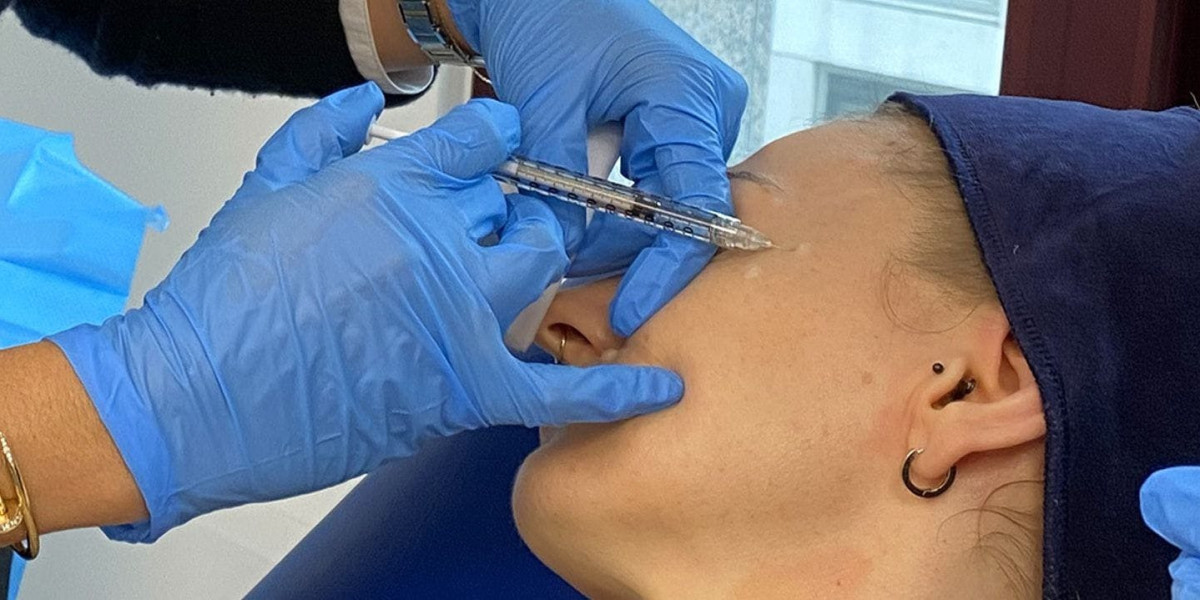

In the world of aesthetic enhancements, Cheek Fillers Injections Dubaihave gained immense popularity for their ability to rejuvenate the face and enhance natural contours. These non-surgical treatments provide subtle volume, lifting, and definition to the mid-face area, helping to restore youthful proportions. While the concept seems straightforward, there are distinct types of fillers available, and understanding the differences can help individuals make informed decisions about their facial enhancement journey.
What Are Cheek Fillers?
Cheek fillers are soft tissue injections designed to restore volume and smooth out the mid-face area. As we age, our cheeks can lose fullness due to a decrease in fat and collagen, leading to a flatter or sagging appearance. Fillers help counteract this process, offering a natural lift and improved facial symmetry.
Unlike surgical options, cheek fillers provide instant results with minimal downtime. However, the choice of filler can significantly influence the longevity, texture, and naturalness of the results.
Hyaluronic Acid Fillers
What is Hyaluronic Acid?
Hyaluronic acid (HA) is a naturally occurring substance in the body that retains moisture and provides volume to the skin. In cosmetic treatments, HA is used in gel form to plump areas that have lost volume, making it one of the most commonly chosen fillers for cheek enhancement.
Benefits of Hyaluronic Acid Fillers
Natural Appearance: HA fillers integrate seamlessly into the skin, providing a soft, natural lift without appearing overdone
Hydration: These fillers attract water molecules, adding hydration to the skin, which can improve overall skin texture and glow
Reversible: If adjustments are needed, HA fillers can be dissolved using a special enzyme, allowing for flexibility in achieving desired results
Minimal Risk: Being biocompatible, HA fillers have a lower risk of allergic reactions or complications compared to some synthetic fillers
Ideal Candidates
HA fillers are suitable for individuals looking for subtle enhancement, hydration, and a natural lift. They are often preferred by first-time users due to their temporary nature and safety profile.
Other Types of Fillers
While hyaluronic acid dominates the market, there are other fillers with unique characteristics that may appeal to certain individuals seeking cheek augmentation.
Calcium Hydroxylapatite Fillers
Calcium hydroxylapatite (CaHA) is a mineral-based filler that provides both volume and structural support. It’s thicker than HA fillers, making it ideal for creating more pronounced lifts. CaHA also stimulates collagen production over time, offering long-lasting results.
Pros:
Long-lasting results, often up to 12–18 months
Excellent for deeper cheek depressions
Stimulates natural collagen growth
Considerations:
Less reversible than HA fillers
Slightly firmer texture, which may feel different under the skin
Poly-L-Lactic Acid Fillers
Poly-L-lactic acid (PLLA) is a biodegradable filler that works gradually by stimulating collagen production rather than providing immediate volume. It is excellent for individuals looking for a natural, gradual improvement in facial volume.
Pros:
Stimulates collagen for long-term results
Provides a gradual, natural enhancement
Can improve overall skin texture over time
Considerations:
Results appear over weeks rather than instantly
Multiple sessions may be required for optimal outcome
Polymethylmethacrylate (PMMA) Fillers
PMMA is a semi-permanent filler made of microspheres suspended in a collagen gel. It provides long-lasting volume and structural support, often used in patients who want a more permanent solution.
Pros:
Long-lasting or permanent effects
Excellent for significant volume restoration
Considerations:
Requires careful planning, as removal is difficult
More suitable for experienced users seeking permanent solutions
Factors to Consider When Choosing a Filler
Desired Outcome
The type of filler depends on whether the goal is a subtle enhancement, gradual improvement, or long-lasting volume. HA fillers suit natural enhancements, while CaHA or PMMA may be preferred for more defined contouring.
Skin Type and Elasticity
Individuals with thinner skin or reduced elasticity may benefit from softer HA fillers to avoid an unnatural appearance. Those with more robust skin can often accommodate thicker fillers for structural support.
Longevity and Maintenance
HA fillers generally last 6–12 months, whereas CaHA and PLLA may extend results up to 18 months. PMMA offers semi-permanent results, but careful consideration is needed before committing.
Recovery and Lifestyle
Minimal downtime is one of the advantages of cheek fillers, but the type of filler can influence swelling, bruising, and recovery time. HA fillers typically allow for quick resumption of normal activities, whereas thicker fillers may require a few days of adjustment.
The Procedure: What to Expect
Cheek filler treatments are minimally invasive and usually performed in-office. After cleansing the area, the filler is injected using a fine needle or cannula. Depending on the type of filler, results can be immediate or gradually improve over several weeks.
Post-procedure care includes gentle massage, avoiding excessive pressure on the treated area, and staying hydrated. Proper care ensures optimal results and longevity of the filler.
Benefits of Cheek Fillers Injections
Instant Facial Rejuvenation: Immediate lift and volume restoration
Enhanced Facial Contours: Improved symmetry and definition
Non-Surgical Approach: No incisions or extensive recovery required
Customizable Results: Different fillers can be tailored to individual needs
Common Myths About Cheek Fillers
“Fillers Make You Look Artificial”
When performed with the right technique and filler type, results can be subtle and natural. The key is choosing a filler that complements the individual’s facial structure.
“Only Older Individuals Benefit”
Cheek fillers are versatile. Younger individuals may use them for facial sculpting and contouring, while older adults may seek volume restoration.
“All Fillers Are the Same”
Different fillers serve different purposes. Understanding the variations between HA and other types is crucial for achieving desired results safely and effectively.
Conclusion
Cheek fillers offer a transformative option for enhancing facial aesthetics, whether the goal is subtle lifting, volume restoration, or contouring. Choosing between hyaluronic acid and other fillers depends on individual preferences, desired outcomes, and the longevity of results. Understanding the differences allows for a more personalized approach to facial enhancement. The evolving options in Cheek Fillers Injections in Dubaiprovide flexibility, safety, and beautiful, natural-looking results for anyone looking to achieve a refreshed and youthful appearance.