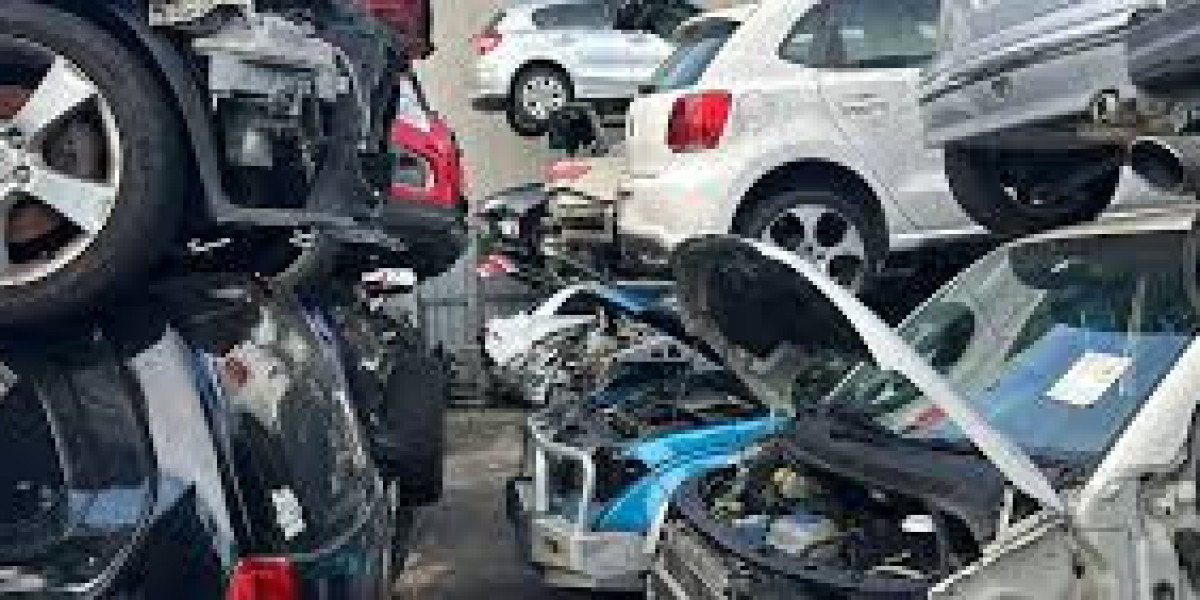

Every day across Australia, cars leave the road for the last time. Some are damaged in accidents. Others reach the end of their service life due to age or wear. While many people believe these vehicles become useless, a quiet network begins working the moment a car enters a scrap yard. This network moves usable parts from dismantled vehicles back onto the street, where they continue serving other cars.
This article explains how that network works. It focuses on real steps, real people, and real automotive facts that keep vehicles running long after others are retired.
Why Cars Enter Scrap Yards
Cars enter scrap yards for many reasons. Accidents cause structural damage. Rust weakens body panels. Electrical faults become hard to fix. Repair costs rise beyond what owners can manage.
Insurance write-offs also feed scrap yards. These vehicles are often removed from the road due to repair costs rather than total failure. In many cases, large sections of the car still work as intended.
Once a car reaches this stage, the quiet network begins its role.
The First Step: Vehicle Dismantling
Dismantling starts soon after a vehicle arrives. Fluids such as oil, coolant, and fuel are drained to protect the environment. Batteries and tyres are removed.
Parts with strong demand are taken out first. Engines, gearboxes, alternators, starters, and suspension parts are removed with care. Panels, lights, mirrors, and interior items follow.
This process protects parts that still have working life.
Inspection Before Reuse
Not every part removed from a vehicle returns to the road. Inspection plays a central role. Engines undergo compression checks and oil inspection. Gearboxes are checked for leaks and metal debris. Suspension parts are inspected for bends or cracks.
Electrical parts are tested where possible. Visual inspection and experience guide decisions. This ensures only suitable parts move forward in the network.
Storage and Cataloguing
Once inspected, parts are cleaned and stored. Each part is catalogued by make, model, year, and engine type. This allows workshops to match parts correctly.
Storage areas may look quiet, yet they form the backbone of the system. Without accurate records, parts could not move efficiently from yard to workshop.
Workshops Act as the Next Link
Workshops form the next stage of the network. Mechanics search for parts that match their repair needs. Older vehicles often rely on these parts because new supply may no longer exist.
Mechanics use part numbers, measurements, and experience to confirm compatibility. Once sourced, parts are fitted and tested.
This step brings parts closer to the street.
Older Vehicles Depend on This System
Australia has many older vehicles in daily use. Long distances, regional travel, and work demands keep these cars active. Replacement vehicles are not always an option.
For these cars, the quiet network provides engines, gearboxes, panels, and electrical parts. Without this supply, many older vehicles would leave the road earlier than needed.
Performance and Trade Vehicles Also Rely on It
Performance cars and work vehicles also depend on this system. Engines, differentials, suspension parts, and braking components often move through scrap yards before returning to service.
Builders and repair shops rely on these parts to support repairs and rebuilds. This keeps specialised vehicles active across Australia.
Transport Plays a Hidden Role
Parts do not move themselves. Transport operators quietly move engines, gearboxes, and panels between yards and workshops. This work often happens outside business hours to meet repair timelines.
Careful handling protects parts during transport. Damage during this stage would break the chain.
The Role of Experience and Skill
The network relies on people with knowledge. Dismantlers know how to remove parts without damage. Mechanics know how to assess suitability. Drivers know how to handle heavy components.
This skill base has grown over decades. It keeps the system working without drawing attention.
Recycling Supports the Network
Not all parts return to the road. Damaged frames, cracked blocks, and worn components move into recycling streams. Metals are sorted and reused in manufacturing.
This step reduces waste and supports material supply. It also clears space for reusable parts to move through the system.
Environmental Impact of Part Movement
Moving parts from scrap yard to street reduces the need for new manufacturing. This lowers energy use and raw material demand.
Australia retires thousands of vehicles each year. Without this network, landfill pressure would rise. Reuse keeps materials active for longer.
Demand Shapes the Network Flow
Parts move based on demand. Engines for common models move steadily. Rare parts move slower but hold importance for specific repairs.
Market demand guides which parts are stored and which are recycled. This balance keeps the system running without excess waste.
A Local Example of the Network in Action
In regional and coastal areas, dismantling services support many workshops. North Coast Wreckers operate within this quiet network by dismantling vehicles and supplying parts that still have working life. Engines, panels, and mechanical parts move from dismantling yards into workshops, then back onto the road. This process supports the broader supply chain connected with North Coast Auto Wreckers, which many mechanics rely on when repairing older or damaged vehicles.
Compliance and Safety Checks
Parts that return to the road must meet safety standards. Mechanics check fitment and operation before releasing vehicles to owners.
This protects drivers and maintains road safety. The network does not bypass regulations. It works within them.
Why the Network Remains Quiet
Most drivers never see this process. They only see the final result when their car returns from repair. The scrap yard, storage, transport, and inspection stages remain out of sight.
This quiet operation keeps repairs moving without public attention.
Economic Role in Local Communities
Scrap yards and workshops support local jobs. Dismantlers, drivers, mechanics, and store workers all take part.
This local activity supports regional economies while keeping transport options available.
Technology Supports, Yet Does Not Replace, the Network
Digital catalogues and inventory systems support part matching. Still, human judgment remains central.
Experience guides decisions that software alone cannot make.
Why This Network Matters
Without this network, repair options would shrink. Older cars would disappear faster. Costs would rise for many drivers.
The movement of parts from scrap yard to street keeps vehicles active and supports daily life.
Closing Thoughts
The quiet network that moves parts from scrap yard to street works every day across Australia. It relies on skill, inspection, transport, and demand.
While often unseen, it plays a major role in keeping vehicles running. Long after a car leaves the road, its parts continue the journey through this system, returning to the street in new forms.