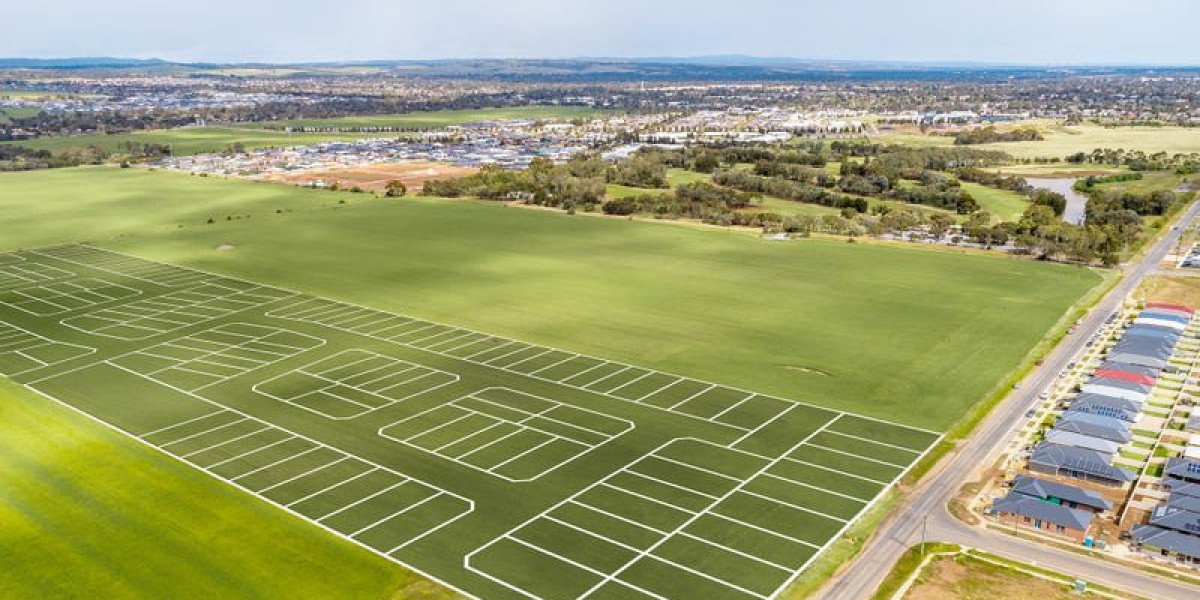

Buying land for the first time is an exciting milestone. It represents possibility, long-term security, and the freedom to build something that truly fits your lifestyle. However, residential land development is different from buying an established home, and first-time buyers often underestimate the planning, research, and decision-making involved.
Understanding how residential developments work, what factors influence land value, and what to watch out for can save you from costly mistakes. This guide breaks down everything first-time land buyers should know before investing in residential development.
Understanding Residential Development
Residential development refers to land that has been planned, approved, and prepared for housing. These developments usually include infrastructure such as roads, drainage, utilities, parks, and community amenities.
Unlike rural or undeveloped land, residential developments are designed to support long-term living. Buyers typically purchase a titled or near-title block and then build a home through a builder of their choice or a preferred partner.
For first-time buyers, this means fewer unknowns, but it also requires understanding zoning, planning approvals, and development timelines.
Why Buying Land Is Different From Buying a House
When you buy an existing home, you can inspect the property, assess the neighbourhood, and move in relatively quickly. Land purchases, however, involve future outcomes.
With land, you are buying potential. That potential depends on:
The quality of the development
Local infrastructure plans
Builder guidelines and restrictions
Long-term suburb growth
Market demand for the area
This is why research matters more with land than with most other property purchases.
Location Still Matters—Even for Empty Land
Many first-time buyers focus only on land price, but location remains the biggest driver of long-term value. Residential developments closer to employment hubs, schools, transport, and shopping centres tend to perform better over time.
Well-planned estates with access to lifestyle amenities also attract owner-occupiers rather than short-term investors, which helps stabilise property values.
Some master-planned communities like Limestone Estate are designed with long-term liveability in mind, combining residential blocks with green spaces, connectivity, and community-focused planning.
Know the Type of Land You’re Buying
Not all residential land is the same. First-time buyers should understand these common land types:
Titled land: Ready to build immediately
Untitled land: Still undergoing approvals or construction
House and land packages: Land bundled with a specific home design
Vacant residential blocks: Freedom to choose your own builder
Each option has different timelines, costs, and flexibility. Untitled land may be cheaper initially but involves waiting periods that affect financing and planning.
Understand Estate Guidelines and Building Covenants
Most residential developments have design guidelines or covenants that control what can be built. These rules protect the overall look and value of the community but may limit design freedom.
Common guidelines include:
Minimum home size
Façade design standards
Roof colours and materials
Landscaping requirements
Fencing rules
Before committing, ensure the guidelines align with your budget and home design expectations.
Budget Beyond the Land Price
One of the biggest mistakes first-time land buyers make is underestimating total costs. Land price is just the starting point.
Additional costs may include:
Stamp duty
Registration and legal fees
Site preparation and soil testing
Utility connection fees
Driveways, fencing, and landscaping
Building upgrades required by estate guidelines
A clear, realistic budget helps avoid stress once construction begins.
Financing and Loan Considerations
Land loans work differently from standard home loans. Lenders often require higher deposits for land purchases, especially if the land is untitled.
Key financing points to consider:
Loan-to-value ratios may be lower
Interest-only payments may apply until construction
Separate loans may be needed for land and build
Valuations are based on future market assumptions
Speaking to a broker early can help you understand borrowing limits and timing.
Infrastructure and Future Growth Matter
Residential developments often grow in stages. While early buyers benefit from lower prices, amenities may take time to appear.
Research local council plans for:
Road upgrades
Public transport expansion
Schools and childcare centres
Retail and medical hubs
Areas with strong infrastructure commitments tend to experience better long-term growth and stronger resale demand.
Title Timing and Settlement Periods
For first-time buyers, title timing can be confusing. Some developments allow you to secure land early, with settlement occurring months later once infrastructure is complete.
This can be beneficial, as it allows time to save, plan, and finalise designs. However, delays can occur due to weather, approvals, or construction challenges.
Always confirm:
Expected title date
Sunset clauses
Penalties or flexibility around delays
Think Long-Term, Not Just Short-Term
Residential land is rarely a short-term investment. Value growth comes from population growth, infrastructure development, and community maturity.
This is where understanding why invest in property becomes important. Land in well-planned developments historically benefits from scarcity, rising demand, and improved amenities over time.
Approaching your purchase with a long-term mindset helps you choose better locations and avoid emotionally driven decisions.
Choose the Right Builder (If You’re Building)
If you plan to build, your builder choice is as important as your land choice. Not all builders are familiar with every estate’s guidelines.
Look for builders who:
Have experience in the estate
Offer transparent pricing
Provide fixed-price contracts
Have strong construction timelines
Communicate clearly throughout the process
A reliable builder reduces stress and helps protect your investment.
Red Flags First-Time Buyers Should Watch For
Before signing anything, be cautious of:
Vague title timelines
Hidden infrastructure or connection fees
Unrealistic growth promises
Pressure tactics to “buy today”
Lack of documentation or approvals
A reputable developer will provide clear information and allow time for due diligence.
Final Thoughts
Buying land in a residential development can be one of the most rewarding property decisions for first-time buyers—when done correctly. Understanding the development process, budgeting realistically, researching location fundamentals, and planning for the long term are key to success.
With the right preparation, residential land can offer flexibility, lifestyle benefits, and strong future potential. Taking the time to learn before you buy ensures your first land purchase becomes a foundation for long-term security rather than an expensive learning curve.