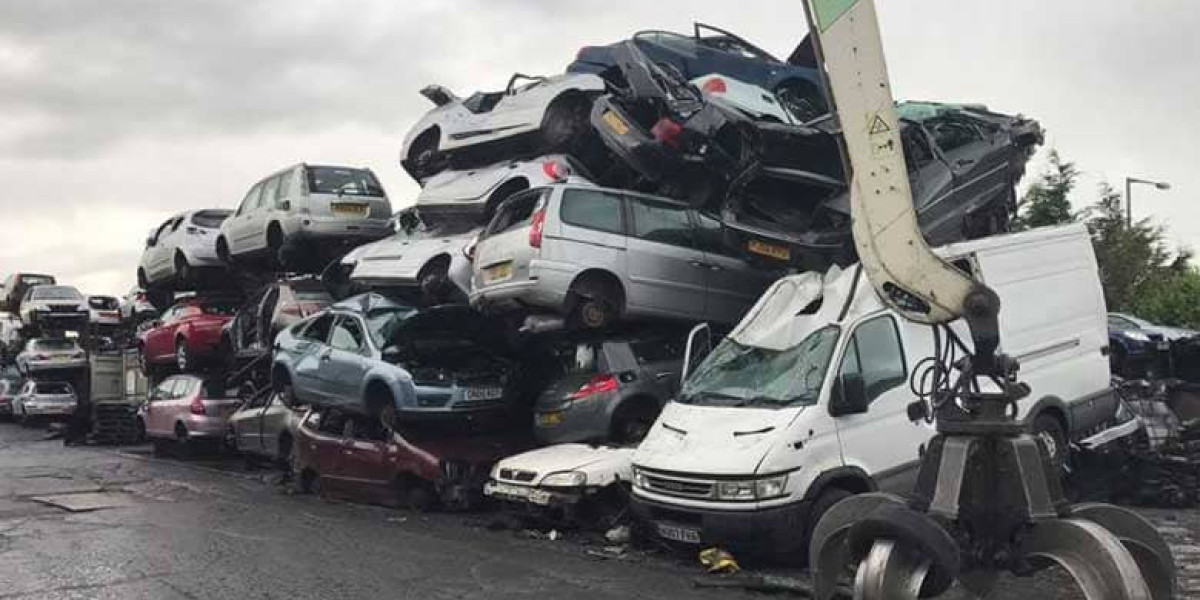

Every year, thousands of vehicles across Australia reach the end of their working life. Some fail safety checks. Some suffer damage beyond repair. Others simply age to a point where repairs cost more than the car itself. In Townsville, these vehicles often end up in scrap yards, places many people drive past without giving much thought. Yet behind the gates, there is a detailed and carefully managed process that turns worn-out cars into useful materials again.
This article explains what really happens to end-of-life cars once they arrive at scrap yards in Townsville. It focuses on facts, processes, and real outcomes rather than sales talk. From arrival to dismantling, and from material recovery to environmental care, every stage plays a role in keeping waste out of landfill and materials in use.
Learn more: https://www.cash4carstownsville.com.au/
Understanding End-of-Life Vehicles
An end-of-life vehicle is a car that can no longer be driven safely or legally on public roads. In Australia, many of these vehicles are removed due to mechanical failure, accident damage, corrosion, or age. According to industry data, a large portion of a car can still be reused or recycled even when the vehicle itself no longer functions.
Modern cars contain steel, aluminium, copper, rubber, plastics, glass, and electronic parts. When handled correctly, more than three quarters of a vehicle by weight can be recovered. Scrap yards exist to manage this process in a controlled and lawful way.
Arrival at a Townsville Scrap Yard
When a vehicle reaches a scrap yard in Townsville, it is logged into a system for tracking. Basic details such as make, model, year, and condition are recorded. This step matters because it helps determine which parts may still have working life left and which materials can be recovered later.
The vehicle is placed in a holding area while staff plan the next steps. Cars do not go straight to crushing or shredding. Each vehicle follows a sequence designed to recover materials safely.
Fluid Removal and Safety Preparation
One of the first tasks involves removing fluids. Cars contain several liquids that must not leak into soil or drains. These include:
Engine oil
Transmission fluid
Brake fluid
Coolant
Power steering fluid
Fuel
Each fluid is drained using sealed equipment. These liquids are stored in approved containers and sent for proper treatment or recycling. For example, used engine oil can be refined and reused in industrial settings.
This stage protects the local environment and meets Australian waste handling rules. Townsville scrap yards operate under state and local regulations that control how fluids and chemicals are managed.
Battery and Hazard Removal
Vehicle batteries contain lead and acid, both of which require careful handling. Batteries are removed early in the process and stored separately. In Australia, lead from batteries is widely recycled and reused in new battery production.
Other items removed at this stage include airbags and seat belt pre-tensioners. These parts contain small explosive charges. Trained workers neutralise them to prevent injury during later stages of dismantling.
Dismantling for Reusable Parts
After safety steps are complete, dismantling begins. This stage focuses on removing parts that still work and may serve another vehicle. Common parts taken out include:
Engines and gearboxes
Alternators and starter motors
Doors, mirrors, and panels
Headlights and tail lights
Wheels and tyres
Each part is checked for condition. Items that pass inspection are cleaned and stored. Reusing parts reduces the need to manufacture new ones, which lowers energy use and raw material demand.
This part of the process shows how scrap yards support a circular economy. Cars that no longer drive still help keep other vehicles running.
Tyre Handling and Rubber Recovery
Tyres are removed from wheels and sorted by condition. Tyres that show usable tread may be repurposed in limited ways, while damaged tyres move to rubber recycling streams.
In Australia, car recyclers townsville rubber is often used in road surfaces, playground flooring, and sports areas. This keeps large volumes of rubber out of landfill, where tyres can take decades to break down.
Body Crushing and Metal Separation
Once usable parts are removed, the remaining car body is ready for size reduction. The shell is flattened using heavy equipment. Crushing reduces space and prepares the metal for transport.
Crushed car bodies are sent to shredding facilities. These machines break the metal into small pieces. Advanced separation systems then divide materials by type using magnets, air flow, and density differences.
Steel, which makes up a large share of most vehicles, is separated and sent to metal processors. Aluminium from panels and engine parts is sorted as well. These metals can be melted and reused many times without losing strength.
What Happens to Plastics and Glass
Cars contain many plastic parts, from dashboards to bumpers. Not all plastics are the same, which makes recycling complex. Scrap yards sort plastics by type where possible. Some plastics are recycled into new automotive components or construction products.
Glass from windscreens and windows is also recovered. Automotive glass often contains layers for strength, which means it follows a separate recycling path. Recovered glass can be used in construction materials and road base.
Environmental Role of Townsville Scrap Yards
Scrap yards in Townsville play a key role in local environmental care. North Queensland has unique ecosystems, and waste control matters greatly in this region. By removing fluids, sorting materials, and managing waste streams, scrap yards help prevent soil and water contamination.
Recycling metals also saves energy. Producing steel from recycled material uses far less energy than making it from raw iron ore. This reduces greenhouse gas emissions linked to mining and manufacturing.
Through proper handling of end-of-life vehicles, scrap yards reduce pressure on landfill sites and cut demand for new raw materials.
Legal and Industry Standards
Australian scrap yards operate under rules set by environmental authorities. These rules cover storage, fluid handling, waste transport, and reporting. Vehicles cannot be dismantled without meeting these standards.
Staff receive training to handle materials safely. Equipment is inspected, and processes are audited. These controls exist to protect workers, nearby communities, and the environment.
Why Public Awareness Matters
Many people view scrap yards as places of waste. In reality, they are sites of recovery and reuse. Understanding what happens to end-of-life cars helps change this view.
When a car reaches a scrap yard, it does not simply disappear. It goes through a system designed to recover materials, reduce harm, and support other industries. The work done at car recyclers townsville connects directly to metal production, construction, road building, and manufacturing across Australia.
The Journey from Worn-Out Car to New Material
By the time the process ends, very little of the original vehicle remains unused. Metals reappear in new products. Fluids are treated or refined. Rubber finds new purpose. Even small electronic components are handled through recycling streams.
This journey shows how a vehicle that once moved people and goods can continue to contribute long after its final drive. Scrap yards make this possible through careful work, planning, and respect for environmental rules.
Closing Thoughts
End-of-life cars in Townsville scrap yards follow a clear and methodical path. From safe preparation and dismantling to metal recovery and waste control, each step serves a purpose. These yards operate as part of a larger system that values reuse over disposal.
Understanding this process helps reveal the real role scrap yards play in modern society. They are not the end of the road for vehicles. They are a transition point where old machines become part of something new again.