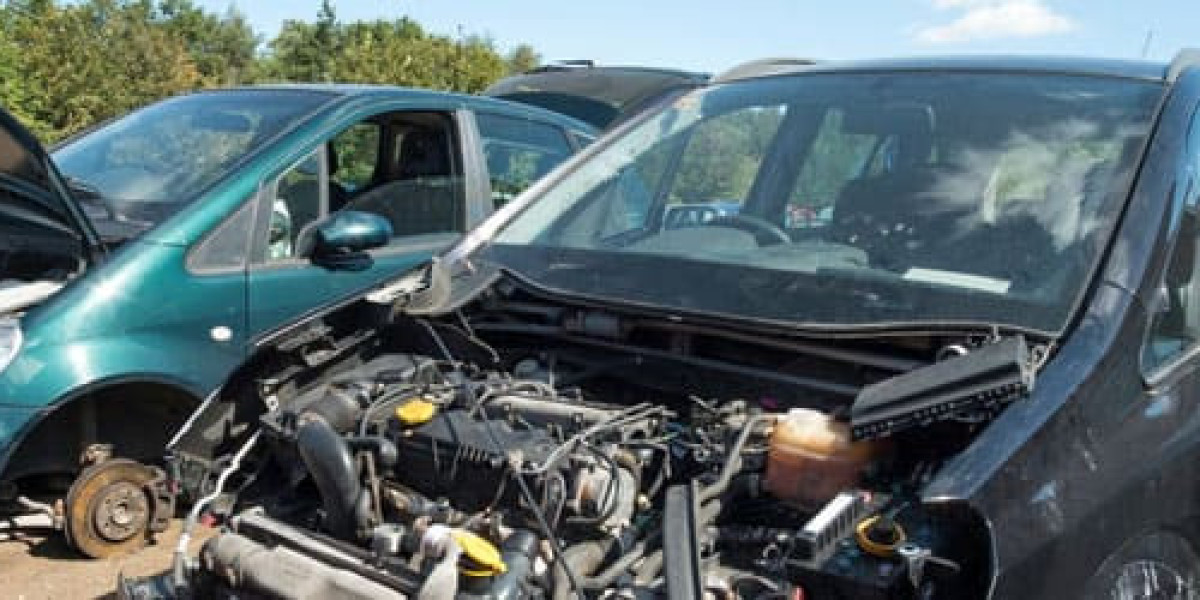

Classic cars once ruled Australian roads. They carried families, tools, dreams, and long trips across dry highways. Over time, many of these vehicles slipped out of daily use. Some were parked with care. Others were left behind in yards, paddocks, and sheds. These places later became forgotten yards, where automotive legends slowly faded from memory.
This article explores how classic cars ended up in forgotten yards, why many were nearly lost, and how their stories still matter today.
The Golden Age of Classic Cars
Between the 1940s and 1970s, car ownership in Australia grew at a steady pace. Brands like Holden, Ford, Chrysler, and Volkswagen became part of daily life. Cars such as the Holden FX, Ford Falcon, and Valiant were built to handle long distances and harsh conditions.
During this period, cars were made with solid steel bodies and simple mechanical parts. Owners often fixed problems at home. Spare parts were common, and repairs did not need complex tools. Cars stayed on the road for many years.
At that time, few people thought about keeping cars as future classics. They were tools, not museum pieces.
How Cars Slipped Into Forgotten Yards
As newer models arrived, older vehicles lost their place. Fuel costs rose. Safety rules changed. Comfort features improved. Many drivers chose modern cars and left the old ones behind.
Some common reasons cars ended up in forgotten yards include:
Owners planned to restore them later but never did
Registration costs became too high
Engines failed and repairs were delayed
Owners moved or passed away
Farms and workshops stored unused vehicles for spare parts
Over time, grass grew around tyres. Rust spread across panels. Animals nested in cabins. What once turned heads on the road became part of the landscape.
Australian Climate and Its Effect on Stored Cars
Australia has a harsh climate for stored vehicles. Heat dries rubber seals. Sunlight damages paint and dashboards. Moist coastal air speeds up rust. Inland dust settles into engines and interiors.
Cars left in open yards suffered the most. Even those stored under simple shelters faced damage. Without regular care, oil thickened, fuel lines cracked, and electrical systems failed.
Many cars reached a point where repair seemed unlikely. Owners often believed the cars had no worth.
Rare Models That Nearly Vanished
Some models that now attract collectors once sat forgotten. Examples include early Holden utes, two door Falcons, and panel vans from the 1970s. At one stage, these vehicles were common and cheap.
During the 1980s and 1990s, many rare cars were sent for scrap. Few people tracked production numbers. Historical records were limited. Once a car was crushed, its story ended.
This loss means some models now exist in very small numbers. Their absence has shaped how people view Australian motoring history.
The Role of Wrecking Yards in Car History
Wrecking yards played a major role in this cycle. They provided parts to keep other cars running. At the same time, they became resting places for vehicles that would never return to the road.
Some yards kept cars lined up for decades. Paint faded, but shapes remained. These yards became unplanned archives. They showed design trends, body styles, and mechanical changes across years.
In many cases, yard owners did not see the future interest in these cars. Space was limited, and demand for scrap metal rose. Many vehicles were cleared without records or photos.
Changing Views on Old Cars
Public views began to shift in the late 1990s. Car clubs grew. Restoration shows gained attention. Magazines shared stories of barn finds and yard rescues.
People started to see old cars as part of cultural history. Restoring a vehicle became a way to preserve memories. Prices rose for models once ignored.
This shift came too late for many cars. Still, it helped save those that remained.
Forgotten Yards as Time Capsules
A forgotten yard tells a story. Each vehicle shows signs of its last use. Tools left in boots. Stickers on windows. Wear on seats.
These details give insight into daily life from past decades. They show how people worked, travelled, and lived. For historians, these yards offer more than metal. They offer context.
Sadly, many yards were cleared before this value was understood.
When Restoration Is Not Possible
Not every car can be restored. Severe rust, missing parts, and structural damage can make repairs unsafe or unrealistic. In these cases, parts recycling helps other vehicles survive.
This process still supports car history. One car may not return to the road, but its parts may keep several others running.
Broken Car Removal services often handle vehicles that have reached this stage. These services remove unusable cars while allowing parts to be reused or recycled.
A Practical Link Between Past and Present
There are times when owners face a hard choice. A car may hold memories but also take up space and decay further. A logical step can protect the wider car community.
One service in North Brisbane works with this reality. North Brisbane Wreckers handles old and damaged vehicles with care for their remaining parts. In cases where restoration is no longer safe, the process helps reduce waste and supports other vehicles still on the road. This approach fits naturally into the story of forgotten yards, where some cars find a final purpose rather than being left to disappear without trace.
Why These Stories Still Matter
Classic cars show how design, transport, and culture changed over time. Forgotten yards remind us how quickly objects can lose value when trends shift. They also show how value can return when people look back with new interest.
By understanding why automotive legends almost disappeared, current owners can make informed choices. Storage, care, and documentation now play a key role in keeping history alive.
Conclusion
Classic cars did not vanish overnight. They faded slowly in forgotten yards across Australia. Heat, rust, and neglect did the work of time. Some were lost forever. Others were saved just in time.
These stories matter because they connect people to the past. They show that history does not always sit in museums. Sometimes, it waits quietly behind tall grass and old fences, hoping someone remembers.