
On-Page SEO Techniques That Drive More Organic Traffic
On-page SEO is the foundation of successful search engine optimization. No matter how strong your backlinks are, your website will struggle to rank if on-page elements are not properly optimized. In this guide, you’ll learn proven on-page SEO techniques that help search engines understand your content and drive more organic traffic consistently.
What Is On-Page SEO?
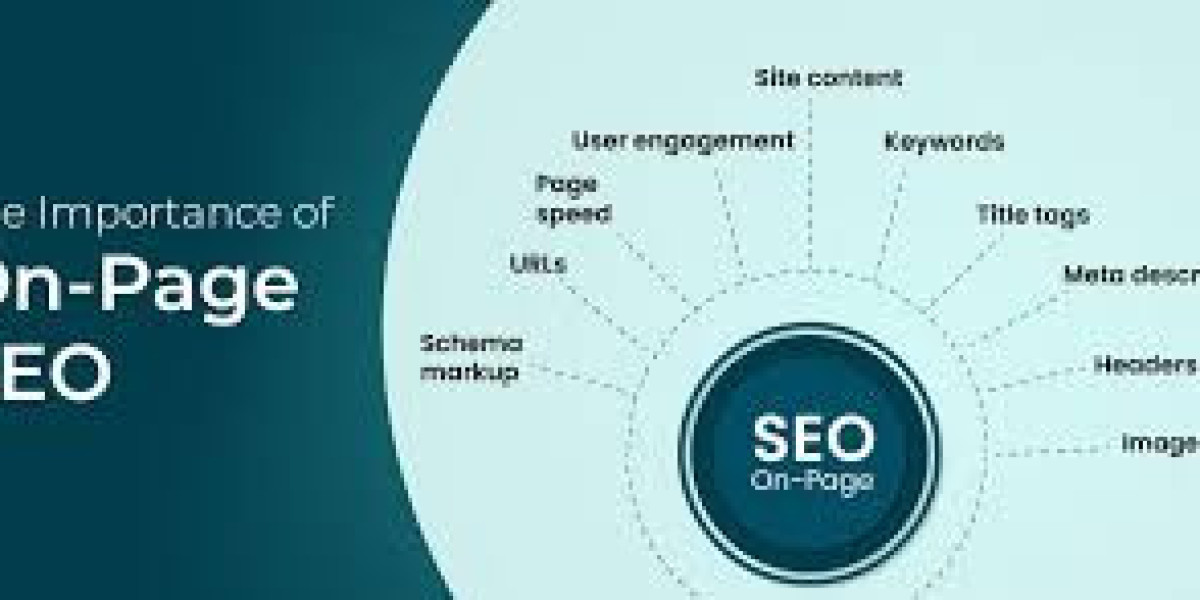
On-page SEO refers to optimizing individual web pages to improve rankings and attract relevant traffic from search engines. It includes content optimization, HTML elements, internal links, and user experience signals.
Why On-Page SEO Matters for Google Rankings
Google’s algorithms focus on relevance, quality, and usability. Proper on-page SEO ensures:
Better keyword targeting
Improved crawlability and indexing
Higher user engagement and lower bounce rates
Keyword Research and Search Intent Optimization
Understanding what users are searching for is the first step in on-page SEO success.
Choosing the Right Primary Keyword
Select one main keyword per page that has:
High search intent relevance
Moderate competition
Strong traffic potential
Use the primary keyword naturally in titles, headings, and content.
Matching Search Intent Correctly
Content should align with user intent:
Informational: guides, tutorials
Navigational: brand or product pages
Transactional: service or product pages
Matching intent increases dwell time and rankings.
Optimizing Title Tags and Meta Descriptions
Title tags and meta descriptions directly impact click-through rate (CTR).
Writing SEO-Friendly Title Tags
Best practices include:
Place the main keyword at the beginning
Keep length under 60 characters
Use power words like “Proven,” “Complete,” or “Best”
Crafting High-CTR Meta Descriptions
Although not a ranking factor, meta descriptions improve clicks:
150–160 characters
Include primary and secondary keywords
Clearly describe page benefits
Content Optimization for Higher Rankings
Content quality remains one of the strongest on-page SEO factors.
Creating High-Quality, In-Depth Content
Google favors content that:
Fully answers the search query
Is original and well-structured
Demonstrates expertise and trust
Aim for comprehensive coverage rather than keyword stuffing.
Proper Use of Headings (H1 to H6)
Headings improve readability and SEO:
Use H1 once for the main topic
Use H2 for major sections
Use H3–H6 for subtopics
This structure helps search engines understand content hierarchy.
URL Structure and Internal Linking
Technical clarity improves both crawling and user experience.
SEO-Friendly URL Optimization
Best practices for URLs:
Short and descriptive
Include the main keyword
Avoid numbers and unnecessary parameters
Example:example.com/on-page-seo-techniques
Strategic Internal Linking
Internal links:
Distribute page authority
Help search engines discover content
Improve user navigation
Link related articles using relevant anchor text.
Image Optimization and Media SEO
Images enhance user engagement but must be optimized.
Image File Names and Alt Text
Optimize images by:
Using descriptive file names
Adding keyword-relevant alt text
Compressing images for faster load speed
Using Visuals to Improve Engagement
High-quality visuals reduce bounce rate and increase time on page, which indirectly supports SEO performance.
Page Speed and Mobile Optimization
User experience is a major ranking signal.
Improving Page Load Speed
Key speed optimization techniques:
Compress images
Minify CSS and JavaScript
Use browser caching
Faster pages lead to higher rankings and conversions.
Mobile-Friendly Design
Google uses mobile-first indexing. Ensure:
Responsive design
Readable text on small screens
Clickable buttons with proper spacing
User Experience and Engagement Signals
Search engines measure how users interact with your site.
Reducing Bounce Rate
Improve engagement by:
Writing compelling introductions
Using short paragraphs and bullet points
Adding internal links and visuals
Increasing Time on Page
Longer dwell time signals content quality. Use:
Clear structure
Actionable insights
Related content suggestions
Schema Markup and Advanced On-Page SEO
Structured data enhances visibility in search results.
Using Schema Markup Correctly
Schema helps Google display:
FAQs
Reviews
How-to steps
Rich results can significantly improve CTR.
Optimizing for Featured Snippets
To rank in featured snippets:
Answer questions clearly
Use lists and tables
Place concise answers near headings
Final Thoughts on On-Page SEO Success
On-page SEO is not a one-time task—it’s an ongoing optimization process. By focusing on keyword intent, content quality, technical structure, and user experience, you can drive sustainable organic traffic without relying heavily on backlinks.
Key Takeaways for Better Rankings
Optimize every page around one primary keyword
Use clean heading structure from H1 to H6
Improve page speed, mobile usability, and internal linking
Prioritize value-driven content over keyword density