
Left Ventricular Assist Devices (LVADs) are sophisticated mechanical circulatory support systems used to support patients with advanced heart failure. These systems include an implanted pump, an external controller, and power sources (batteries or power unit) that patients must carry and manage daily. In addition to medical equipment, well‑chosen accessories greatly enhance comfort, safety, and quality of life. LVAD accessories fall into practical gear, lifestyle aids, and supportive clothing that integrate the device into everyday activities while protecting both the patient and equipment.
Understanding LVAD Therapy and the Importance of Patient Accessories
LVAD therapy has transformed the prognosis of patients with end‑stage heart failure by providing durable circulatory support either as a bridge to heart transplantation or as long‑term therapy. The complexity of living with an LVAD extends beyond the surgical implant; patients must adapt to carrying external components, maintaining driveline care, and integrating device management into daily life. Understanding signs of a good heart helps clinicians monitor cardiovascular health and optimize therapy outcomes.
Accessories tailored for LVAD patients make these tasks safer, more comfortable, and more discreet. This article provides an authoritative examination of key LVAD accessories, focusing on how they integrate with clinical practices and daily living. It covers essential gear such as power management tools, lvad clothing for patients, and items that mitigate common challenges while living with mechanical circulatory support.
Essential LVAD Accessories for Daily Use
Power & Protection Accessories
LVAD systems are powered by batteries that must be carried at all times. Having extra fully charged backup batteries is vital to prevent interruption in life‑supporting blood flow, as many continuous‑flow LVADs operate for hours on battery power alone. Professional care teams recommend carrying at least one spare set, and managing battery life carefully during travel or prolonged outings.
A battery holster or adjustable belt pouch allows secure and comfortable carriage of batteries on the body. These holsters distribute weight and reduce strain during movement — a key consideration since improper support can lead to musculoskeletal discomfort.
Controller Carrying Cases and Wearable Vests
The controller is the “brains” of the LVAD system. A durable, purpose‑built carrying case protects it from bumps, moisture, and accidental disconnection. Many controller cases feature shoulder straps, belt clips, or vest attachments that stabilize the controller during daily tasks.
Holster vests or mesh vests spread the load of batteries and controllers across the torso, improving balance and comfort while walking, doing errands, or during physical therapy.
Shower Bags & Driveline Covers
Protective shower bags are waterproof enclosures designed to keep the controller and batteries dry during bathing. Their clear windows allow controller monitoring without direct exposure to moisture — a critical feature since water exposure can damage sensitive equipment.
External driveline covers protect the driveline cable where it exits the body by reducing tangles and shielding against abrasion and accidental pulls. Such covers help patients maintain confidence and reduce risk of skin irritation or damage to this essential connection.
Specialized Clothing: Integrating LVAD Support and Daily Life
Appropriate clothing for LVAD patients is more than a comfort consideration; it plays a role in maintaining device security and driveline safety.
LVAD‑Specific Apparel
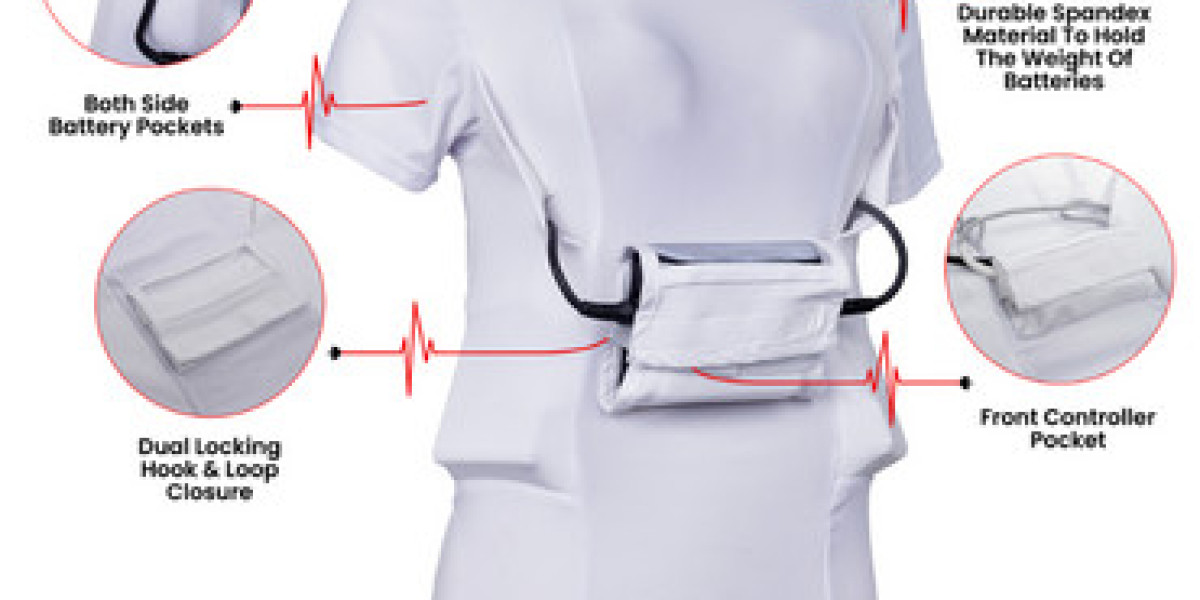
LVAD clothing for patients is designed to integrate device carriage into everyday wear. Such items include shirts, vests, and tops with built‑in compartments for the controller and batteries, distributing weight and reducing mechanical strain while keeping components discreetly secured.
The design emphasizes soft, elastic, breathable fabrics that conform around the device and body without compressing or irritating the driveline exit site. These garments often incorporate secure pockets, adjustable straps, and lightweight materials to maintain comfort during prolonged wear.
Examples of specialized LVAD clothing include:
LVAD shirts and tank tops with dedicated pouches for controllers and batteries.
LVAD vests that balance weight and prevent components from shifting.
Compression tops or jackets with hidden compartments are ideal for cooler weather.
These clothing solutions help patients participate in normal life activities — from work to social outings — without compromising device safety or drawing undue attention to the LVAD system.
Benefits and Use Cases
Improving Comfort and Mobility
Purpose‑built accessories reduce the physical burden of carrying LVAD components, distribute weight ergonomically, and allow patients to perform daily tasks with greater ease. Many users find that integrating the controller and batteries into clothing or wearable gear minimizes gait disturbance and fatigue.
Enhancing Safety
Protective accessories like shower bags and driveline covers reduce exposure to water and mechanical stress, lowering the risk of damage to components and infection at the driveline exit site. Stylized carrying options also reduce the likelihood of accidental disconnections during movement.
Psychological and Social Integration
Discreet LVAD apparel enables patients to blend device management into their wardrobe, helping maintain confidence in social settings. Tailoring clothing solutions to lifestyle needs can improve psychological comfort and reduce self‑consciousness about living with a mechanical device.
Common Misconceptions
Regular clothing is sufficient for LVAD management.
Standard clothing often lacks secure pockets or support mechanisms, which can result in awkward positioning of batteries and controllers, potentially leading to discomfort or accidental tugging of the driveline. Specialized LVAD clothing offers structured storage and ergonomic fit designed for a patient’s unique needs.
Extra accessories are optional.
In reality, accessories like backup batteries, protective cases, and wearable supports are essential components of LVAD therapy for most patients. They support uninterrupted device function and contribute to safety and quality of life.
Conclusion
Well‑selected accessories are a foundational part of effective LVAD therapy, offering practical solutions for daily challenges posed by mechanical circulatory support systems. From power management tools and protective gear to specialized clothing solutions, each accessory plays a role in enhancing patient comfort, safety, and autonomy. Understanding how these tools integrate with clinical care and daily life ensures that patients living with LVADs can maintain mobility, engage in normal activities, and manage their therapy with confidence and dignity. Continued collaboration between patients, clinicians, and designers of LVAD gear will further advance quality of life outcomes for this growing patient population.
FAQs
1. What are the key LVAD accessories recommended for daily life?
Essential accessories include backup batteries, battery holsters, controller carrying cases, shower bags, wearable vests, and driveline covers that protect and stabilize the LVAD system during routine activities.
2. How does LVAD‑specific clothing benefit patients?
LVAD clothing integrates device components into daily wear, providing secure storage, weight distribution, and discreet carry options, reducing strain and visibility of the equipment.
3. Are extra batteries necessary beyond those supplied?
Yes — carrying additional charged batteries ensures continuous device operation during travel or extended periods away from power sources.
4. What should be considered when selecting a carrying case?
Durability, ease of access to controls, secure closures, and ergonomic comfort are key factors for controller cases and wearable vests.
5. Can accessories affect driveline infection risk?
Accessories like covers and secure vest pockets reduce tugs and mechanical stress on the driveline, indirectly lowering driveline site irritation and infection risk. Careful daily driveline care remains essential.
6. How should LVAD patients approach clothing choices seasonally?
In cooler seasons, layering specialized gear under jackets with hidden pockets enhances comfort; in warmer months, breathable LVAD shirts and tank tops maintain airflow and reduce heat retention.
7. Are there travel‑specific accessories for LVAD users?
Yes — travel gear includes slim backpacks, cross‑body bags, and comprehensive system checklists that include spare power equipment and medical documentation.