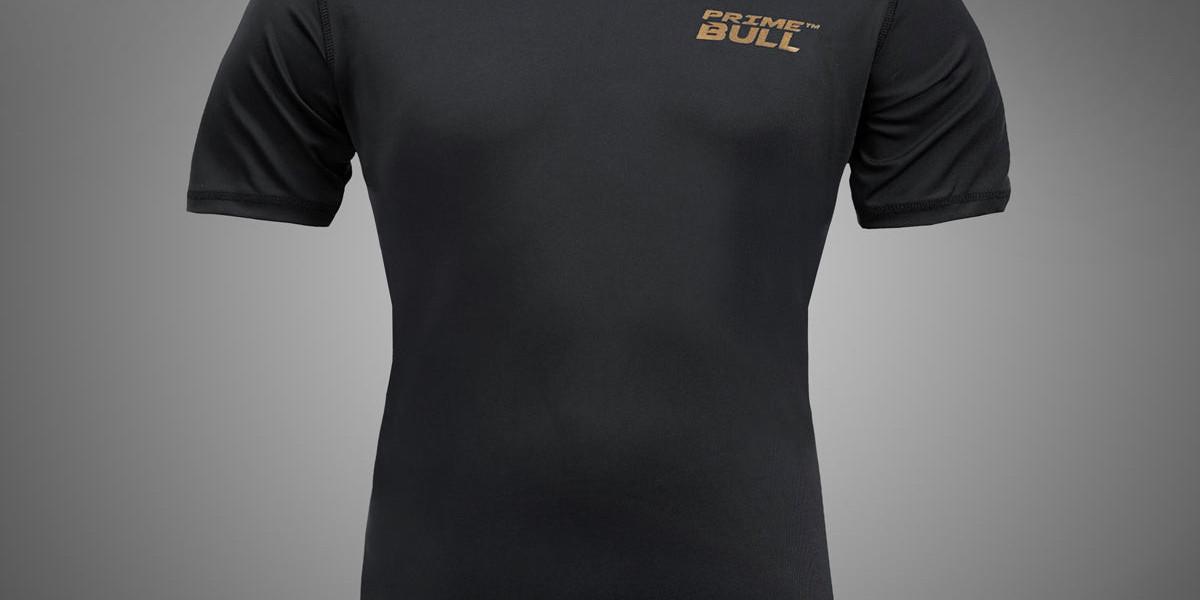

Rash guards are purpose‑built performance garments designed to protect the skin and enhance comfort during water and athletic activities. Originally developed for surfers to guard against skin irritation caused by friction with surfboards and wax, rash guards have evolved into versatile athletic wear used across sports and outdoor pursuits. This article provides a thorough, expert‑oriented exploration of rash guards for men, focusing on what does a rash guard do and the specific design, function, and practical applications of rash guards for men.
Introduction
A rash guard is a fitted, technical shirt made from synthetic stretch materials such as polyester, nylon, spandex, or blends thereof. These garments are engineered to out‑perform standard cotton or casual shirts in demanding conditions by offering protective, hydrodynamic, and thermoregulatory properties.
In contemporary sports and outdoor contexts, rash guards serve multiple roles: they mitigate skin abrasion, offer ultraviolet (UV) protection, regulate body temperature in aquatic environments, and provide compression benefits. Understanding the mechanics and utility of rash guards enables individuals to select and use them effectively in relation to their athletic goals and environmental conditions.
This article sets clear expectations for readers seeking a rigorous, evidence‑based understanding of rash guards, particularly as they apply to men.
Defining a Rash Guard
A rash guard is a type of performance shirt, typically available in long‑sleeved or short‑sleeved styles, that is engineered for multiple functional purposes. It is form‑fitting, designed to conform closely to the body to minimize drag and friction during athletic activities. Constructed from high‑performance fabrics, a rash guard manages moisture, protects the skin from harmful UV rays, and resists stretch deformation, ensuring durability and consistent performance. Additionally, it serves a protective role by reducing abrasion, or “rashes,” caused by contact with equipment, environmental surfaces, or other athletes. The term “rash guard” originates from its initial use in surfing, where the primary purpose was to prevent skin irritation resulting from repeated contact with a surfboard’s waxed deck.
What Does a Rash Guard Do?
A rash guard serves several interrelated functions in athletic and water environments:
Skin Protection and Abrasion Resistance
Rash guards minimize chafing and skin irritation caused by friction between the skin and external surfaces (e.g., surfboards, wetsuits, athletic gear). The smooth, low‑friction surface of technical fabrics significantly reduces mechanical abrasion.
For an in‑depth discussion on fabrication and design considerations—including graphic printing and sublimation processes used in creating custom rash guards—refer to what does a rash guard do.
UV Protection
Many rash guards are rated with UPF (Ultraviolet Protection Factor), indicating their effectiveness in blocking harmful UV radiation. A UPF rating of 50+ is common in performance rash guards, meaning that they block more than 98% of UVB and UVA rays. This is essential for prolonged outdoor exposure where sunburn and long‑term skin damage are concerns.
Temperature Regulation and Moisture Management
Technical fabrics used in rash guards wick moisture away from the skin, facilitating rapid evaporation. In aquatic environments, they can provide a degree of thermal insulation and reduce convective heat loss when wet. On land, moisture‑wicking properties help maintain dryness and comfort during intense activity.
Compression and Muscular Support
High‑compression rash guards apply controlled pressure to musculature, which can aid proprioception, reduce muscle oscillation, and enhance circulation. These effects are akin to compression apparel used in other sports disciplines.
Rash Guards for Men: Design and Functional Considerations
Men’s rash guards exhibit design features tailored to male anatomy and typical use cases. Rash guards for men are available in a range of styles—from minimalist short‑sleeve designs to full‑coverage long sleeves—and are engineered for diverse activities including surfing, swimming, stand‑up paddleboarding (SUP), Brazilian Jiu‑Jitsu (BJJ), and triathlon.
Men’s specific engineering includes:
Anatomical fit: Contoured cuts for shoulder breadth, chest girth, and torso length.
Reinforced seams: Flatlock stitching to enhance durability and reduce irritation.
Performance UV protection: Extended coverage in high‑sun environments.
A broad selection of high‑quality men’s rash guards can be explored here: rash guards for men.
Core Benefits
Enhanced Comfort During Activity
Compared to loose or non‑technical shirts, rash guards maintain a stable fit and reduce material bunching. This results in fewer distractions and a more focused performance experience.
Protection Across Environments
Whether in saltwater, chlorinated pools, or during contact sports, rash guards provide surface protection, sun defense, and moisture control.
Durability and Longevity
Technical fabrics and reinforced construction yield garments that withstand repeated use, frequent washing, and exposure to environmental stressors inherent in athletic contexts.
Professional Insights and Best Practices
Fit and Sizing
Experts recommend selecting rash guards that are snug but not restrictive. A fit that is too loose undermines protective and hydrodynamic functions, while an overly tight fit can impede circulation and movement.
Choice by Activity
Surfing & Water Sports: Full‑coverage long sleeves with high UPF ratings.
BJJ & MMA: Compression‑oriented rash guards with reinforced seams for grappling.
Swimming & Triathlon: Low‑drag profiles optimized for minimal water resistance.
Fabric Performance Metrics
Key metrics to consider include:
UPF rating: Measures UV protection.
Stretch recovery: Indicates how well fabric returns to its original shape.
Moisture‑wicking capability: Determines sweat management efficiency.
Common Mistakes and Misconceptions
Rash Guards Are Only for Surfers
While originally surf apparel, rash guards are now essential across multiple sports and environments requiring protection against abrasion, sun exposure, and moisture.
Choosing Based on Price Alone
Lower price points can equate to inferior fabric technology, diminished UV protection, and suboptimal seam construction. Selection should prioritize performance specifications over cost.
Compression Levels
Not all compression is equal. Overly aggressive compression can restrict movement or blood flow. Proper sizing ensures intended physiological benefits without adverse effects.
Conclusion
Rash guards represent a highly utilitarian category of athletic wear that combines protective, performance, and comfort‑enhancing functions. For men engaging in water sports, combat disciplines, or outdoor activities, understanding what does a rash guard do and the specific considerations inherent in rash guards for men enables informed selection and effective use. Through a combination of technical fabric performance, thoughtful design, and activity‑specific tailoring, rash guards help reduce injury risk, manage environmental exposure, and support athletic performance across diverse contexts. Informed choices based on activity demands, environmental conditions, and performance requirements yield the greatest benefits from this specialized apparel category.
FAQs
1. How does a rash guard differ from a wetsuit?
A rash guard is a lightweight, form‑fitting top that offers skin protection and UV defense without significant thermal insulation. Wetsuits are thicker neoprene garments designed primarily for thermal protection in cold water.
2. Can rash guards prevent sunburn?
Yes. Rash guards with a UPF rating effectively block a substantial portion of UV radiation, reducing the risk of sunburn compared to bare skin.
3. Are rash guards suitable for swimming in pools?
Yes. Rash guards provide chlorine‑resistant protection, reduce drag, and help maintain comfort during extended swim sessions.
4. Do rash guards help with muscle performance?
Compression‑oriented rash guards can support muscle alignment and circulation, potentially aiding performance and recovery in some athletic contexts.
5. How should a rash guard fit?
A rash guard should be snug without restricting movement. It should lie flat against the skin without wrinkles or excess fabric.
6. Can rash guards be worn under a wetsuit?
Yes. Thin rash guards are commonly worn under wetsuits to reduce chafing and add a layer of insulation.
7. How do men’s rash guards differ from unisex designs?
Men’s rash guards are cut to accommodate typical male body proportions, with consideration for shoulder width, torso length, and muscle distribution.