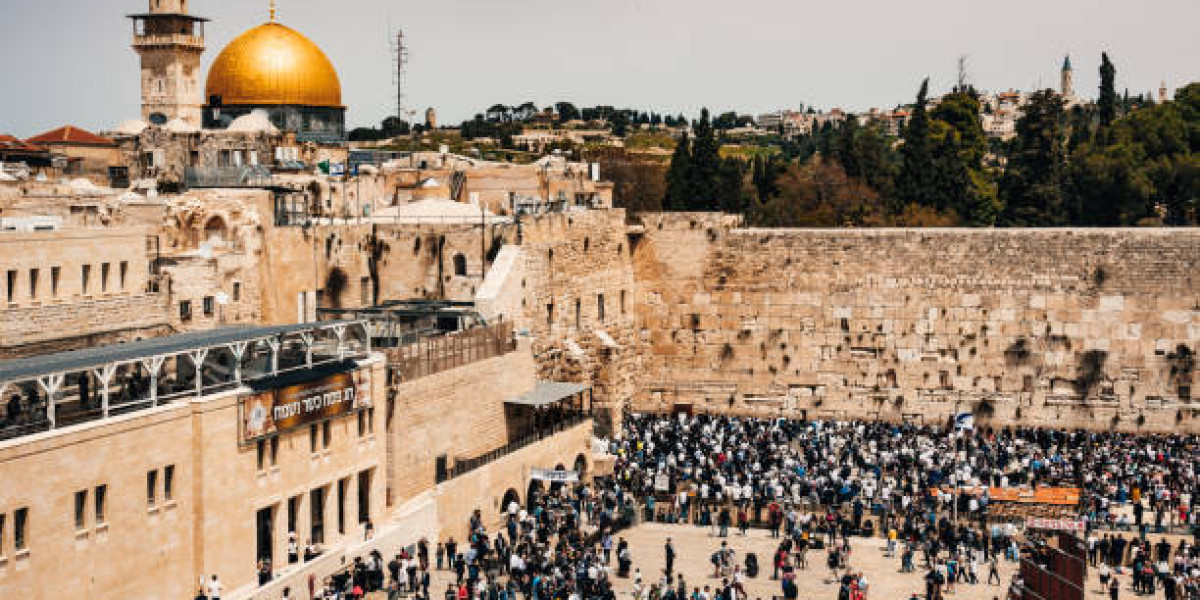

Jerusalem, a city steeped in millennia of history, serves as a profound backdrop for Jewish celebrations. Among these, Shabbat Hatan stands out as a particularly joyous occasion, blending religious observance with family gatherings, music, and communal festivity. The term "Shabbat Hatan" literally translates to the "Groom’s Sabbath" and marks a special celebration in honor of a groom prior to his wedding. In Jerusalem, this event is infused with unique cultural and religious significance, making it a treasured part of Jewish life.
The Meaning and Origin of Shabbat Hatan
Shabbat Hatan has its roots in Jewish tradition, celebrating the groom in the week leading up to his wedding. Historically, it is customary for the community to honor the groom with blessings, Torah readings, and joyous gatherings. While the bride also has her own celebratory customs, Shabbat Hatan emphasizes the groom’s connection to faith, family, and the Jewish community.
The custom is mentioned in Jewish texts as a way to sanctify the period before marriage, emphasizing the spiritual preparation for entering into a holy covenant. In Jerusalem, this celebration is often accompanied by Torah study, singing of traditional hymns, and communal meals, making it both a religious and social event.
The Spiritual Significance
At the heart of Shabbat Hatan lies the spiritual meaning of preparing for marriage. In Jewish thought, marriage is considered a sacred partnership, a reflection of the union between God and His people. The groom, therefore, is honored not only for his forthcoming marriage but also for his commitment to spiritual growth.
The Shabbat prayers during this event often include special insertions in the Amidah and Kiddush, highlighting the joy of marriage and continuity of Jewish traditions. This spiritual dimension is particularly pronounced in Jerusalem, where many synagogues uphold centuries-old customs, creating a deeply reverent and uplifting atmosphere.
Jerusalem: A Unique Backdrop
Jerusalem provides a uniquely historic and spiritual setting for Shabbat Hatan celebrations. The city’s cobblestone streets, ancient architecture, and proximity to holy sites imbue the occasion with a profound sense of tradition. Celebrations in neighborhoods like Mea Shearim, Geula, and the Old City often feature vibrant processions, singing, and communal meals that reflect centuries of Jewish heritage.
Many families also incorporate visits to sacred sites such as the Western Wall, where prayers for the groom’s happiness and successful marriage are offered. This integration of ritual and cityscape enhances the overall experience, making a Shabbat Hatan in Jerusalem more than just a celebration—it becomes a spiritual journey.
Traditional Customs
Torah Reading and Blessings
A central feature of Shabbat Hatan is the reading of the Torah portion that coincides with the week of the celebration. The groom is often called to the Torah for an Aliyah, during which he recites blessings and receives congratulations from the congregation. This ritual highlights the groom’s dedication to Jewish learning and faith.
Music and Dancing
Music plays a crucial role in Shabbat Hatan celebrations. Traditional Jewish melodies, klezmer music, and lively dancing fill synagogues and homes, creating an atmosphere of joy. In Jerusalem, it is common to see families and friends forming circles and dancing around tables, symbolizing unity and communal happiness.
Festive Meals
The Shabbat meal is central to the celebration, featuring an array of traditional dishes such as challah, gefilte fish, roasted meats, and seasonal vegetables. Families often invite neighbors and community members, reinforcing the collective spirit of joy. Special attention is given to blessing the groom, with speeches and heartfelt expressions of hope for a prosperous marriage.
Modern Adaptations
While rooted in tradition, Shabbat Hatan celebrations in Jerusalem have also embraced modern touches. Some families host large receptions in banquet halls or hotels, complete with professional musicians, photographers, and contemporary cuisine. These modern elements coexist with age-old rituals, offering a unique blend of heritage and luxury.
Technology has also played a role, with live streaming of Torah readings and celebrations allowing distant family members to participate. Social media platforms now showcase vibrant images and videos of Jerusalem’s Shabbat Hatan events, sharing the city’s cultural richness with a global audience.
Planning a Shabbat Hatan in Jerusalem
Organizing a Shabbat Hatan requires careful consideration of logistics, religious customs, and hospitality. Many families begin planning months in advance, choosing venues, arranging catering, and coordinating with local rabbis. Popular considerations include:
Venue Selection: Synagogues, community centers, or hotels with kosher facilities.
Accommodation: Jerusalem hotels that cater to families attending the celebration.
Music and Entertainment: Hiring traditional musicians or DJs familiar with Jewish music.
Catering: Kosher meals adhering to dietary laws, often including signature family recipes.
Attention to detail ensures that the celebration remains both joyous and spiritually significant.
The Role of Family and Community
Shabbat Hatan is not only about the groom; it underscores the importance of community in Jewish life. Families often involve children, grandparents, and friends in the preparations, fostering a sense of togetherness. In Jerusalem, where community ties are particularly strong, neighbors and synagogue members play a vital role in creating a warm and inclusive atmosphere.
The event also serves as an opportunity for networking and strengthening communal bonds. Guests exchange blessings, advice, and experiences, enriching both the groom’s spiritual journey and his social connections.
Incorporating Tradition with Personal Touches
Modern Shabbat Hatan celebrations often include personal touches that reflect the groom’s personality and family heritage. Some families create custom invitations, themed decorations, or unique ceremonial practices. In Jerusalem, it is increasingly common to see photo displays of the couple’s journey, live musical performances, and interactive Torah study sessions tailored to the groom’s interests.
These personal touches do not detract from tradition; rather, they enhance the meaning of the event, creating memorable experiences for both the groom and the community.
Choosing the Right Location
Jerusalem offers a variety of locations suitable for a Shabbat Hatan, ranging from historic synagogues to luxury hotels. Many families prefer venues that combine religious significance with comfort, allowing guests to experience both spiritual fulfillment and modern convenience.
For visitors attending from outside Jerusalem, selecting accommodations near the celebration venue is essential. This ensures ease of transportation, particularly during Shabbat when driving is restricted for observant Jews.
Paamonim Hotel: A Perfect Choice for Guests
For families and guests attending a Shabbat Hatan in Jerusalem, Paamonim Hotel offers an ideal blend of comfort, luxury, and accessibility. Located close to the city’s historic districts, this hotel provides spacious accommodations, kosher dining options, and personalized hospitality. Guests can enjoy the serene ambiance while being only minutes away from major synagogues and celebration venues. Paamonim Hotel’s attentive staff ensures that every need is met, allowing families to focus fully on the joy and spiritual significance of the Shabbat Hatan. Whether hosting family members from abroad or providing a convenient stay for local attendees, the hotel elevates the experience of celebrating this cherished tradition in Jerusalem.
Conclusion
Shabbat Hatan in Jerusalem is more than a pre-wedding celebration; it is a profound cultural and spiritual event that unites family, friends, and the community. From the Torah readings and festive meals to music, dancing, and heartfelt blessings, every aspect of the celebration embodies joy, tradition, and continuity. Jerusalem’s historic streets and sacred sites provide a deeply meaningful backdrop, enriching the spiritual experience for the groom and his loved ones.
With careful planning, attention to tradition, and thoughtful accommodation choices, families can create a Shabbat Hatan that is both memorable and spiritually fulfilling. The inclusion of modern touches ensures that the celebration resonates with contemporary sensibilities while preserving its timeless significance.
Whether in a historic synagogue, a community hall, or a luxury hotel like Paamonim Hotel, a Shabbat Hatan in Jerusalem remains a testament to faith, joy, and the enduring beauty of Jewish tradition.