
1. What is SEO
SEO (Search Engine Optimization) is the process of optimizing a website so that it ranks higher in search engine results pages (SERPs) like Google, Bing, and Yahoo.
The main goal of SEO is to:
Increase organic (free) traffic
Improve website visibility
Attract relevant users
Grow business, brand, or audience
? When someone searches on Google, SEO helps your website appear on the first page.
2. Why SEO is Important?
SEO is important because:
? Most users click result
? High rankings build trust & credibility
? SEO brings targeted traffic
? Beats paid ads in the long run
Without SEO, even a beautiful website may never be found.
3. How Search Engines Work
Search engines work in three main steps:
1️⃣ Crawling
Search engine bots (spiders) scan websites using links.
2️⃣ Indexing
Collected data is stored in a huge database (index).
3️⃣ Ranking
Algorithms decide which pages appear first based on:
Relevance
Quality
User experience
Authority
SEO helps at all three stages.
4. Types of SEO
SEO is mainly divided into three major types:
4.1 On-Page SEO
On-page SEO refers to optimizing elements inside your website.
Important On-Page SEO Factors:
? Title Tag
Most important ranking factor
50–60 characters
Include main keyword
? Meta Description
Improves click-through rate
150–160 characters
? Headings (H1–H6)
Only one H1 per page
Proper hierarchy
? Content Quality
Google loves content that is:
Original
Helpful
Detailed
User-focused
Content is king ?
? Keyword Optimization
Use keywords naturally
Avoid keyword stuffing
Place keywords in:
Title
Headings
First paragraph
URL
? URL Structure
❌ Bad:
✅ Good:
? Internal Linking
Links between pages of same website:
Improves crawlability
Passes link juice
Improves user experience
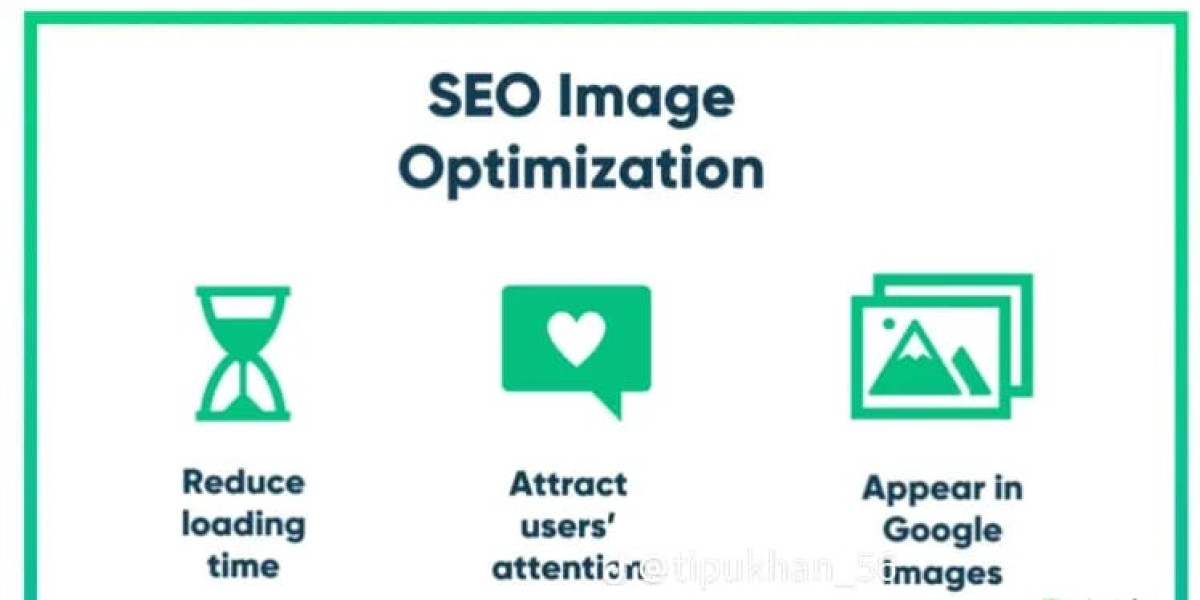
? Image Optimization
Use alt text
Compress images
Improves image SEO
4.2 Off-Page SEO
Off-page SEO refers to activities outside your website that improve authority.
? Backlinks
A backlink is a link from another website to yours.
High-quality backlinks = higher rankings
Low-quality backlinks = penalty risk
Types:
DoFollow
NoFollow
? Link Building Techniques
Guest posting
Social bookmarking
Directory submission
Profile backlinks
Outreach
? Brand Mentions
Even without links, brand mentions help SEO.
? Social Signals
Likes, shares, and engagement indirectly help SEO.
4.3 Technical SEO
Technical SEO focuses on website performance and backend structure.
? Website Speed
Fast loading sites rank better
Optimize:
Images
Code
Hosting
? Mobile-Friendliness
Google uses mobile-first indexing.
Your site must be:
Responsive
Mobile-friendly
? HTTPS (SSL)
Secure websites rank higher:
? XML Sitemap
Helps search engines find all pages.
? Robots.txt
Controls which pages bots can crawl.
? Core Web Vitals
Measures:
Loading speed
Interactivity
Visual stability
5. Keyword Research (Very Important)
Keyword research means finding what users search for.
Types of Keywords:
Short-tail (SEO)
Long-tail (best SEO guide for beginners)
Informational
Transactional
Navigational
Good keywords:
High search intent
Low competition
Relevant
6. Content SEO
SEO-friendly content should be:
Long-form (1000+ words)
Well-structured
Answer user intent
Updated regularly
Use:
Headings
Bullet points
Images
FAQs
7. Local SEO
Local SEO helps businesses rank in local searches.
Example:
Key factors:
Google My Business
NAP consistency (Name, Address, Phone)
Local keywords
Reviews
8. E-A-T (Google Quality Factor)
E-A-T means:
Expertise
Authoritativeness
Trustworthiness
Very important for:
Health
Finance
Legal websites
9. Black Hat vs White Hat SEO
❌ Black Hat SEO:
Keyword stuffing
Fake backlinks
Hidden text
Cloaking
⚠️ Can cause Google penalty
✅ White Hat SEO:
Quality content
Natural backlinks
User-first approach
✔️ Long-term success
10. SEO Tools
Popular SEO tools:
Google Search Console
Google Analytics
Ahrefs
SEMrush
Ubersuggest
Yoast SEO
11. SEO Results Time
Results take
Depends on:
Competition
Website quality
Consistency
SEO is a long-term investment.
12. Advantages of SEO
Free traffic
Long-lasting results
Better ROI
Brand authority
High conversion rate
13. Limitations of SEO
Time-consuming
Algorithm updates
No guaranteed rankings
Competitive
14. SEO vs Paid Ads
| SEO | Paid Ads |
|---|---|
| Free traffic | Paid traffic |
| Long-term | Short-term |
| High trust | Lower trust |
| Slow results | Instant results |
15. Future of SEO
SEO is evolving with:
AI search
Voice search
User intent focus
Helpful content updates
User experience is the future of SEO.
16. Conclusion
SEO is the backbone of online success. It helps websites gain visibility, traffic, and credibility by optimizing content, structure, and authority. A strong SEO strategy includes on-page SEO, off-page , combined with high-quality content and user satisfaction.