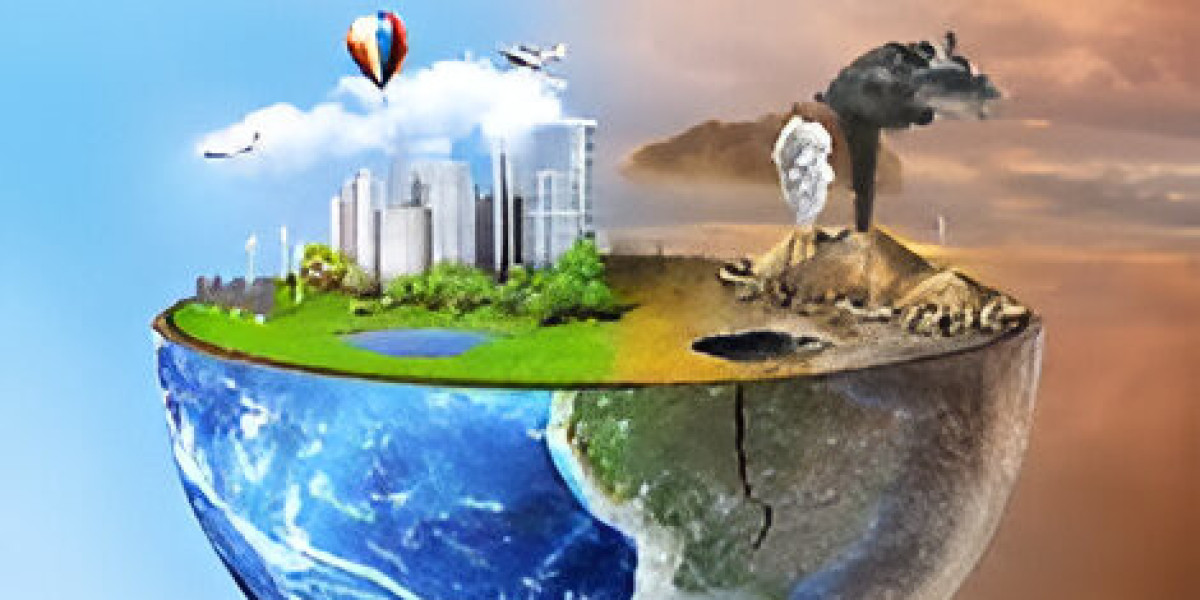

How does environmental change affect on daily life
Introduction
Environmental change is one of the most important issues facing the world today. It refers to long-term changes in weather patterns, temperature, natural resources, and ecosystems. These changes are not limited to distant polar regions or forests; they directly affect our daily routines, health, economy, and surroundings. From the food we eat to the water we drink and the air we breathe, environmental change plays a significant role in shaping our everyday lives. Understanding its local impact helps individuals and communities prepare, adapt, and take responsible actions.
Climate Change and Daily Weather Patterns
One of the most visible effects of environmental change is the alteration in daily weather patterns. Many regions now experience extreme heat, unpredictable rainfall, floods, or droughts. Summers are becoming longer and hotter, while winters are shorter or unusually cold in some areas. These changes affect daily activities such as commuting, outdoor work, and schooling. Farmers struggle to plan planting and harvesting seasons, while urban residents face heatwaves that increase energy consumption and discomfort.
Impact on Human Health
Environmental change has a direct and serious impact on human health. Rising temperatures contribute to heat-related illnesses, dehydration, and increased spread of infectious diseases. Air pollution caused by industrial emissions and vehicle smoke leads to respiratory problems like asthma and bronchitis. Poor air quality also affects children and elderly people the most. In many areas, contaminated water sources increase the risk of waterborne diseases, making daily life more challenging and unsafe.
Effects on Food and Agriculture
Agriculture is highly sensitive to environmental changes. Irregular rainfall, soil degradation, and rising temperatures reduce crop yields and affect food quality. Farmers face losses due to floods, droughts, and pest outbreaks. As a result, food prices increase, affecting household budgets and nutrition. Local communities that depend on farming for income experience financial instability, which impacts education, healthcare, and overall quality of life.
Water Scarcity and Daily Usage
Water is essential for daily activities such as drinking, cooking, cleaning, and sanitation. Environmental change has led to water scarcity in many regions due to melting glaciers, reduced rainfall, and overuse of groundwater. In some areas, people must walk long distances to collect clean water or rely on unsafe sources. Limited water supply affects hygiene, increases disease risk, and creates stress within households and communities.
Urban Life and Infrastructure Challenges
Cities are particularly vulnerable to environmental change. Rapid urbanization combined with climate effects results in poor drainage systems, flooding, and heat islands. Roads, bridges, and buildings are damaged by extreme weather events, disrupting transportation and daily routines. Power outages become more frequent during storms or heatwaves, affecting work, communication, and essential services. Urban poor communities suffer the most due to limited resources and weak infrastructure.
Economic Impact on Local Communities
Environmental change also influences local economies. Natural disasters such as floods, storms, and droughts damage businesses, homes, and public facilities. People lose jobs when industries like agriculture, fishing, and tourism are affected. Repairing damage requires significant financial resources, increasing poverty levels in vulnerable communities. Daily life becomes unstable as families struggle to meet basic needs.
environmental change's effect on daily life
Introduction
Environmental change is one of the most important issues facing the world today. It refers to long-term changes in weather patterns, temperature, natural resources, and ecosystems. These changes are not limited to distant polar regions or forests; they directly affect our daily routines, health, economy, and surroundings. From the food we eat to the water we drink and the air we breathe, environmental change plays a significant role in shaping our everyday lives. Understanding its local impact helps individuals and communities prepare, adapt, and take responsible actions.
Climate Change and Daily Weather Patterns
One of the most visible effects of environmental change is the alteration in daily weather patterns. Many regions now experience extreme heat, unpredictable rainfall, floods, or droughts. Summers are becoming longer and hotter, while winters are shorter or unusually cold in some areas. These changes affect daily activities such as commuting, outdoor work, and schooling. Farmers struggle to plan planting and harvesting seasons, while urban residents face heatwaves that increase energy consumption and discomfort.
Impact on Human Health
Environmental change has a direct and serious impact on human health. Rising temperatures contribute to heat-related illnesses, dehydration, and increased spread of infectious diseases. Air pollution caused by industrial emissions and vehicle smoke leads to respiratory problems like asthma and bronchitis. Poor air quality also affects children and elderly people the most. In many areas, contaminated water sources increase the risk of waterborne diseases, making daily life more challenging and unsafe.
Effects on Food and Agriculture
Agriculture is highly sensitive to environmental changes. Irregular rainfall, soil degradation, and rising temperatures reduce crop yields and affect food quality. Farmers face losses due to floods, droughts, and pest outbreaks. As a result, food prices increase, affecting household budgets and nutrition. Local communities that depend on farming for income experience financial instability, which impacts education, healthcare, and overall quality of life.
Water Scarcity and Daily Usage
Water is essential for daily activities such as drinking, cooking, cleaning, and sanitation. Environmental change has led to water scarcity in many regions due to melting glaciers, reduced rainfall, and overuse of groundwater. In some areas, people must walk long distances to collect clean water or rely on unsafe sources. Limited water supply affects hygiene, increases disease risk, and creates stress within households and communities.
Urban Life and Infrastructure Challenges
Cities are particularly vulnerable to environmental change. Rapid urbanization combined with climate effects results in poor drainage systems, flooding, and heat islands. Roads, bridges, and buildings are damaged by extreme weather events, disrupting transportation and daily routines. Power outages become more frequent during storms or heatwaves, affecting work, communication, and essential services. Urban poor communities suffer the most due to limited resources and weak infrastructure.
Economic Impact on Local Communities
Environmental change also influences local economies. Natural disasters such as floods, storms, and droughts damage businesses, homes, and public facilities. People lose jobs when industries like agriculture, fishing, and tourism are affected. Repairing damage requires significant financial resources, increasing poverty levels in vulnerable communities. Daily life becomes unstable as families struggle to meet basic needs.
Effects on Natural Ecosystems
Local ecosystems provide essential services such as clean air, water, and fertile soil. Environmental change disrupts these ecosystems by causing deforestation, loss of biodiversity, and habitat destruction. When ecosystems are damaged, humans lose natural protection against floods, storms, and pollution. This imbalance affects daily life by increasing environmental risks and reducing access to natural resources.
Social and Psychological Impact
Beyond physical effects, environmental change also impacts mental and social well-being. Constant exposure to extreme weather events and environmental disasters creates stress, anxiety, and uncertainty. Communities may be displaced due to floods or droughts, leading to loss of homes and social connections. Daily life becomes emotionally challenging as people worry about their future, safety, and livelihoods.
Role of Individuals and Communities
While environmental change is a global issue, local actions can make a difference. Individuals can reduce waste, save water, use energy efficiently, and support eco-friendly practices. Communities can promote tree planting, recycling programs, and awareness campaigns. Small daily habits, when adopted collectively, help reduce environmental damage and improve local living conditions.
Conclusion
environment today, we can ensure a healthier, safer, and more sustainable daily life for future generations. Environmental change is not a distant or abstract problem; it is a reality that affects daily life at the local level. From health and food security to water availability and economic stability, its impact is widespread and deeply connected to human well-being. Understanding these effects encourages responsible behavior and collective action. By protecting the environment.