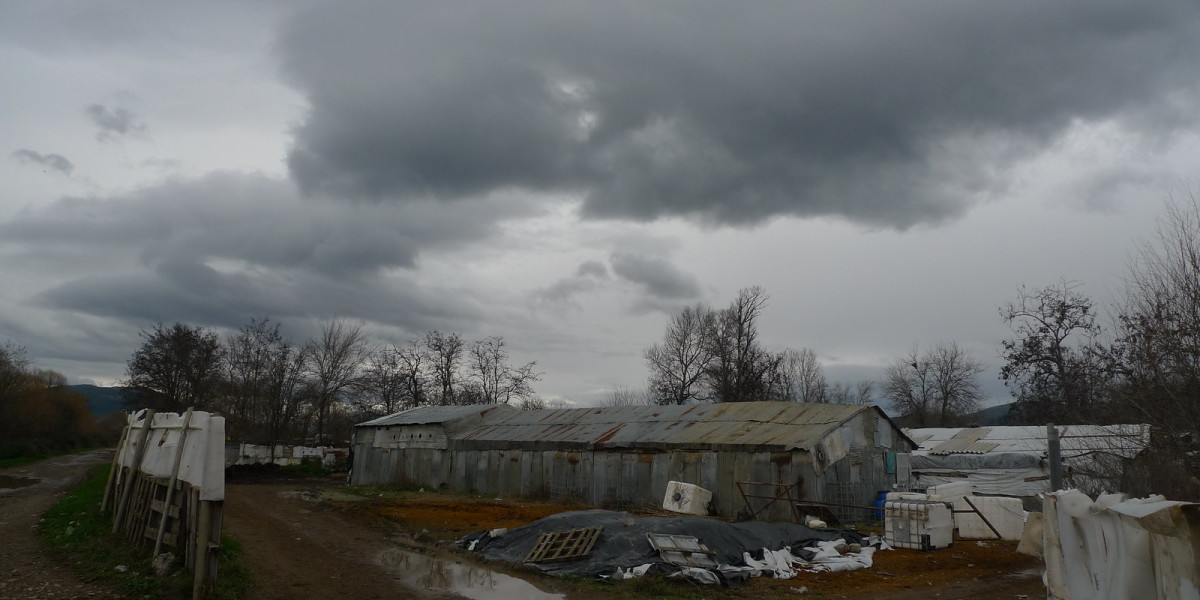

Kopaida, also known as the Kopaida Plain or Lake Kopaida region, is one of the most historically and geographically fascinating areas in central Greece. Located in Boeotia, near major ancient cities such as Thebes and Orchomenos, Kopaida is a place where mythology, ancient engineering, agriculture, and modern development intersect. Once the site of a vast natural lake, Kopaida has transformed over centuries into one of Greece’s most fertile plains, playing a vital role in the country’s agricultural and cultural history.
Today, Kopaida represents far more than a geographic location. It is a symbol of human ingenuity, ancient civilization, and sustainable land use. For travelers, historians, researchers, and investors, Kopaida offers a unique perspective on Greece beyond the islands and coastlines, revealing the depth and diversity of the mainland’s heritage.
Geographic Location and Natural Setting
Kopaida is situated in the heart of Boeotia, surrounded by mountain ranges including Helicon, Parnassus, and Chlomo. This natural basin once collected water from surrounding rivers and springs, forming Lake Kopaida, one of the largest lakes in ancient Greece. The region’s enclosed geography made it both a blessing and a challenge for early inhabitants.
The fertile soil created by centuries of sediment has made Kopaida one of the most productive agricultural zones in Greece. The landscape today is characterized by expansive fields, canals, rural settlements, and distant mountain views, creating a peaceful yet powerful connection to nature.
Lake Kopaida in Ancient Times
In antiquity, Lake Kopaida dominated the region. Ancient writers such as Homer and Strabo referenced the lake, highlighting its importance and challenges. Seasonal flooding often disrupted settlements, yet the lake also provided resources such as fish, reeds, and fertile land around its shores.
The presence of the lake deeply influenced local mythology and religious practices. Water deities, fertility cults, and agricultural rituals were central to life in the Kopaida region, reflecting humanity’s dependence on and respect for natural forces.
Mycenaean Engineering and Early Drainage Systems
One of the most remarkable aspects of Kopaida’s history is the advanced engineering achieved by the Mycenaean civilization. As early as the second millennium BCE, the Mycenaeans constructed an extensive drainage system of canals, embankments, and underground passages to control the waters of Lake Kopaida.
These works are considered among the earliest large-scale hydraulic engineering projects in Europe. They allowed the Mycenaeans to reclaim land for agriculture and protect settlements from flooding. Archaeological evidence suggests that cities like Orchomenos flourished largely due to control over the Kopaida waters.
Orchomenos and the Wealth of Kopaida
Ancient Orchomenos, one of Boeotia’s most powerful cities, owed much of its prosperity to Kopaida. Known for its legendary wealth, Orchomenos became a major Mycenaean center with monumental architecture and royal tombs.
The fertile lands around Kopaida supported large populations and extensive trade networks. Agricultural surplus allowed the region to develop culturally and economically, leaving a lasting imprint on Greek history.
Decline, Flooding, and Medieval Period
Following the collapse of Mycenaean civilization, the sophisticated drainage systems fell into disrepair. Over time, Lake Kopaida re-emerged, flooding the plain once again. During classical, Roman, and Byzantine periods, various attempts were made to manage the lake, but none matched the scale or success of the Mycenaean efforts.
Throughout the medieval era, the lake remained a dominant feature, shaping settlement patterns and limiting agricultural development. Despite these challenges, the region maintained strategic importance due to its location between northern and southern Greece.
Modern Drainage and Transformation
The modern transformation of Kopaida began in the 19th and early 20th centuries, when systematic drainage projects finally succeeded in eliminating the lake permanently. Using modern engineering techniques, canals and pumping systems redirected water away from the basin, converting it into arable land.
This transformation reshaped the economic future of the region. Kopaida became one of Greece’s most productive agricultural plains, supporting crops such as wheat, cotton, corn, and vegetables. The success of this project stands as a testament to the enduring human desire to coexist with and shape the natural environment.
Agriculture and Rural Life in Kopaida
Agriculture remains the backbone of life in Kopaida. Family-owned farms, cooperatives, and modern agricultural enterprises coexist across the plain. The region’s fertile soil and reliable water management systems ensure consistent productivity.
Rural communities around Kopaida maintain strong traditions, emphasizing family, cooperation, and connection to the land. Seasonal cycles continue to shape daily life, preserving a way of living that balances tradition with innovation.
Cultural Heritage and Archaeological Sites
Kopaida is surrounded by significant archaeological sites that highlight its long history. The Treasury of Minyas in Orchomenos, often compared to the Treasury of Atreus at Mycenae, is one of the most impressive monuments of the Mycenaean era.
Nearby ancient cities, fortifications, and burial sites offer valuable insights into early Greek civilization. These sites make the Kopaida region an important destination for cultural tourism and academic research.
Kopaida in Greek Mythology
Mythology is deeply woven into the identity of Kopaida. Legends associated with heroes, kings, and gods reflect the region’s ancient struggles with water and land. Myths often portrayed the draining of the lake as a heroic or divine act, symbolizing humanity’s triumph over chaos.
These stories contributed to the cultural memory of the region and influenced how later generations understood their relationship with the landscape.
Modern Tourism Potential
Although not as widely known as Greece’s island destinations, Kopaida has growing tourism potential. Visitors interested in history, archaeology, rural tourism, and authentic Greek experiences find the region increasingly appealing.
Proximity to Athens and major archaeological landmarks makes Kopaida accessible for day trips or extended stays. Agro-tourism initiatives, cultural routes, and heritage projects are gradually enhancing the region’s visibility.
Infrastructure and Accessibility
Kopaida benefits from its strategic location in central Greece. It is well-connected by road networks linking Athens, Thebes, Livadia, and Lamia. Access to ports and airports is relatively convenient, supporting both tourism and commerce.
Modern infrastructure, combined with a peaceful rural environment, makes Kopaida attractive for individuals seeking quality of life outside crowded urban centers.
Real Estate and Development Opportunities
The transformation of Kopaida into fertile agricultural land has also influenced the local real estate market. Properties in the region range from traditional village homes and farmhouses to larger agricultural estates.
Compared to coastal and island locations, real estate prices in Kopaida remain relatively accessible. This affordability, combined with long-term development potential, is drawing interest from domestic and international buyers.
Greek Golden Visa Program
Greece offers a highly attractive residency-by-investment option through the Greek Golden Visa program. Non-European Union citizens can obtain a renewable residence permit by investing in qualifying Greek real estate. The program allows visa-free travel within the Schengen Area and includes family members.
Regions like Kopaida present unique opportunities for Golden Visa investors seeking value, space, and long-term growth potential. Investing in residential or agricultural property in the Kopaida area combines the benefits of Greek residency with investment in a region rich in history and future promise.
Sustainable Development and Environmental Balance
Sustainability is a key consideration in the future of Kopaida. Managing water resources, protecting soil quality, and preserving archaeological heritage are essential to long-term prosperity.
Efforts to promote environmentally responsible farming, renewable energy, and cultural preservation aim to ensure that Kopaida continues to thrive without compromising its natural and historical identity.
Quality of Life in the Kopaida Region
Life in Kopaida offers tranquility, space, and a strong sense of community. Residents enjoy clean air, open landscapes, and a slower pace of life while remaining connected to major urban centers.
This balance makes Kopaida appealing to families, retirees, remote workers, and individuals seeking a meaningful lifestyle rooted in nature and history.
Why Kopaida Matters Today
Kopaida is more than a reclaimed lake or an agricultural plain; it is a living example of humanity’s long relationship with the environment. From Mycenaean engineers to modern farmers, generations have shaped and reshaped this land.
Its story reflects resilience, innovation, and respect for natural forces—values that remain relevant in today’s world.
Conclusion
Kopaida stands as one of Greece’s most remarkable regions, where ancient engineering, fertile landscapes, and cultural heritage converge. Its transformation from a vast lake into a productive plain illustrates both the challenges and achievements of human civilization.
With its archaeological significance, agricultural strength, strategic location, and opportunities through programs such as the Greek Golden Visa, Kopaida offers a compelling blend of past, present, and future. Whether explored as a historical site, a place to live, or an investment destination, Kopaida provides a deep and authentic connection to the enduring story of Greece.