
A Tool That Quietly Shapes the Backbone of Modern Connections
Hidden behind neatly organized cables, secure terminals, and flawless electrical joints is a simple but indispensable instrument: the crimping tool. While it rarely gets the spotlight, this tool plays a crucial role in everything from home wiring to industrial assembly lines. One precise squeeze, and the crimping tool forges a connection built to last.
Understanding the Crimping Tool: More Than Just a Hand Tool
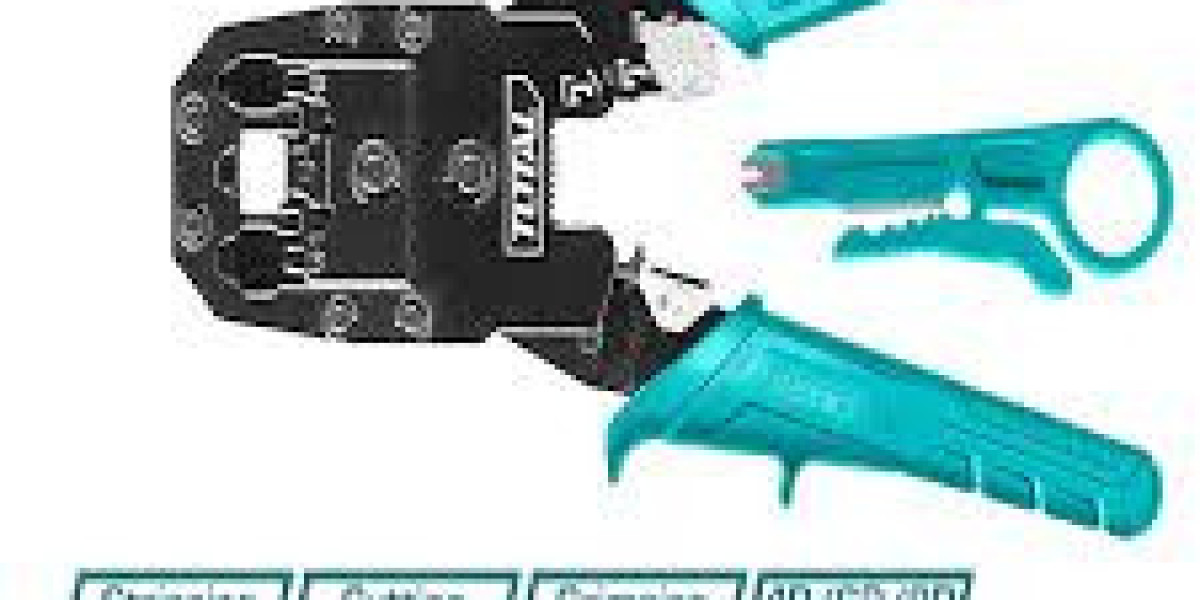
A crimping tool is designed to compress two components—often a conductor and a connector—into a strong, unified bond.
But the magic lies in how it does this: it reshapes metal without heat, without solder, and without guesswork. The result is a secure mechanical and electrical joint that resists vibration, pressure, and time.
Different Crimping Tools for Different Jobs
1. Ratchet Crimping Tools
These tools give consistent pressure with every squeeze, ensuring each crimp meets the same professional standard. Perfect for precision jobs.
2. Hydraulic Crimpers
Built for heavy-duty work—large cables, thick terminals, and industrial environments—where high force is needed.
3. Adjustable Hand Crimpers
Ideal for technicians who work with multiple connector sizes. Versatile, lightweight, and perfect for fieldwork.
4. Automatic or Electric Crimping Machines
Used in production lines where thousands of crimps must be identical, fast, and flawless.
Why Crimping Tools Matter in Modern Installations
● Reliability Without Heat
Soldering can weaken or corrode over time. A strong crimp, however, stays stable without thermal stress.
● Faster, Cleaner Connections
A crimp is quick, tidy, and produces no fumes—critical in tight or sensitive spaces.
● Damage Prevention
Quality crimping tools apply uniform pressure, preventing cable distortion or connector cracking.
● Professional Finish
A solid crimp doesn’t just work well—it looks neat, organized, and intentional.
Inside the Mechanics: What Makes a Good Crimp?
1. Proper Compression
The metal must compress tightly enough to bind but not so much that it weakens the structure.
2. Correct Die Sizes
Dies shape the terminal during compression. The right size makes the difference between a perfect crimp and a failed connection.
3. Alignment and Grip
The tool’s jaws must meet evenly. Even slight misalignment can cause a weak bond.
4. Material Compatibility
Copper, aluminum, insulated connectors, non-insulated terminals—each requires specific die profiles and force levels.
Common Uses That Highlight Its Importance
Telecommunications
Network cables, fiber terminations, and structured cabling rely heavily on precise crimps.
Automotive Wiring
Vehicles experience constant vibrations—only a tool crimping well-crimped joints can withstand them.
Electrical Installations
From home renovation to commercial wiring, secure terminals are critical for safety.
DIY Crafting and Hobby Electronics
Model makers, drone builders, and electronic hobbyists use mini crimpers for micro-connectors.
How to Choose the Right Crimping Tool
● Match the Tool to the Connector Type
Different terminals require different die shapes—always check compatibility.
● Consider Frequency of Use
Technicians benefit from ratcheting or hydraulic tools; occasional users may prefer simpler hand crimpers.
● Prioritize Ergonomics
Comfortable grips reduce fatigue during large projects.
● Look for Built-In Ratchets or Release Features
These ensure safety and consistent pressure.
The Future of Crimping Tools
As wiring systems evolve—smaller connectors, higher power demands, smart infrastructure—crimping tools are following suit with:
interchangeable dies
precision torque controls
digital pressure sensors
lightweight, impact-resistant materials
Even as technology advances, the crimping tool remains an essential bridge between raw materials and functional design.
Conclusion: A Simple Tool With Significant Impact
The crimping tool may look modest, but its role is foundational. It creates secure, professional connections that power homes, vehicles, industries, and innovations. Whether used by an electrician, a technician, or a hobbyist, it ensures that every connection is dependable—and that every project stands strong.
Check Out More Latest Articles: Click Here