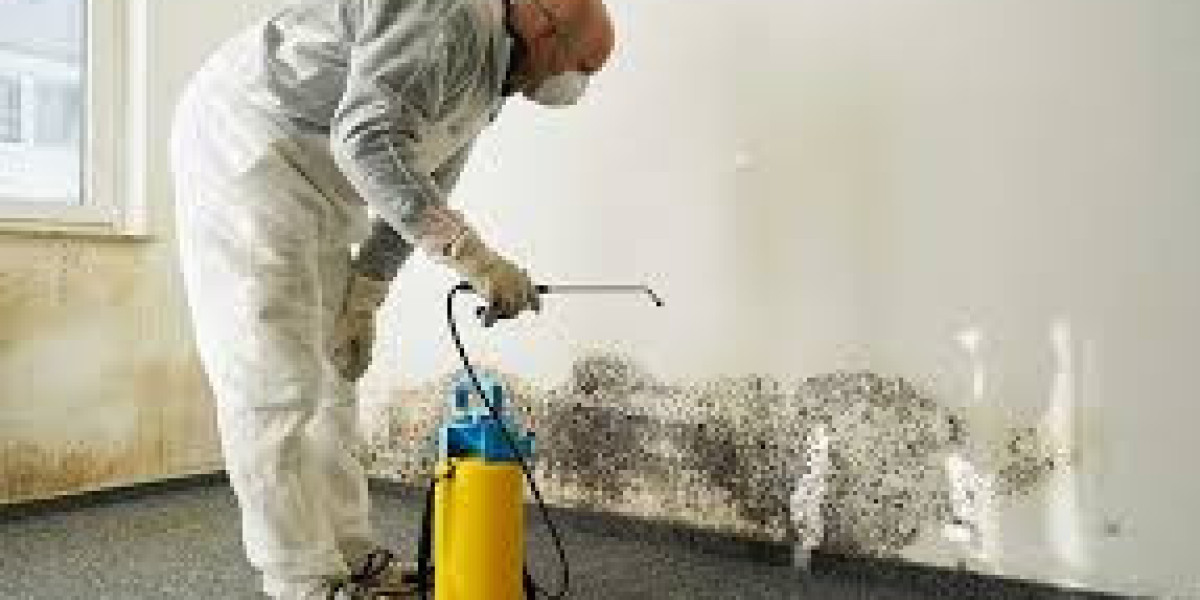

Mold is more than an unsightly nuisance—it is a persistent environmental hazard that can damage property, compromise indoor air quality, and negatively affect human health. Effective mold removal and remediation requires more than surface cleaning; it demands a systematic approach that addresses moisture sources, containment, safe removal, and long-term prevention.
This article provides a complete, professional-grade guide to mold removal and remediation, explaining what mold is, why it grows, how it should be removed, and how to prevent it from returning.
What Is Mold and Why It Grows Indoors
Mold is a type of fungus that reproduces through microscopic spores present in both indoor and outdoor air. Mold becomes a problem when spores land on damp surfaces and begin to grow.
Common Conditions That Promote Mold Growth
Excess moisture or humidity (above 60%)
Water leaks (plumbing, roofs, windows)
Flooding or water intrusion
Poor ventilation
Condensation on cold surfaces
Wet building materials left untreated for 24–48 hours
Mold can grow on drywall, wood, insulation, carpet, ceiling tiles, fabrics, and even dust.
Health Risks Associated With Mold Exposure
Mold exposure affects people differently, depending on sensitivity, duration of exposure, and mold type.
Potential Health Effects
Allergic reactions (sneezing, runny nose, itchy eyes)
Asthma attacks and respiratory distress
Chronic coughing or wheezing
Skin irritation
Headaches and fatigue
Infants, elderly individuals, and those with compromised immune systems are particularly vulnerable. While not all molds are “toxic,” any uncontrolled mold growth indoors is considered unhealthy.
Mold Removal vs. Mold Remediation: Understanding the Difference
Although often used interchangeably, these terms are not the same.
Mold Removal
Refers to physically cleaning or removing visible mold from surfaces.
Mold Remediation
A comprehensive process that:
Identifies and corrects the moisture source
Contains mold contamination
Safely removes affected materials
Cleans and treats remaining surfaces
Restores indoor conditions to prevent regrowth
True remediation does not eliminate all mold spores—that is impossible—but returns indoor mold levels to normal, safe conditions.
Signs You May Have a Mold Problem
Mold is not always visible. Warning signs include:
Musty or earthy odors
Persistent allergy symptoms indoors
Discoloration on walls, ceilings, or floors
Peeling paint or warped materials
Recent water damage or leaks
High indoor humidity
If mold covers more than a small area or keeps returning, professional remediation is recommended.
The Mold Remediation Process (Step by Step)
1. Inspection and Assessment
A trained professional evaluates:
The extent of mold growth
Moisture sources
Affected materials
Air quality (if needed)
This step determines whether containment and specialized equipment are required.
2. Containment of the Affected Area
Containment prevents mold spores from spreading to clean areas.
Methods include:
Plastic sheeting barriers
Negative air pressure systems
Sealing HVAC vents
Controlled access zones
Proper containment is critical for larger infestations.
3. Air Filtration
High-Efficiency Particulate Air (HEPA) filters are used to:
Capture airborne mold spores
Improve indoor air quality
Prevent cross-contamination
Air scrubbers often run continuously during remediation.
4. Safe Mold Removal
The removal method depends on the material involved.
Non-porous surfaces (metal, glass, tile): cleaned and disinfected
Semi-porous materials (wood): cleaned, sanded, and treated
Porous materials (drywall, carpet, insulation): usually removed and discarded
All contaminated materials are sealed and disposed of according to safety standards.
5. Cleaning and Antimicrobial Treatment
Remaining surfaces are:
HEPA vacuumed
Damp-wiped with approved cleaners
Treated with antimicrobial solutions to inhibit regrowth
Bleach is generally not recommended for porous surfaces, as it does not penetrate deeply enough and can worsen moisture issues.
6. Drying and Dehumidification
Industrial dehumidifiers and air movers are used to:
Reduce moisture levels
Dry structural components
Prevent mold from returning
Moisture levels are monitored until safe standards are met.
7. Restoration and Repairs
After remediation, damaged areas may need:
Drywall replacement
Painting
Flooring repair
Insulation replacement
Restoration returns the space to its original condition—or better.
Can You Remove Mold Yourself?
Small, surface-level mold (generally less than 10 square feet) may be manageable with proper precautions:
Wear gloves, eye protection, and a respirator
Fix the moisture problem first
Use appropriate cleaners
Avoid dry brushing or sanding
However, DIY mold removal is not recommended when:
Mold is widespread
Mold is inside walls or HVAC systems
There is ongoing water damage
Occupants have health sensitivities
Improper removal can spread spores and worsen the problem.
Preventing Mold From Returning
Prevention is the most important step in mold control.
Best Mold Prevention Practices
Fix leaks immediately
Maintain indoor humidity below 50%
Use exhaust fans in bathrooms and kitchens
Ensure proper ventilation
Dry wet materials within 24 hours
Insulate cold surfaces to reduce condensation
Regularly inspect basements, crawlspaces, and attics
Mold prevention is ultimately moisture control.
Choosing a Professional Mold Remediation Company
When hiring a contractor, look for:
Proper certifications and training
Clear remediation plans
Use of containment and HEPA filtration
Written documentation
Experience with insurance claims (if applicable)
Avoid companies that promise to “kill all mold” or rely solely on fogging or sprays without addressing moisture.
Final Thoughts
Mold removal and remediation is not just about cleaning visible growth—it is about restoring a safe, healthy indoor environment. Addressing moisture sources, following proper containment procedures, and using professional techniques are essential for long-term success.
When handled correctly, mold remediation protects both property value and occupant health. When handled improperly, it can lead to recurring problems, costly repairs, and ongoing health risks.
If in doubt, consult a certified mold remediation professional. Prevention, accuracy, and thoroughness are always cheaper than repeated cleanup.