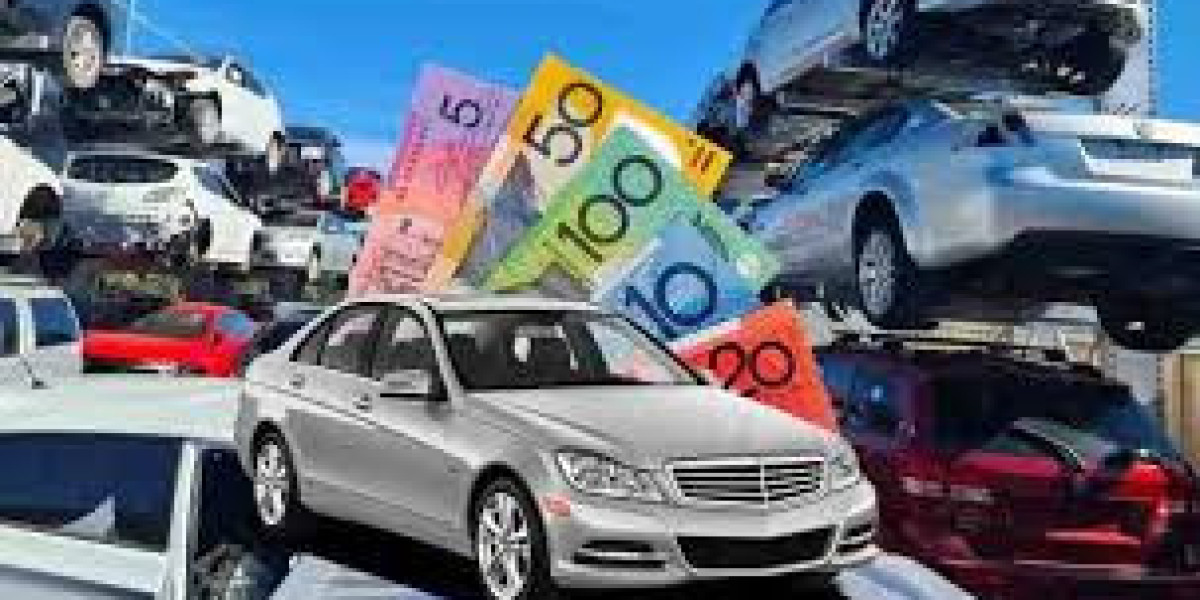

Many car owners in Australia reach a point where keeping a vehicle no longer makes sense. The car may sit unused, fail a roadworthy check, or cost too much to keep on the road. At that stage, the main question becomes whether the car should be sold for resale or sent for scrap. This decision depends on clear facts, careful checks, and a realistic view of the local market. This guide explains how to judge both paths without confusion and without guesswork.
Understanding the Two Options
Resale means selling the car to another driver, a dealer, or a private buyer. The buyer plans to drive the car or repair it for use. Scrap means selling the car for parts and metal. The car is dismantled, and usable materials such as steel, aluminium, copper, and certain components are recovered. Each option suits a different type of vehicle.
Start With the Car Age and Model
Car age plays a major role. In Australia, the average car on the road is about ten years old. Cars under this age often hold resale potential, especially if the model has steady demand. Popular small cars, utes, and family SUVs usually attract buyers when parts are still common and servicing knowledge is wide.
Older cars can still suit resale if they belong to models known for long life and solid build history. Yet, once a car moves past fifteen years, resale interest often drops unless the car is rare, a classic, or kept in very good condition.
Visit for more info: https://pscarremoval.com.au/
Check the Overall Condition
Condition affects worth more than age alone. Buyers look closely at the following areas:
Engine performance and noise
Gearbox operation
Brake response
Suspension wear
Rust on body or frame
Interior wear such as torn seats or cracked dashboards
A car with major engine or gearbox faults often costs more to repair than the price a buyer is willing to pay. In such cases, scrap may return a better outcome.
Review Repair and Maintenance Costs
One practical step is to list current faults and upcoming repairs. Compare repair quotes with likely resale figures in your area. In Australia, labour rates vary by state, though major repairs often run into thousands of dollars. If repair costs approach or exceed what buyers pay for the same model in working order, resale becomes less realistic.
Minor issues such as worn tyres, faded paint, or small electrical faults may still allow resale, though the price may be lower. Structural damage, flood damage, or a cracked engine block often removes resale interest almost entirely.
Consider Registration and Roadworthy Status
A registered car with a valid roadworthy certificate usually attracts stronger buyer interest. In most Australian states, a roadworthy check is required before transfer. If the car fails this check, the seller must repair it or sell it unregistered.
Selling unregistered cars is possible, yet buyers often expect a lower price due to the risk and cost involved. Scrap buyers do not require registration or roadworthy status, which removes this concern.
Market Demand in Your Area
Local demand matters. Rural and regional areas often see higher interest in older utes and four-wheel drives due to work use. Urban areas often favour small fuel-efficient cars. A car with low interest in your region may sit unsold for months, while scrap offers a fixed return based on weight and material.
Compare Scrap Worth Based on Weight and Materials
Scrap worth depends mainly on vehicle weight and metal content. Most cars contain steel, aluminium, copper wiring, and recyclable fluids. Heavier vehicles such as large sedans, vans, and four-wheel drives often bring higher scrap returns than small hatchbacks.
Prices for scrap metal change with global markets. Steel and aluminium rates rise and fall through the year. While scrap prices fluctuate, they offer certainty when resale interest is low.
Check for Part Demand
Some cars hold worth through parts even when they no longer suit the road. Engines, gearboxes, catalytic converters, wheels, and panels may be reused. Models with high production numbers often have steady parts demand. If major components still function, scrap yards may pay more than basic metal weight alone.
Factor in Time and Effort
Resale often requires cleaning, advertising, meeting buyers, and negotiating. This process may take weeks or longer. Scrap involves far less time input, especially when the car no longer runs. Time commitment should be weighed alongside money received.
Environmental and Legal Considerations
Scrapping a car through proper channels supports recycling and safe disposal of fluids such as oil, coolant, and brake fluid. Australian environmental rules require these materials to be handled correctly. Unauthorised disposal may lead to fines.
When Scrap Makes More Sense
Scrap often suits cars with:
Severe mechanical failure
Heavy rust or structural damage
Failed roadworthy with costly fixes
Long periods of disuse
Low market demand
In these cases, resale attempts may bring frustration rather than results.
When Resale Still Works
Resale suits cars that:
Start and drive well
Hold current registration
Have service records
Show only minor wear
Match local buyer needs
These cars often earn more through resale than through scrap.
A Practical Local Example
In regional New South Wales, many older vehicles remain parked on properties long after they stop running. Owners often delay action due to uncertainty. In such cases, services like Junk Car Removal Pinelands once provided by the company PS Car Removal fit naturally into the decision process. When a vehicle no longer suits resale due to condition or repair costs, removal for scrap clears space, handles transport, and supports recycling goals. This option aligns with the scrap pathway described above and reflects how local solutions match real vehicle conditions.
Final Decision Checklist
Before choosing, review this checklist:
Current running condition
Repair cost estimates
Registration status
Local buyer interest
Scrap metal weight
Time available for selling
A clear look at these points usually reveals which path returns more worth for your situation.
Closing Thoughts
Knowing whether a car suits scrap or resale requires facts rather than hope. By assessing condition, costs, demand, and material recovery, Australian car owners can choose with confidence. Each car reaches a stage where one option clearly outweighs the other. Making that choice early avoids wasted time and allows the car to serve its final purpose in the right way.