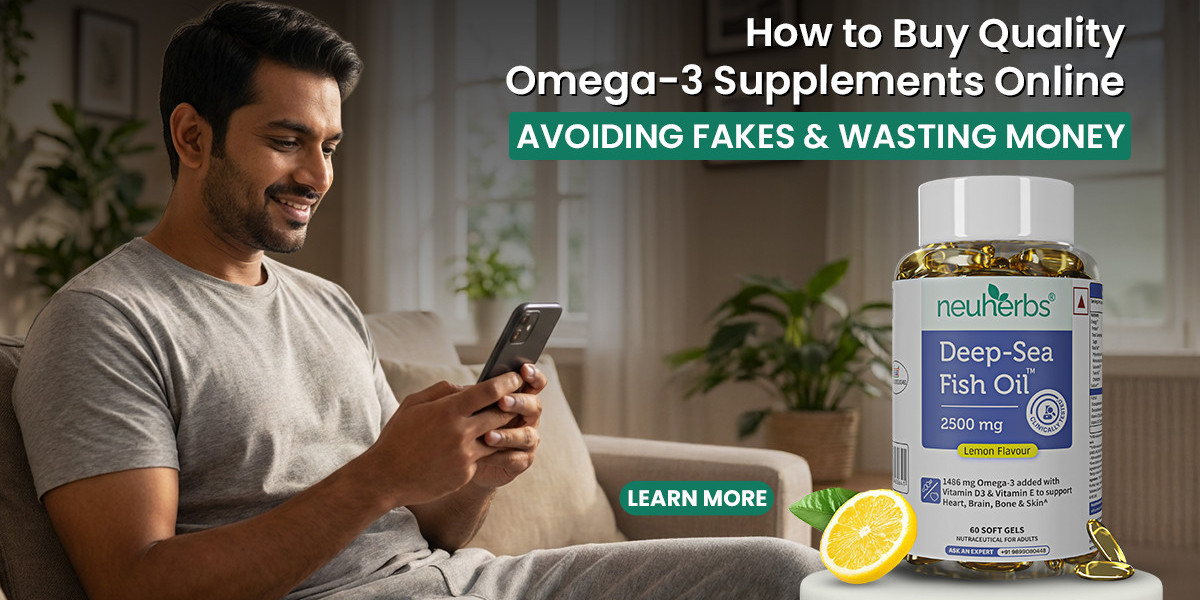

Shopping for supplements online has become a routine for many people in India, thanks to quick delivery services offered by platforms like Amazon, Blinkit, and Instamart. Additionally, the government’s Make in India initiative has introduced numerous new supplement brands to the market. However, many of the products listed online do not meet safety standards. When you buy omega-3 supplements online, you are investing in your heart and brain health. And that’s why it is extremely crucial to choose manufacturers that genuinely support the protection of these important organs.
But in a market filled with options, the most persisting question is: how do you differentiate between genuine products and counterfeits? This guide walks you through smart shopping tactics that safeguard your wellbeing and wallet.
Why Buying Omega-3 Online Makes Sense in India
Online platforms have transformed the way Indians shop for health products. The digital marketplace offers advantages that physical stores simply cannot match.
When shopping online, you can access multiple brands in one place and easily verify international certifications.
Many products that were earlier limited to select cities are now available nationwide, even in 2 and 3-tiered cities. This makes it easier to compare strengths, formats, and ingredients.
Comparing ingredient lists and prices takes just minutes instead of hours. Additionally, home delivery saves time, seasonal, festive sales, and subscriptions get you heavy discounts, and favourable return/replacement policies provide peace of mind.
Platforms like Amazon and TATA 1mg offer transparent seller verification systems, displaying certifications, benefits, side effects, and usage upfront. You can also read hundreds of reviews before making a decision.
However, this convenience comes with a responsibility. The same open marketplace that offers variety also allows counterfeit sellers to operate. Therefore, conducting thorough product research is your first line of defence.
Why Quality is Non-Negotiable in Omega-3 Supplements?
Not all fish oils are created following protocols, and the quality of your supplement greatly affects its benefits.
Contamination risks are high: Low-quality fish oils often contain heavy metals such as mercury and lead. These toxins can accumulate in your body over time, potentially damaging your organs instead of supporting them.
Oxidation destroys benefits: Rancid fish oils lose their anti-inflammatory properties and may even increase oxidation in your body. If you notice a fishy odour when you open the bottle, it may be rancid.
Fake products waste money: Counterfeit supplements often contain little to no actual EPA and DHA. Instead, you may be paying for capsules filled with inexpensive vegetable oils, which means your health goals could remain unmet.
Incorrect dosages mislead users: Some brands may exaggerate omega-3 content on their labels. Lab tests often reveal much lower amounts than what is claimed. You might think you're getting 1000 mg, but in reality, you may receive far less.
What Should You Check When You Buy an Omega-3 Supplement Online?
To choose the best omega-3 supplement online, here's what you should carefully check before you buy:
Regulatory and Safety Certifications
Always look for FSSAI approval on every product, as this confirms the brand meets Indian food safety standards. In addition, international certifications like USP, NSF, or IFOS add extra credibility as these independent labs test for purity and potency. Third-party verification assures you that the brand has nothing to hide.
Transparency in Ingredient List and Label
Read the labels carefully for clear amounts of EPA and DHA listed in milligrams per serving. Avoid products that use vague terms like "proprietary blend" or "marine oil complex," as these may conceal lower-quality ingredients. The full nutritional facts should be easily accessible, along with allergen information and expiry dates.
Form and Source of Fish Oil
The source of the fish oil is crucial. Wild-caught fish from cold deep-sea waters are typically purer than farmed varieties. The triglyceride form of omega-3s is absorbed better by the body than the ethyl ester form. Some brands offer algae-based omega-3s, which are suitable for vegetarians. Additionally, smaller fish like anchovies and sardines contain fewer toxins compared to larger predatory fish.
Online Reviews and Seller Verification
Real customer reviews provide valuable insight. Look for detailed feedback that mentions taste, smell, and effectiveness. Verify whether the seller is authorised by the brand or recognised by the platform. Pay close attention to negative reviews, as they often highlight quality issues. Be cautious of products with only five-star reviews - these could be paid PR.
Clinical Trials and External Quality Checks
Brands that invest in clinical studies show commitment to efficacy. Check if the company publishes research or collaborates with health institutions. Independent lab testing results should be accessible. Some brands display batch-wise testing reports on their websites, which helps build trust.
Price Signals and Counterfeit Awareness
Beware of extremely low prices. Quality fish oil extraction and purification cost money. So if a deal seems too good to be true, it probably is. Compare prices across multiple platforms and be cautious of sudden discounts that exceed 50%, as they may indicate expiring stock or fake products.
Also, check the packaging images carefully. Spelling errors, faded prints, or missing batch numbers suggest tampering. Reliable sellers provide proper invoices, customer support numbers, and clear return policies.
So, whenever possible, directly buy omega-3 supplement online from official brand websites or authorised sellers.
Common Mistakes to Avoid When Buying Omega-3 Supplement Online
It’s important to approach your purchasing process with care to steer clear of these five mistakes:
Don't Choose Based on Price Alone: The cheapest option often doesn't provide good value. Sometimes it is just a marketing gimmick, luring you to buy poor-quality products. Your health, especially in this era, where every other person is dying of cardiac arrest, deserves better than simply searching for the lowest price.
Pay Attention to Seller Ratings: Be cautious with sellers that lack verification. They may offer expired or fake capsules. Stick to reputable platforms, like Amazon, neuherbs, Flipkart, TATA1mg, and Nykaa, that provide buyer protection.
Avoid Buying in Bulk Initially: Start with a small package to test the product first. This allows you to assess the quality before committing to larger quantities.
Always Read the Complete Ingredient List: Do not rely solely on front-label claims or social media posts, as they can be misleading. The back label contains the real information about the product.
Don’t Be Deceived by Fancy Packaging and Marketing Claims: Terms like "ultra-pure" or "maximum strength" are meaningless without proper certifications. Base your choice on scientific evidence, clinical trials, and third-party testing, not on influencers’ slogans.
Key Takeaway
Buying omega-3 supplements online can be safe and rewarding only when you know what omega-3s are and why high-quality truly matters. By checking certifications, labels, sources, and the credibility of sellers, you can protect your health and your money.
The best omega-3 supplement is not determined solely by popularity. It should also prioritise transparency, quality control, and scientific evidence. Taking the time to review details will help you avoid duplicate products and unnecessary expenses.
If you're interested in verified options, consider exploring curated omega-3 formulations from brands like neuherbs on their official omega-3s collection page. You will find details about their clinical trials on the website.
You can also check their authorised Amazon store or book a personalised guidance session with their health and nutrition expert. The more informed your choice is today, the better your health will be in the long run.