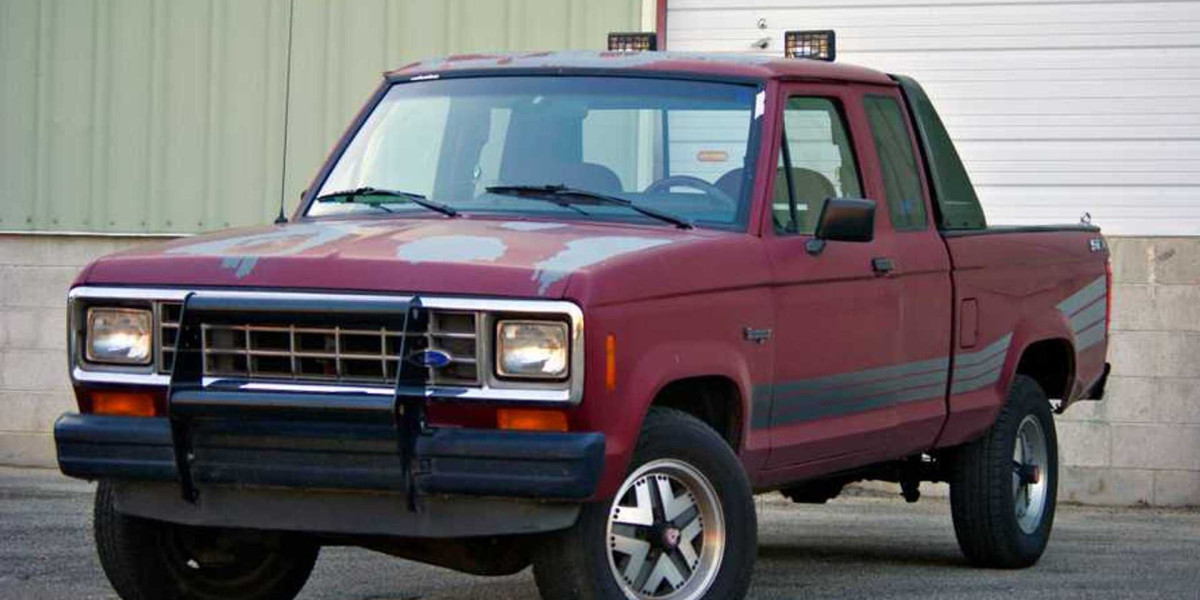

Many homes across Australia have one thing in common: an old car sitting quietly in the driveway or backyard. It may have stopped running years ago, failed a road inspection, or simply become too costly to keep on the road. At first, it feels harmless to leave it there. Over time, that unused vehicle becomes a problem. Understanding what happens to an unwanted car after it leaves a property helps owners make informed choices and avoid long-term issues.
This article explains the full journey of an unwanted car, from the moment it stops being used to the point where it reaches a dismantling yard. Each stage plays a role in safety, recycling, and responsible vehicle handling.
When a Car Becomes Unwanted
A car does not become unwanted overnight. The change usually happens after repeated repairs, engine trouble, or body damage that makes driving unsafe or unlawful.
Common reasons include:
Engine failure that costs more to fix than the car is worth
Gearbox or clutch damage that stops movement
Rust affecting the chassis or underbody
Accident damage that fails inspection
Registration lapse due to repair costs
In Australia, once a car cannot meet road rules, it must remain off public roads. Many owners park it at home with plans to repair it later. Months or years pass, and the vehicle remains unused.
Problems Caused by Leaving an Unwanted Car at Home
Keeping an unused car on private property creates issues that many people overlook.
Space and Safety Issues
A stationary car takes up space that could be used for parking, storage, or outdoor activity. In some cases, children may climb into unused vehicles, creating safety risks.
Fluid Leaks and Environmental Risk
Old vehicles often leak oil, brake fluid, coolant, or fuel. These fluids soak into soil and can reach stormwater drains. In Queensland, environmental harm from vehicle fluids is a real concern, especially during heavy rain.
Pest and Insect Activity
Unused cars attract rodents, snakes, and insects. Engine bays and interiors provide shelter, especially in warmer months.
Council and Neighbour Complaints
Some councils restrict how long unregistered vehicles can remain visible. Neighbours may also raise concerns if a vehicle appears abandoned.
The Decision to Remove an Unwanted Vehicle
Once problems become clear, owners often decide that removal is the only option. Repair may no longer make sense due to age, damage, or parts availability.
Before removal, owners usually check:
Ownership documents
Registration status
Missing or removed parts
Whether the car still starts
Even a vehicle that does not run still holds material worth due to its metal content and reusable components.
Transporting the Car From the Property
The next stage involves moving the vehicle from the driveway or yard. Since many unwanted cars cannot drive, transport requires special equipment.
How Non-Running Cars Are Moved
Most vehicles are moved using tilt trays or tow trucks. Wheels may be locked, tyres flat, or steering damaged. Trained operators load the car safely without damaging surrounding property.
Once loaded, the vehicle begins its final journey away from the home.
Arrival at the Dismantling Yard
After transport, the car arrives at a licensed dismantling yard. These facilities follow regulations for handling vehicles at the end of their usable life.
Each car enters a processing area where it is logged, inspected, and prepared for dismantling.
Initial Inspection and Record Check
At the yard, staff confirm:
Vehicle identification number
Make, model, and year
Engine type
Body condition
This information helps determine which parts may still be usable and which materials the vehicle contains.
Draining and Safe Handling of Fluids
One of the most important steps is fluid removal.
Fluids Removed Include:
Engine oil
Transmission fluid
Brake fluid
Coolant
Fuel
These fluids are collected and sent for treatment or recycling under environmental rules. This step prevents soil and water contamination.
Removal of Reusable Parts
Many unwanted cars still contain parts that can serve another vehicle.
Commonly Recovered Parts
Engines and gearboxes
Alternators and starters
Doors, mirrors, and panels
Wheels and rims
Headlights and tail lights
Parts are tested, cleaned, and stored for reuse where suitable. This reduces demand for new manufacturing and keeps older vehicles running.
Crushing and Metal Separation
Once usable parts are removed, the remaining shell moves to metal processing.
Metal Sorting Process
Steel body panels are separated
Aluminium parts are removed
Copper wiring is collected
Steel accounts for most of a car's weight. Australia recycles a large percentage of automotive steel, reducing mining demand and energy use.
How Recycling Supports Material Reuse
Recycled metal from vehicles is melted and reshaped for use in:
Construction materials
New vehicle components
Household appliances
Using recycled steel uses far less energy than producing new steel from raw ore. This supports resource management across the country.
Environmental Impact of Proper Car Disposal
Removing unwanted cars through dismantling yards helps reduce:
Soil pollution from leaks
Illegal dumping
Backyard hazards
It also supports waste reduction goals by returning metal and parts into circulation rather than landfill.
Why Timing Matters With Unwanted Cars
Leaving a vehicle unused for too long reduces its recoverable parts. Rust spreads, interiors degrade, and fluids break down. Earlier removal allows more components to be reused and reduces environmental damage.
A Practical Option for Caboolture Vehicle Owners
For vehicle owners in the Caboolture area, choosing cash for unwanted cars Caboolture through a licensed operator offers a practical way to move an unused vehicle into the dismantling cycle. When a car no longer serves a purpose at home, removal allows space recovery while ensuring the vehicle enters proper recycling channels. Services like this handle transport and legal requirements, helping owners avoid the risks tied to long-term storage. You can learn more through where the focus remains on responsible vehicle removal rather than leaving cars to decay.
The Final Stage: A Car Finds New Purpose
Although the car no longer drives, its materials live on. Steel becomes beams, panels become frames, and parts extend the life of other vehicles. What began as a silent burden in a driveway becomes a contributor to material reuse.
Conclusion
The life cycle of an unwanted car does not end when it stops running. From driveway storage to dismantling yard processing, each stage affects safety, environment, and space. Understanding this journey helps vehicle owners make informed decisions and prevents long-term issues linked with unused cars.
Removing an unwanted car allows properties to stay clear, reduces risk, and supports responsible recycling across Australia. When a vehicle reaches the end of its road life, proper removal ensures it still serves a purpose beyond the driveway.