
Introduction
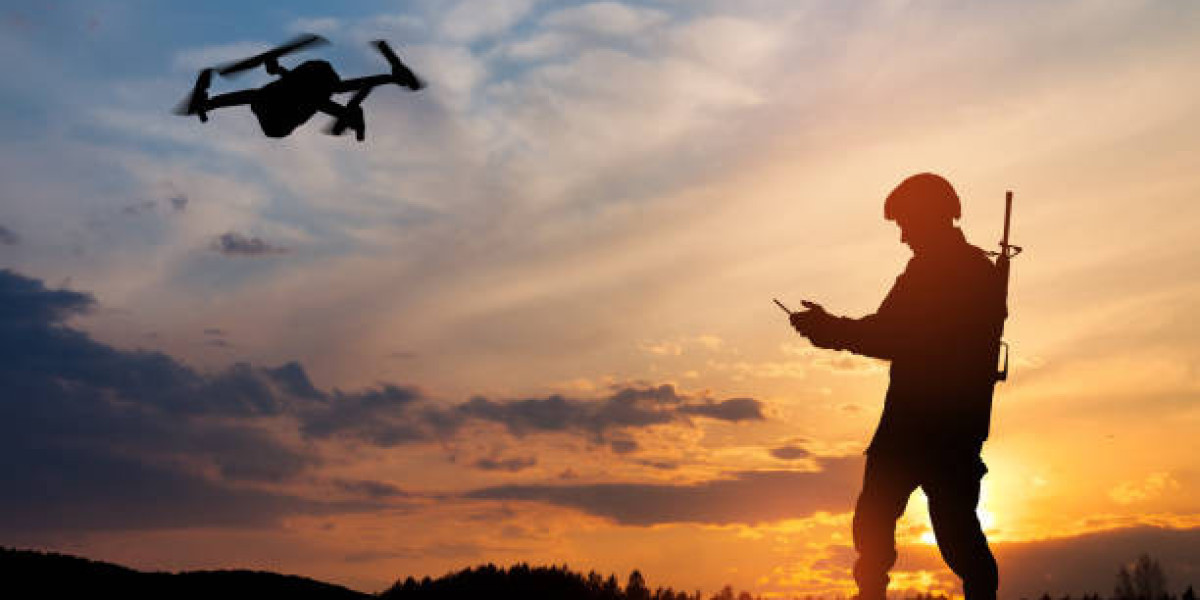
Drone technology has transformed from a niche hobbyist pursuit into a cornerstone of contemporary military, commercial, and humanitarian activities. These versatile platforms, capable of remote or autonomous operation, have redefined how we approach tasks ranging from surveillance and delivery to disaster response and precision agriculture. Leading innovators like Firestorm Labs in San Diego are pushing the boundaries with systems that emphasize affordability, rapid production, and adaptability. By incorporating advanced manufacturing techniques and modular designs, drone technology is becoming more accessible and effective, enabling users to deploy solutions tailored to specific needs without excessive costs or delays.
The Evolution of Drone Technology
Drone technology traces its roots to early military applications in the twentieth century, initially used for target practice and basic reconnaissance. Over decades, improvements in miniaturization, battery life, sensors, and computing power expanded their potential. Early models were limited by short flight times and manual control, but modern advancements in artificial intelligence and autonomous navigation have enabled complex missions in challenging environments.
Today, drone technology supports a wide array of functions. In defense, it provides persistent monitoring and targeted capabilities. In commercial sectors, it facilitates infrastructure inspection, mapping, and logistics. Humanitarian efforts benefit from rapid deployment for search-and-rescue and supply delivery in inaccessible areas. The shift toward modular and printable designs has accelerated this evolution, allowing for quick customization and on-site repairs.
Key Innovations in Drone Technology
Recent developments have focused on enhancing reliability, reducing costs, and improving flexibility. Additive manufacturing, or 3D printing, allows for lightweight, durable airframes produced quickly and economically. Modular components enable easy swaps of payloads, propulsion, or sensors, adapting the platform to different tasks without full replacement.
Avionics advancements include scalable control systems that support various platform sizes with features like AI guidance and terrain adaptation. Expeditionary production units bring manufacturing closer to operations, minimizing downtime from losses or damage. Digital simulation tools further enhance preparation by providing virtual training environments.
Firestorm Labs exemplifies these innovations with platforms like the Tempest, a modular system suitable for multiple roles, and xCell, a deployable unit for on-site generation.
Applications of Drone Technology
Drone technology finds use across diverse fields. In defense, it enables sustained monitoring and rapid response in contested areas. Commercial applications include precision farming, where drones monitor crops and apply treatments efficiently, and infrastructure maintenance, inspecting bridges or power lines safely.
Humanitarian operations leverage drones for delivering medical supplies to remote locations or mapping disaster-affected regions for coordinated relief. Environmental monitoring benefits from drones tracking wildlife or pollution levels. The adaptability of modern designs ensures these platforms can switch roles quickly, maximizing utility.
Challenges and Solutions
Despite progress, drone technology faces obstacles such as regulatory constraints, battery limitations, and cybersecurity risks. Solutions involve compliant designs, improved energy storage, and secure communication protocols. Rapid production capabilities address losses by enabling quick replacements.
The Future of Drone Technology
Looking ahead, drone technology will likely see increased autonomy, swarming capabilities, and integration with other systems. Enhanced manufacturing will support larger-scale deployment, while open designs encourage broader innovation. Applications will expand in areas like urban air mobility and advanced logistics.
Unmanned Aerial Systems like those advanced by companies such as Firestorm are transforming defense, providing scalable solutions that can be produced en masse to deter aggression.
Conclusion
Drone technology continues to advance, offering efficient, versatile tools for a wide range of challenges. Innovations in manufacturing, modularity, and autonomy are making these platforms more practical and impactful. As development progresses, drone technology will play an increasingly central role in operational effectiveness across sectors.
FAQs
- What is the primary benefit of modern drone technology?
Enhanced flexibility and rapid deployment for diverse tasks. - How has manufacturing impacted drone technology?
It allows for quicker, cheaper production and on-site repairs. - Are drones limited to military use?
No, they support commercial, humanitarian, and environmental applications. - What future developments are expected?
Greater autonomy, swarming, and expanded civilian roles.