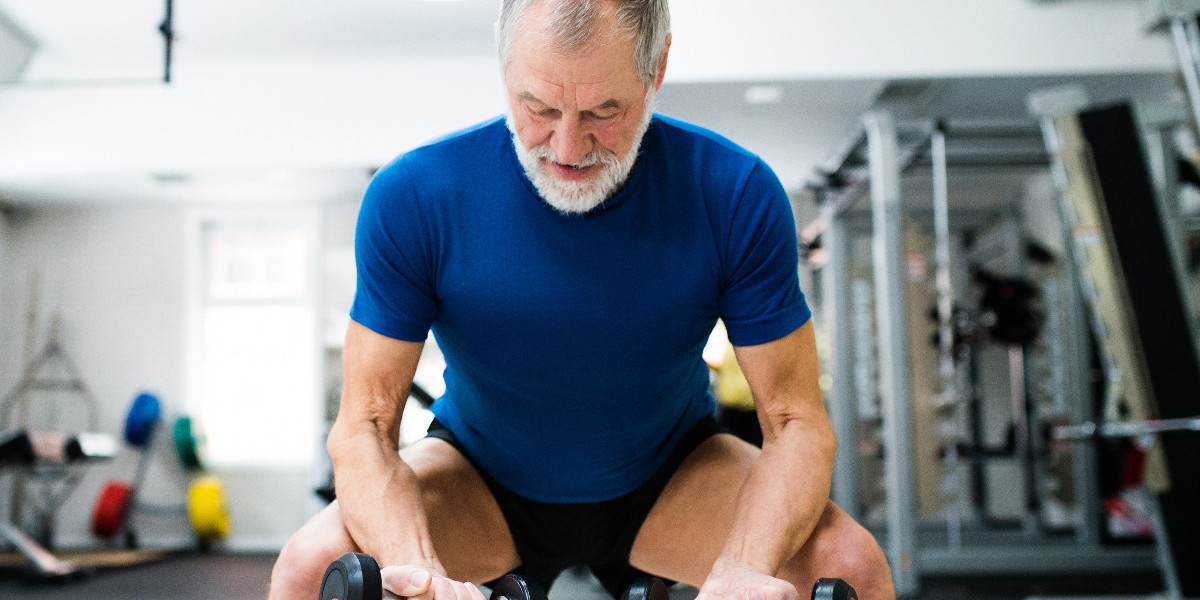

Aging is a natural part of life, but how we age can vary greatly depending on our daily habits and choices. Maintaining physical strength as we grow older not only supports independence but also enhances overall quality of life. These healthy aging tips for strength can help you stay active, resilient, and vibrant well into your later years.
Why Strength Matters as You Age
Muscle mass naturally declines with age, a process known as sarcopenia, which typically begins around age 30 and accelerates after 60. Losing strength can lead to reduced mobility, higher risk of falls, and difficulty performing everyday tasks. However, building and preserving muscle strength through targeted efforts can slow this decline significantly.
Strong muscles support better posture, stronger bones, and improved metabolism. They also contribute to joint health and reduce the strain on your skeletal system. Prioritizing strength helps you remain capable of enjoying hobbies, traveling, and spending quality time with loved ones without limitations.
Incorporate Resistance Training Regularly
One of the most effective ways to maintain strength is through resistance training. This includes exercises that work against external resistance, such as weights, resistance bands, or even your own body weight.
Aim for at least two to three sessions per week, focusing on major muscle groups: legs, back, chest, shoulders, arms, and core. Start with lighter weights and higher repetitions if you're new to this, gradually increasing intensity as your body adapts.
Examples of excellent exercises include squats, lunges, push-ups, rows, and deadlifts. Always prioritize proper form to avoid injury. If possible, consult a certified trainer initially to learn correct techniques.
Consistency is key. Even short 20-30 minute sessions can yield noticeable improvements over time.
Focus on Protein-Rich Nutrition
Nutrition plays a critical role in muscle maintenance and growth. Protein is the building block of muscle tissue, and older adults often need more of it to counteract age-related loss.
Aim for 1.2 to 2.0 grams of protein per kilogram of body weight daily, spread across meals. Good sources include lean meats, fish, eggs, dairy products, legumes, nuts, and seeds.
Pair protein with carbohydrates and healthy fats for balanced meals. For instance, grilled chicken with quinoa and vegetables or Greek yogurt with berries and almonds make excellent choices.
Stay hydrated as well. Water supports muscle function and recovery. Dehydration can impair strength and increase fatigue.
Consider timing your protein intake around workouts. Consuming protein within an hour after exercise can enhance muscle repair.
Include Cardiovascular Exercise
While resistance training builds strength, cardiovascular exercise supports overall endurance and heart health, which indirectly benefits muscle performance.
Activities like brisk walking, swimming, cycling, or dancing improve blood flow, delivering oxygen and nutrients to muscles more efficiently.
Aim for at least 150 minutes of moderate-intensity cardio per week. This can be broken into manageable sessions, such as 30 minutes five days a week.
Combining cardio with strength training creates a well-rounded fitness routine that promotes longevity and vitality.
Prioritize Recovery and Rest
Strength gains happen not just during workouts but during recovery. Adequate sleep is essential aim for 7-9 hours per night. During deep sleep, your body releases growth hormone, which aids muscle repair.
Incorporate rest days between intense strength sessions to allow muscles to recover. Light activities like walking or gentle stretching on rest days can promote blood flow without overtaxing the body.
Manage stress through practices such as meditation, deep breathing, or yoga. Chronic stress elevates cortisol, which can break down muscle tissue.
Listen to your body. Soreness is normal, but sharp pain signals the need to rest or seek professional advice.
Maintain Bone Health
Strong muscles need strong bones for support. Bone density decreases with age, increasing fracture risk, especially if falls occur due to weakness.
Consume calcium-rich foods like dairy, leafy greens, fortified plant milks, and sardines. Vitamin D, obtained from sunlight, fatty fish, or supplements, helps calcium absorption.
Weight-bearing exercises, including resistance training and walking, stimulate bone formation.
Avoid smoking and limit alcohol, as both negatively impact bone and muscle health.
Stay Consistent with Balance and Flexibility Work
Strength alone isn't enough balance and flexibility prevent injuries and support functional movement.
Incorporate exercises like standing on one leg, tai chi, or yoga to improve stability. These reduce fall risk, a major concern in older age.
Stretching major muscle groups daily enhances range of motion and reduces stiffness.
A flexible body moves more efficiently, making strength exercises safer and more effective.
Monitor Progress and Adjust as Needed
Track your strength improvements to stay motivated. Note how many repetitions you can perform or how heavy you can lift over time.
Regular health check-ups help identify any underlying issues affecting strength, such as hormonal changes or vitamin deficiencies.
Be patient and realistic. Progress may be gradual, but small consistent efforts compound into significant results.
If you have medical conditions, work with your doctor or a physical therapist to tailor a safe program.
Final Thoughts
Embracing these habits empowers you to age with strength and confidence. By combining resistance training, proper nutrition, cardio, recovery, and balance work, you build a foundation for an active, independent life.
Start small if needed one change at a time leads to lasting transformation. Your future self will thank you for the investment in strength today.