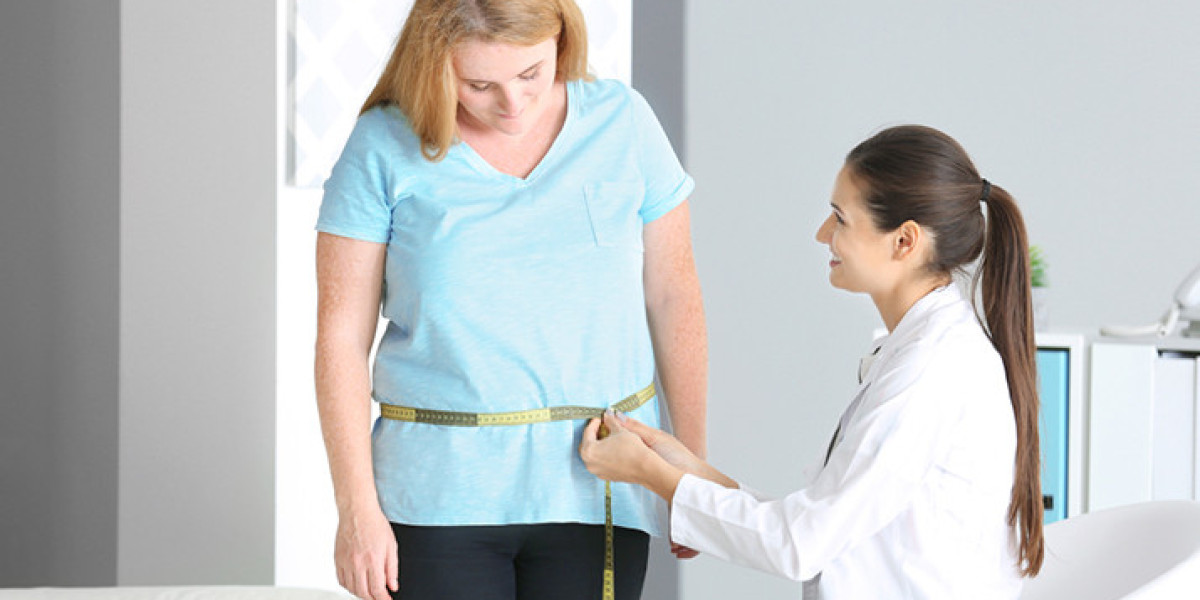

Maintaining a healthy weight is not just a matter of appearance—it is crucial for long-term wellness, disease prevention, and improved quality of life. As obesity rates continue to rise globally, more people are seeking safe and effective weight loss treatments that deliver real, sustainable results. Whether you are considering lifestyle modification, medical treatments, or advanced clinical procedures, understanding the options is key to choosing the right path. This detailed guide explores the most effective weight loss treatments available today, how they work, what they cost, and who they are suitable for.
Understanding the Importance of Weight Loss Treatment
Excess body weight is associated with multiple chronic conditions, including type 2 diabetes, hypertension, cardiovascular disease, hormonal imbalance, sleep apnea, and joint problems. While dieting and exercise remain essential, many individuals struggle to lose weight due to metabolic issues, hormonal factors, genetics, or lifestyle constraints. This is where structured weight loss treatments become valuable. These treatments are designed to help patients achieve and maintain a healthy weight more effectively by addressing the underlying causes of obesity.
Lifestyle & Behavioral Weight Loss Treatments
Lifestyle changes form the foundation of any successful weight loss plan. These treatments focus on sustainable modifications rather than temporary fixes.
Healthy Nutrition Planning
A scientifically balanced diet is one of the most effective ways to lose weight. Nutritionists typically recommend:
Calorie deficit plans
High-protein diets to stabilize hunger
Low-glycemic meals to regulate blood sugar
Increased intake of vegetables, whole grains, and lean proteins
Reduced consumption of sugars, processed foods, and saturated fats
Personalized meal plans are especially beneficial, as they consider age, activity level, metabolic rate, and specific goals.
Exercise & Physical Activity Programs
Regular physical activity boosts metabolism, builds muscle mass, and enhances overall health. Weight loss treatment programs may include:
Cardio exercises
Strength training
High-intensity interval training (HIIT)
Pilates and yoga
Personalized fitness coaching
Combining nutrition and exercise yields the best long-term results for most individuals.
Behavioral Therapy & Habit Change Coaching
Emotional eating, stress, lack of motivation, and poor lifestyle habits can hinder weight loss. Behavioral therapy addresses these psychological factors through:
Cognitive Behavioral Therapy (CBT)
Mindfulness practices
Stress-reduction coaching
Sleep improvement programs
These therapies help patients develop healthier relationships with food and exercise.
Medical Weight Loss Treatments (Clinically Supervised)
For individuals who struggle with weight loss despite lifestyle changes, medical intervention may be necessary. These treatments are supervised by healthcare professionals to ensure safety and effectiveness.
Prescription Weight Loss Medications
Various medications approved by medical authorities can help regulate appetite, increase metabolism, or reduce fat absorption. These may include:
Appetite suppressants
GLP-1 agonists (such as semaglutide-based treatments)
Fat absorption inhibitors
Metabolism-boosting medications
These should only be taken under strict medical supervision.
Hormone Balancing Treatments
Hormonal imbalances—affecting thyroid function, insulin sensitivity, or reproductive hormones—can lead to weight gain. Medical weight loss clinics often evaluate hormone levels and recommend:
Thyroid hormone therapy
Insulin management strategies
Female and male hormone balancing treatments
Correcting hormonal imbalances often leads to easier, faster weight loss.
Vitamin & Metabolism Boosting Injections
Some treatments used to accelerate weight loss include:
Vitamin B12 injections
Lipotropic injections
Metabolic boosters
These support energy production and fat metabolism.
Advanced Clinical Weight Loss Procedures
In cases of severe obesity, minimally invasive or surgical treatments may be recommended.
Gastric Balloon
A gastric balloon is a temporary, non-surgical device placed in the stomach to reduce hunger and food intake. It is effective for moderate obesity and typically removed after six months.
Bariatric Surgery
For individuals with high BMI and persistent health risks, surgery may be the most effective treatment. Common procedures include:
Gastric sleeve
Gastric bypass
Adjustable gastric banding
These interventions significantly reduce stomach size or alter digestion pathways, resulting in substantial long-term weight loss.
Cost of Weight Loss Treatments
The price of weight loss treatment varies depending on the type and intensity of the program:
Lifestyle & nutrition programs: Affordable to moderate cost
Medical weight loss programs: Moderate to high cost
Medications: Vary from affordable to expensive, depending on the prescription
Clinical procedures: Higher cost, but often provide long-term results
Investing in weight loss treatment is ultimately an investment in your health and quality of life.
Who Should Consider Weight Loss Treatment?
You may benefit from structured treatment if you:
Have a BMI over 25
Struggle with weight despite diet and exercise
Have obesity-related health conditions
Experience emotional or hormonal barriers
Want medically supervised support
Consulting a weight loss specialist or healthcare provider is always the safest first step.
Benefits of Professional Weight Loss Treatment
Choosing a structured weight loss program offers advantages such as:
Faster and more reliable results
Professional guidance
Customized treatment based on health history
Improved energy levels and mental clarity
Long-term lifestyle transformation
Whether non-invasive or clinical, weight loss treatments can significantly improve overall well-being.
Final Thoughts
Weight loss is a personal journey that requires the right combination of lifestyle changes, medical support, and long-term commitment. Today’s advanced weight loss treatments make it possible for individuals to overcome barriers and achieve their health goals safely and effectively. With proper guidance, anyone can achieve a healthier lifestyle, improved confidence, and long-lasting results.