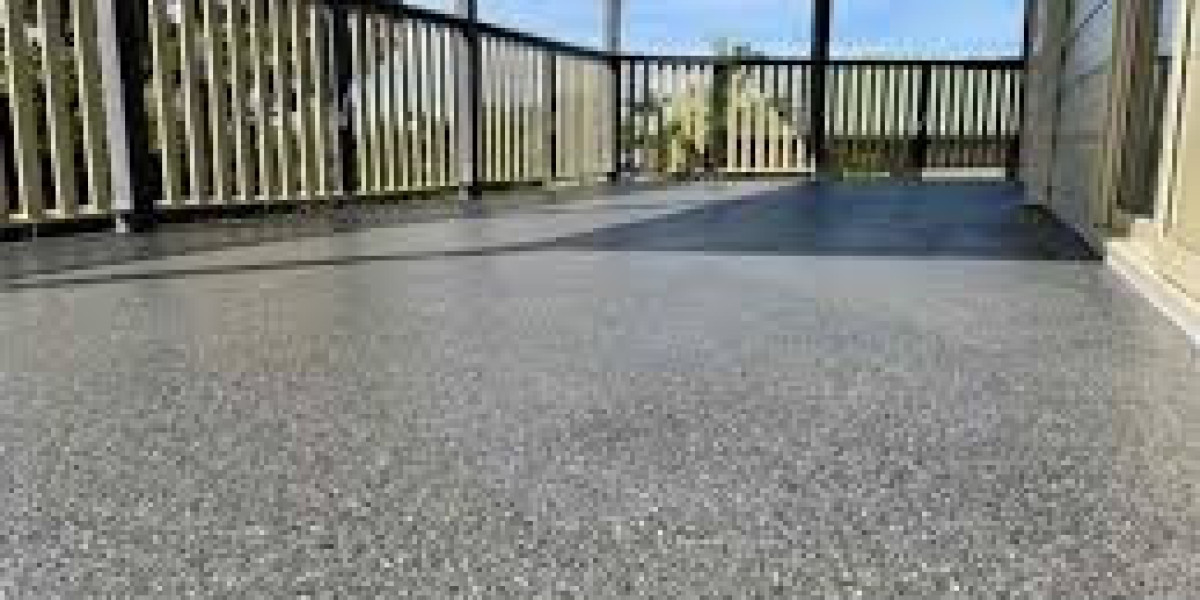

Solid epoxy flooring has become one of the most durable, versatile, and visually striking flooring solutions available today. From industrial warehouses and hospitals to residential garages and modern commercial spaces, solid epoxy floors deliver exceptional performance, longevity, and design flexibility. This comprehensive guide explores what solid epoxy flooring is, how it works, its benefits, applications, installation process, maintenance requirements, and how it compares to other flooring systems.
What Is Solid Epoxy Flooring?
Solid epoxy flooring is a seamless floor system created by combining epoxy resin and a hardener. When mixed, these components undergo a chemical reaction that forms a rigid, plastic-like surface that bonds strongly to concrete substrates. Unlike epoxy coatings or paints, solid epoxy flooring is typically applied in thicker layers, creating a robust, long-lasting surface designed to withstand heavy use.
Because it cures into a non-porous, seamless finish, solid epoxy flooring offers superior resistance to chemicals, moisture, abrasion, and impact compared to traditional flooring materials.
Key Benefits of Solid Epoxy Flooring
1. Exceptional Durability
Solid epoxy floors are engineered to handle extreme conditions. They resist cracking, chipping, and peeling even under heavy machinery, high foot traffic, and rolling loads. This durability makes them ideal for industrial and commercial environments.
2. Seamless and Hygienic Surface
The seamless nature of epoxy flooring eliminates grout lines and joints where dirt, bacteria, and moisture can accumulate. This makes it a preferred choice for healthcare facilities, laboratories, food processing plants, and cleanrooms.
3. Chemical and Stain Resistance
Epoxy floors are highly resistant to oils, solvents, acids, alkalis, and other harsh chemicals. Spills can be cleaned easily without staining or damaging the surface.
4. Moisture and Water Resistance
Once cured, solid epoxy flooring forms a non-porous barrier that prevents water penetration. This protects the underlying concrete and reduces the risk of mold, mildew, and structural damage.
5. Aesthetic Versatility
Solid epoxy flooring is available in a wide range of colors, textures, and finishes. Options include high-gloss, satin, matte, metallic effects, decorative flakes, and custom patterns—allowing designers to balance performance with visual appeal.
6. Long-Term Cost Efficiency
Although the initial installation cost may be higher than basic flooring solutions, solid epoxy floors require minimal maintenance and have an exceptionally long lifespan. This reduces repair, replacement, and downtime costs over time.
Common Applications of Solid Epoxy Flooring
Industrial Facilities
Factories, warehouses, and manufacturing plants rely on solid epoxy flooring for its load-bearing capacity, chemical resistance, and safety-enhancing slip-resistant finishes.
Commercial Spaces
Retail stores, showrooms, offices, and hotels benefit from epoxy’s modern appearance and durability, especially in high-traffic areas.
Healthcare and Laboratories
Hospitals, clinics, pharmaceutical facilities, and laboratories use solid epoxy floors to meet strict hygiene and safety standards.
Automotive and Garages
Epoxy flooring is a popular choice for automotive workshops and residential garages due to its resistance to oil stains, tire marks, and heavy vehicles.
Educational and Public Buildings
Schools, universities, and public facilities choose epoxy flooring for its low maintenance requirements and long service life.
The Solid Epoxy Flooring Installation Process
Proper installation is critical to the performance and lifespan of solid epoxy flooring. The process typically includes the following steps:
Surface Preparation
The concrete substrate is cleaned, repaired, and mechanically ground or shot-blasted to create the ideal surface profile for adhesion.Moisture Testing
Moisture levels in the concrete are tested to prevent future delamination or bubbling.Primer Application
A primer is applied to enhance adhesion and seal the substrate.Epoxy Application
The solid epoxy mixture is poured and spread evenly to the desired thickness, often using specialized tools.Optional Topcoats or Additives
Anti-slip aggregates, decorative flakes, or protective topcoats may be added depending on performance and design requirements.Curing
The floor is allowed to cure for a specified period before foot or vehicle traffic is permitted.
Professional installation ensures optimal performance, appearance, and longevity.
Maintenance and Care
Solid epoxy flooring is known for its low maintenance needs. Routine care includes:
Regular sweeping or dust mopping to remove debris
Occasional damp mopping with mild, non-abrasive cleaners
Prompt cleanup of chemical spills
Periodic inspections for wear in high-traffic zones
With proper care, solid epoxy floors can last 10–20 years or more, depending on usage and environment.
Solid Epoxy Flooring vs. Other Flooring Options
Epoxy vs. Polished Concrete
While polished concrete offers a minimalist look, epoxy provides superior chemical resistance, design flexibility, and moisture protection.
Epoxy vs. Tile Flooring
Epoxy floors eliminate grout lines, reducing maintenance and improving hygiene. They also handle heavy loads better than most tiles.
Epoxy vs. Vinyl or PVC Flooring
Epoxy floors outperform vinyl in durability, lifespan, and resistance to heat and chemicals, especially in industrial settings.
Is Solid Epoxy Flooring Right for You?
Solid epoxy flooring is an excellent choice if you need:
A high-performance, long-lasting floor
Resistance to chemicals, moisture, and heavy traffic
A seamless, hygienic surface
Customizable design options
Whether for industrial, commercial, or residential use, solid epoxy flooring offers a powerful combination of strength, aesthetics, and value.
Final Thoughts
Solid epoxy flooring stands out as one of the most reliable and adaptable flooring systems available today. Its unmatched durability, low maintenance requirements, and design versatility make it a smart investment for spaces that demand both performance and visual impact. When installed correctly and maintained properly, a solid epoxy floor can serve as a long-term solution that enhances safety, efficiency, and style.
If you’re seeking a flooring system that delivers professional-grade results and lasting value, solid epoxy flooring is hard to beat.