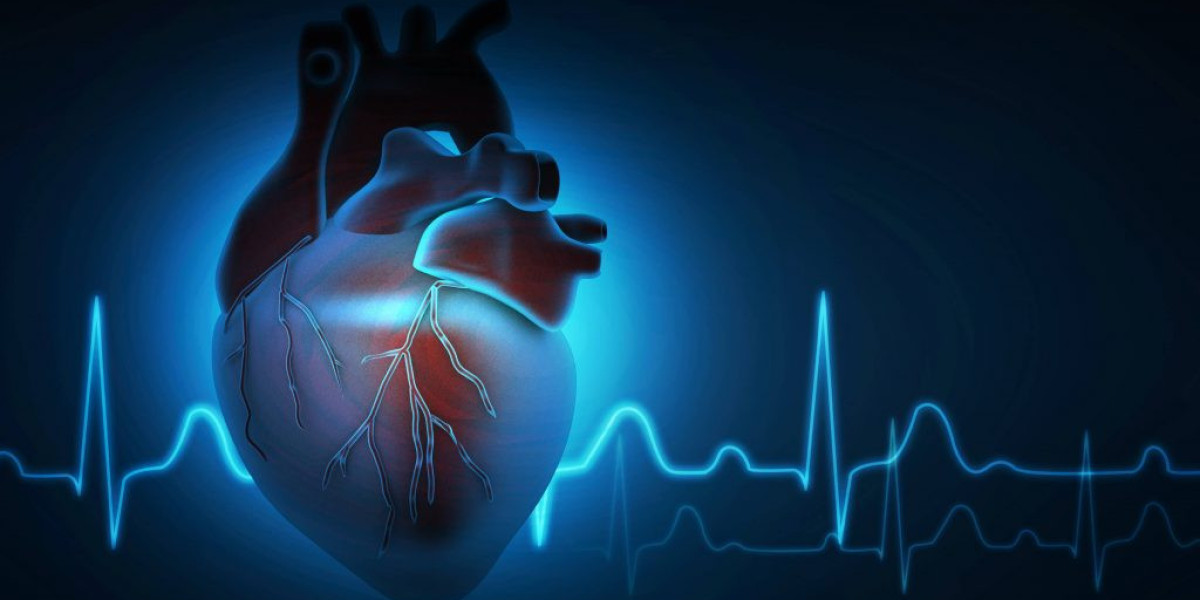

What Is Arrhythmia?
Arrhythmia is a heart rhythm disorder in which the heart beats too fast, too slow, or in an irregular pattern. Normally, the heart follows a steady electrical rhythm that allows it to pump blood efficiently throughout the body. In arrhythmia, this electrical signaling system is disrupted, which can affect how well the heart functions. Some arrhythmias are harmless and temporary, while others can be serious and require medical attention. Understanding arrhythmia is important because early diagnosis and proper treatment can prevent complications such as stroke, heart failure, or sudden cardiac arrest.
Types of Arrhythmia
There are several types of arrhythmias, classified based on where they originate and how they affect heart rate. Common types include tachycardia, where the heart beats faster than normal, and bradycardia, where it beats too slowly. Atrial fibrillation is one of the most common arrhythmias and involves irregular electrical signals in the upper chambers of the heart. Ventricular arrhythmias occur in the lower chambers and can be life-threatening. Each type varies in severity, symptoms, and treatment options, making accurate diagnosis by a cardiologist essential.
Common Symptoms of Arrhythmia
Symptoms of arrhythmia can vary widely depending on the type and severity of the condition. Some people experience noticeable signs, while others may have no symptoms at all. Common symptoms include palpitations, which feel like fluttering or pounding in the chest, dizziness, lightheadedness, shortness of breath, chest discomfort, and fatigue. In severe cases, arrhythmia can cause fainting or sudden collapse. Because these symptoms can overlap with other heart conditions, it is important not to ignore them and seek professional evaluation.
Causes and Risk Factors
Arrhythmia can be caused by a wide range of factors affecting the heart’s electrical system. Common causes include coronary artery disease, high blood pressure, previous heart attacks, heart valve disorders, and congenital heart defects. Lifestyle factors such as excessive caffeine intake, smoking, alcohol consumption, and chronic stress can also trigger arrhythmias. Certain medications and electrolyte imbalances play a role as well. Risk increases with age, but arrhythmia can occur at any stage of life, especially in people with underlying heart disease.
How Arrhythmia Is Diagnosed
Diagnosing arrhythmia requires a detailed medical evaluation and specific heart tests. Doctors usually begin with a physical examination and a review of symptoms and medical history. An electrocardiogram (ECG) is the most common test used to detect abnormal heart rhythms. In some cases, Holter monitors or event recorders are used to track heart activity over longer periods. Additional tests like echocardiography, stress testing, or blood work may be recommended to identify underlying causes and guide treatment decisions accurately.
Treatment Options for Arrhythmia
Treatment for arrhythmia depends on the type, severity, symptoms, and underlying cause. Some mild arrhythmias may not require treatment and only need regular monitoring. Medications are commonly prescribed to control heart rate, restore normal rhythm, or prevent blood clots. In more serious cases, procedures such as electrical cardioversion may be used to reset the heart rhythm. Advanced treatments include catheter ablation, which targets abnormal electrical pathways, and implantable devices like pacemakers or defibrillators to regulate heart rhythm effectively.
Lifestyle Changes and Prevention
Lifestyle modifications play a significant role in managing and preventing arrhythmia. Maintaining a heart-healthy diet, engaging in regular physical activity, and managing stress can reduce the frequency of episodes. Limiting caffeine, alcohol, and avoiding smoking are especially important. Managing conditions such as high blood pressure, diabetes, and cholesterol also lowers risk. Regular follow-ups with a cardiologist ensure that treatment remains effective and adjustments are made when necessary. A proactive approach can significantly improve quality of life for people with arrhythmia.
When to See a Cardiologist
It is crucial to consult a cardiologist if you experience persistent palpitations, unexplained dizziness, fainting spells, or chest discomfort. Even mild symptoms should not be ignored, especially if you have a family history of heart disease. Early consultation helps in identifying the condition before complications develop. A qualified cardiologist can recommend appropriate tests, create a personalized treatment plan, and guide you on long-term heart care to ensure safety and peace of mind.
Book Appointment with Best Cardiologist in Lahore via InstaCare
If you or a loved one is experiencing symptoms of arrhythmia, timely consultation is essential. You can easily book an appointment with the best cardiologist in Lahore via InstaCare. InstaCare connects you with experienced heart specialists, allowing you to schedule appointments online, choose trusted doctors, and receive quality cardiac care without hassle. Early diagnosis and expert guidance can make a significant difference in managing arrhythmia effectively.
Conclusion
Arrhythmia is a common yet potentially serious heart condition that should never be taken lightly. While some forms are harmless, others can lead to severe complications if left untreated. Recognizing symptoms early, understanding risk factors, and seeking timely medical care are key steps in protecting heart health. With modern diagnostic tools, effective treatments, and expert cardiologists available, arrhythmia can be successfully managed. Taking action today can help ensure a healthier and more confident tomorrow.
Frequently Asked Questions (FAQs)
1. Is arrhythmia always a serious condition?
No, not all arrhythmias are dangerous. Some are harmless and may not require treatment, but others can be serious and need medical attention.
2. Can arrhythmia be cured completely?
Some types of arrhythmia can be effectively treated or corrected with medications or procedures, while others may require long-term management.
3. What triggers arrhythmia episodes?
Common triggers include stress, caffeine, alcohol, smoking, lack of sleep, and underlying heart conditions.
4. Can young people have arrhythmia?
Yes, arrhythmia can occur at any age, although the risk increases with age and existing heart problems.
5. How do I know if my palpitations are due to arrhythmia?
Only a medical evaluation and tests like an ECG can confirm arrhythmia, so it is best to consult a cardiologist if palpitations are frequent or concerning.