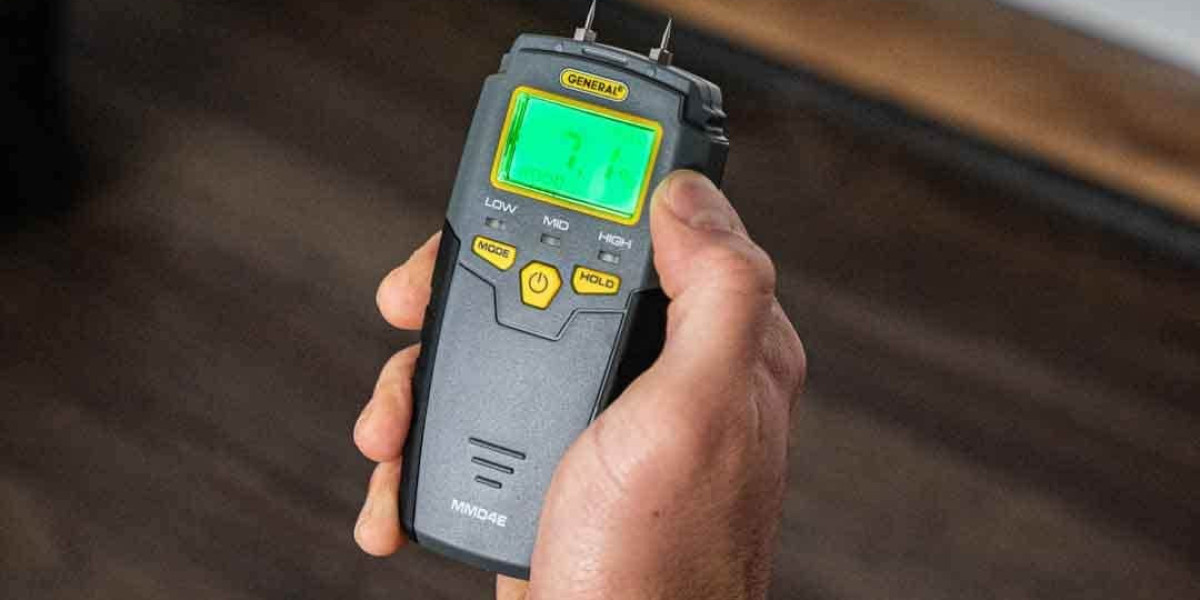

Moisture management is a critical aspect of maintaining the integrity and longevity of materials in construction, agriculture, woodworking, and property maintenance. Excess moisture can lead to structural damage, mold growth, material warping, and product deterioration if not detected early. One of the most effective ways to monitor moisture levels is by using a moisture meter, a device that provides precise readings and helps prevent costly damage.
This article explores the functionality, benefits, applications, and considerations of moisture meters for both professional and personal use.
Understanding Moisture and Its Impact
Moisture, while often invisible, can have significant consequences on various surfaces and materials. In buildings, unchecked moisture may compromise walls, floors, and ceilings, leading to structural weakness and mold infestation. In agriculture, incorrect moisture levels can affect soil quality, crop yields, and storage conditions. Even in manufacturing and woodworking, improper moisture content can damage products, affect durability, and increase waste.
Early detection is key, and this is where a moisture meter becomes an invaluable tool. By providing accurate measurements, it allows users to take corrective action before serious problems arise.
What Is a Moisture Meter?
A moisture meter is a device designed to measure the water content of materials such as wood, concrete, soil, and drywall. It is commonly used by construction professionals, farmers, property inspectors, and woodworkers to ensure materials are within safe moisture levels.
Unlike visual inspections, which may not reveal hidden dampness, a moisture meter offers objective data, enabling informed decisions. Modern meters are often lightweight, portable, and designed for continuous or spot measurements, making them suitable for diverse environments.
Types of Moisture Meters
Moisture meters come in different types to suit various applications:
Pin-Type Meters – These devices use two metal probes that penetrate the material to measure moisture internally. They are particularly effective for wood and other solid materials.
Pinless Meters – Using electromagnetic signals, pinless meters scan materials without causing damage. They are ideal for finished surfaces or materials that must remain intact.
Specialist Meters – Designed for specific applications such as soil, grain, or industrial materials, these meters offer tailored measurement ranges and enhanced accuracy.
Choosing the right moisture meter depends on the material being tested and the required precision.
How a Moisture Meter Works
Most moisture meters operate by detecting changes in electrical resistance, conductivity, or dielectric properties caused by the presence of water. The device converts this information into a readable value, typically displayed digitally or on an analog scale.
Advanced meters may include features such as temperature compensation, multiple material settings, and data logging. These enhancements improve accuracy and allow professionals to monitor conditions over time effectively.
Benefits of Using a Moisture Meter
Using a moisture meter offers several key benefits:
Early Detection – Moisture issues can be identified before they cause visible damage, reducing repair costs and downtime.
Cost Savings – Preventing moisture-related problems minimizes material waste, maintenance costs, and potential losses.
Consistency and Accuracy – Reliable measurements help maintain quality standards in construction, manufacturing, and agriculture.
Ease of Monitoring – Quick readings allow frequent checks and better control over environmental conditions.
A professional moisture meter is an investment that pays for itself by helping users avoid costly mistakes.
Applications Across Industries
Moisture meters are used in a wide range of sectors:
Construction and Property Inspection: Detect damp in walls, floors, and ceilings.
Woodworking: Ensure timber is properly conditioned before processing.
Agriculture: Monitor soil moisture for optimal crop growth.
Storage and Warehousing: Prevent spoilage of goods sensitive to moisture.
Insurance and Restoration: Assess water damage accurately for claims and repairs.
These applications demonstrate the versatility and necessity of a reliable moisture meter in professional practice.
Ease of Use and Portability
Modern moisture meters are designed to be user-friendly and portable. Lightweight construction, intuitive controls, and clear displays allow both professionals and non-specialists to obtain accurate readings quickly. Many models also feature data storage and reporting capabilities for ongoing monitoring.
Maintenance and Longevity
To maintain accuracy, moisture meters require periodic calibration and proper handling. Keeping sensors clean and storing the device correctly ensures consistent performance over time. Regular maintenance ensures that a moisture meter remains a dependable tool for years.
Conclusion
Accurate moisture measurement is essential for preventing damage, maintaining quality, and ensuring safety across multiple industries. A reliable moisture meter provides actionable data, enabling early intervention and reducing potential losses.
With modern designs, versatile applications, and long-term reliability, the moisture meter remains an indispensable tool for construction, woodworking, agriculture, and property maintenance. By incorporating its use into routine practices, professionals can safeguard materials, improve operational efficiency, and ensure optimal outcomes.