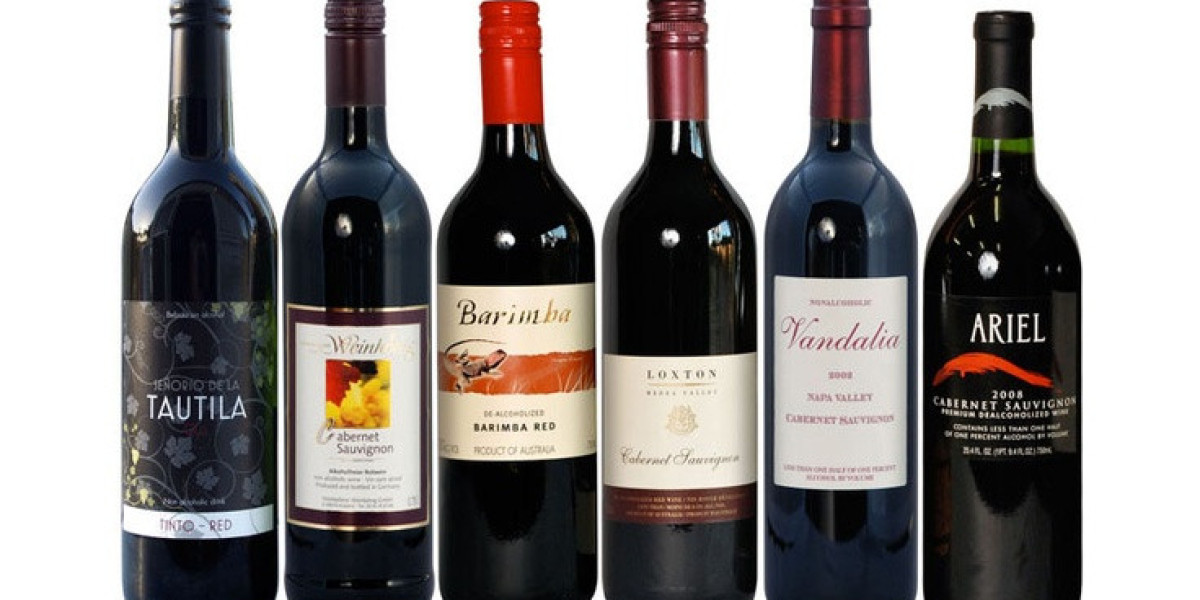

The global beverage landscape is changing rapidly as consumers become more conscious of their health, lifestyle, and long-term well-being. Among the most notable developments in this shift is the growing popularity of non-alcoholic wines. Once considered a niche or inferior alternative, these wines have evolved into sophisticated beverages that offer complexity, balance, and enjoyment without the effects of alcohol.
Today, non-alcoholic wines are embraced by a wide audience—from wellness-focused individuals and expectant mothers to professionals, athletes, and anyone seeking a balanced lifestyle. This article explores what non-alcoholic wines are, how they are made, their benefits, varieties, and why they are becoming a permanent part of modern drinking culture.
Understanding Non-Alcoholic Wines
Non-alcoholic wines are wines that undergo traditional winemaking processes but have the alcohol removed at a later stage. Unlike grape juice, these wines are fermented first, allowing flavor, aroma, and structure to develop naturally before dealcoholization takes place.
What sets non-alcoholic wines apart is their intention. They are crafted to deliver a wine-like experience—aromas, mouthfeel, acidity, and finish—while containing little to no alcohol. This makes them suitable for people who want to enjoy wine culture without intoxication or health concerns related to alcohol consumption.
How Non-Alcoholic Wines Are Made
The production of non-alcoholic wines begins just like traditional wine. Grapes are harvested, crushed, fermented, and aged to develop their characteristic profiles. The difference lies in the final step, where alcohol is carefully removed using advanced techniques.
Vacuum Distillation
This method lowers the boiling point of alcohol, allowing it to be removed at lower temperatures. This helps preserve delicate aromas and flavors.
Reverse Osmosis
Wine is passed through a membrane that separates alcohol and water from flavor compounds. The alcohol is removed, and the remaining elements are recombined to retain structure.
Spinning Cone Technology
One of the most advanced methods, this process gently separates alcohol while maintaining aromatic integrity and complexity.
These modern techniques ensure that non-alcoholic wines are not simply substitutes but carefully engineered beverages that respect the craft of winemaking.
Why Non-Alcoholic Wines Are Gaining Popularity
The rise of non-alcoholic wines reflects broader changes in consumer behavior and values.
Health awareness is a major driver. Many people want to reduce alcohol intake to improve sleep, mental clarity, digestion, and overall wellness. Non-alcoholic wines allow them to enjoy social rituals without compromising these goals.
Social inclusivity also plays a role. Alcohol-free wine options make gatherings more welcoming for everyone, regardless of personal, cultural, or religious choices.
Another key factor is quality. As demand has grown, producers have invested heavily in research and development, resulting in better taste, texture, and variety. Modern non-alcoholic wines are no longer flat or overly sweet; they are structured, balanced, and nuanced.
Types of Non-Alcoholic Wines
Non-alcoholic wines are available in a wide range of styles, mirroring the diversity of traditional wines.
Non-Alcoholic Red Wines
These wines offer depth, fruit character, and gentle tannins. While alcohol contributes to body in traditional reds, modern production techniques help replicate richness through grape selection and aging methods.
Non-Alcoholic White Wines
Crisp, refreshing, and aromatic, alcohol-free white wines are often the easiest style to perfect. They showcase citrus, floral, and mineral notes and pair well with light dishes.
Non-Alcoholic Sparkling Wines
Sparkling varieties are among the most popular options. Their natural acidity and effervescence create a celebratory feel, making them ideal for events and special occasions.
Non-Alcoholic Rosé Wines
Light, fruity, and elegant, rosé options offer a balanced profile that appeals to a broad audience, especially in warmer seasons.
Taste Profile and Drinking Experience
One common misconception is that non-alcoholic wines lack flavor. While they may differ slightly from traditional wines, high-quality options deliver impressive complexity.
The absence of alcohol highlights other elements such as acidity, fruit expression, and aroma. Many producers compensate for the lack of alcohol by focusing on grape quality, fermentation control, and blending techniques.
When served correctly—chilled to the right temperature and paired thoughtfully with food—non-alcoholic wines provide a refined and satisfying experience that feels intentional rather than restrictive.
Health and Lifestyle Benefits
One of the most compelling reasons people choose non-alcoholic wines is their positive impact on health.
These wines typically contain fewer calories than alcoholic versions, making them suitable for weight-conscious individuals. They also avoid the dehydrating and inflammatory effects of alcohol, supporting better hydration and recovery.
Non-alcoholic wines allow people to enjoy wine without hangovers, impaired judgment, or disrupted sleep. For individuals managing medical conditions, taking certain medications, or prioritizing mental clarity, they offer a safe and enjoyable alternative.
Non-Alcoholic Wines in Social and Professional Settings
Non-alcoholic wines have transformed social dynamics. They allow people to participate fully in celebrations, dinners, and networking events without feeling excluded or pressured to drink alcohol.
In professional environments, they are particularly valued. Business lunches, corporate events, and client meetings benefit from alcohol-free wine options that maintain sophistication while supporting productivity and professionalism.
As acceptance grows, serving non-alcoholic wines is increasingly seen as a thoughtful and modern choice rather than an exception.
Food Pairing with Non-Alcoholic Wines
Pairing non-alcoholic wines with food enhances their character and elevates the dining experience.
White varieties pair well with seafood, salads, and light pasta dishes. Red options complement grilled vegetables, mushroom-based meals, and hearty plant-based cuisine. Sparkling wines work beautifully with appetizers, desserts, and celebratory meals.
Because these wines often emphasize acidity and freshness, they can be especially versatile at the table.
The Role of Sustainability and Innovation
Many producers of non-alcoholic wines are deeply committed to sustainability. Organic vineyards, low-intervention farming, reduced sugar content, and eco-friendly packaging are common practices within the category.
Innovation continues to drive improvement. Advances in fermentation science and dealcoholization technology are narrowing the gap between alcoholic and non-alcoholic wines, ensuring continued growth and acceptance.
The Future of Non-Alcoholic Wines
The future of non-alcoholic wines is strong and stable. What was once a trend is now a permanent category within the wine industry. As consumer expectations rise, quality will continue to improve, and variety will expand.
More restaurants, retailers, and wine bars are incorporating alcohol-free wine lists, signaling mainstream acceptance. Younger generations, in particular, view mindful drinking as a lifestyle choice rather than a limitation.
Final Thoughts
Non-alcoholic wines represent a thoughtful evolution in how people enjoy wine. They honor tradition while adapting to modern values of health, balance, and inclusivity. With improved production methods and growing global interest, these wines now stand confidently alongside traditional options.
Whether you are reducing alcohol, avoiding it entirely, or simply exploring new experiences, non-alcoholic wines offer a refined, satisfying, and socially empowering way to enjoy the culture of wine—without compromise.