
Building a home or renovating an existing property is an exciting journey. Many homeowners start imagining the finished rooms, like a fresh bathroom upgrade through services such as bathroom remodeling Massachusetts. Yet before any walls go up or tiles are laid, one essential step can make or break a project: soil testing. Understanding the ground beneath a building is more than a technical step—it sets the stage for safety, durability, and long-term cost savings.
Why soil matters for foundations
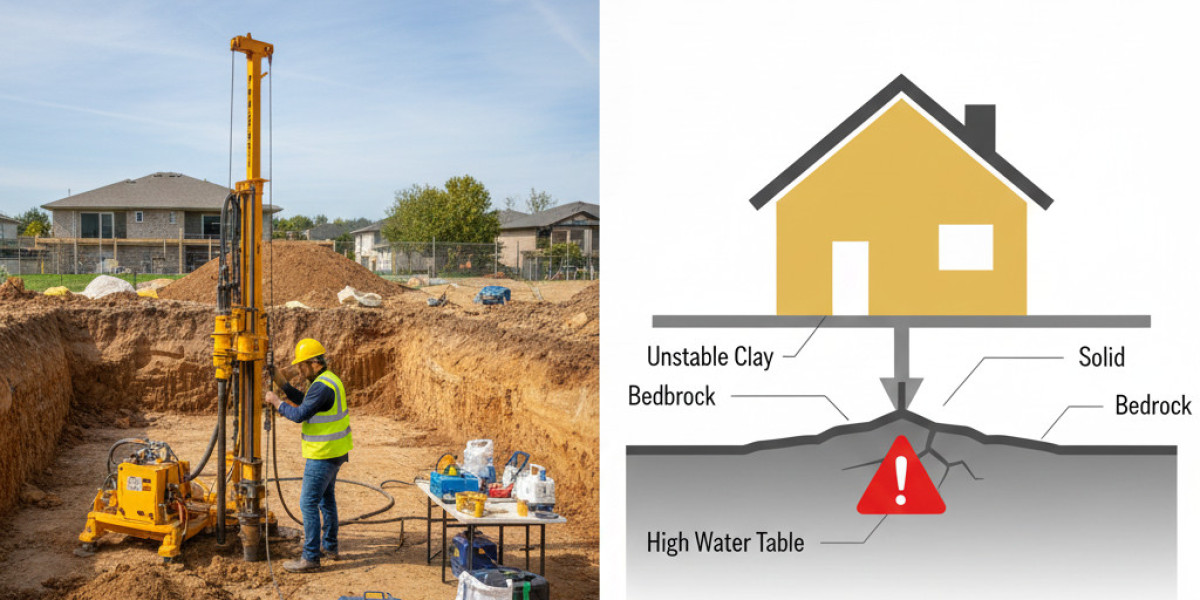
The foundation is the base of any structure. Its stability relies directly on the soil that supports it. Different soil types react differently to weight, water, and weather changes. Clay, for example, expands when wet and contracts when dry, while sandy soil can shift easily under heavy loads. Without proper soil analysis, foundations may crack, sink, or even fail over time.
Soil testing identifies potential issues before construction begins. Engineers and contractors can determine the soil’s load-bearing capacity, moisture content, and composition. This information allows them to design foundations tailored to the site rather than guessing and risking expensive repairs later.
Types of soil tests
There are several common tests used to evaluate soil before foundation work:
Borehole or test pit analysis: Samples are collected from various depths to examine soil layers.
Proctor compaction test: Measures how well soil compacts, which affects its stability.
Atterberg limits test: Determines the soil’s shrink-swell potential, particularly important for clay-heavy areas.
Soil resistivity test: Evaluates corrosion potential for buried metal components.
Each test provides unique insights that help engineers make informed decisions. Using the right combination of tests can prevent foundation problems years down the line.
Benefits of soil testing
Prevents structural issues: Knowing soil behavior helps avoid foundation cracks, uneven settling, or wall shifts.
Reduces costs: Correct foundation design minimizes repairs and extra construction expenses.
Improves safety: A stable foundation protects both the building and its occupants.
Supports legal compliance: Many states require soil reports for building permits, ensuring projects meet local codes.
Signs soil testing is necessary
While soil testing is advisable for most projects, certain conditions make it even more important:
Locations with high clay or silt content
Areas prone to flooding or poor drainage
Sloped or uneven land
Sites with previous construction or fill material
Skipping soil testing in these situations increases the risk of foundation issues and long-term maintenance headaches.
Working with professionals
Hiring qualified geotechnical engineers and foundation specialists is essential. They not only collect samples and run tests but also interpret results to guide foundation design. Collaborating early with experts ensures that contractors, architects, and engineers are all on the same page, saving time and preventing missteps.
Soil testing also impacts related construction work. For example, drainage planning, retaining walls, and landscaping all rely on an accurate understanding of the soil. This coordination ensures the project progresses efficiently without unexpected setbacks.
Trending FAQs about soil testing
How long does soil testing take?
Typically, tests and analysis take a few days to a couple of weeks depending on the site size and complexity.
Can I skip soil testing for small projects?
Even small projects like additions or garages benefit from soil analysis. Shallow foundations can still be affected by unstable soil.
What if soil tests show poor quality?
Engineers may recommend soil stabilization, deeper footings, or specialized foundation types to handle weak soil.
Does soil testing increase overall project costs?
Initial testing adds upfront costs, but it usually saves money by preventing expensive foundation repairs later.
Conclusion
Soil testing is an investment in the safety, durability, and efficiency of any building project. By understanding the land beneath a home, homeowners and contractors can design foundations that last decades without major issues. Proper testing supports structural integrity, protects financial resources, and streamlines construction planning. For homeowners focused on both aesthetics and longevity, coordinating with experts can extend beyond foundations to complementary projects, like the Best custom painting service framingham ma, ensuring every element of the home stands on solid ground.